Best 240V Single-Phase Motor Starters for Home and Workshop Use
Answering the common buyer question: which 240V single-phase motor starter fits your needs? This guide compares five top models suitable for 240V, single-phase motors often used in pumps, compressors, textile machinery, and light industrial equipment. It highlights who each product is best for, plus practical limitations to consider before you buy.
Summary table of chosen products
| Product | Brand | Key Use Case | Best For | Notes |
|---|---|---|---|---|
| Magnetic Electric Motor Starter – 5.5HP | AKZYTUE | Motor control with overload protection | Small to mid-sized motors in dusty workshops | Single-phase, 220-240V; 20-32A |
| 5 HP Magnetic Electric Motor Starter | Gas and Water | Simple switch-based start/stop | Textile/agri machinery and water-related equipment | 20-34A; 220-240V |
| ATO VFD Drive | ATO | Variable speed control for single-phase motors | Precision speed/tork control | Input 220V; 0–500Hz output |
| VEVOR 3HP Motor | VEVOR | Reliable single-phase motor replacement | Clean, dry environments; open drip-proof | 230V; 15.5A |
| Magnetic Starter 7.5HP – 30–40A | Gas and Water | Higher-power single-phase applications | Air compressors and heavy-duty fans | 220-240V; adjustable amp rating |
Magnetic Electric Motor Starter – 5.5HP, 220/240V

Brand: AKZYTUE. Features include a 220-240V control circuit, 20-32A working current, and a built-in overload protection with a durable housing and button switch. This unit is best for mid-sized single-phase motors in water-related and general mechanical applications. A caution: the factory default is a single-phase connection; switching to three-phase requires guidance from a professional electrician and additional connection pieces. Suitable for motor start control in textile machinery, agricultural equipment, and exhaust systems.
Magnetic Electric Motor Starter Control 5 HP

Brand: Gas and Water. This starter offers 5 HP at 220/240V, with adjustable overload protection in a single-phase setup and a manual reset switch (configurable to auto). Best for tight spaces in small workshops where simple start/stop control is enough. It is important to note the current range (22-34A) to ensure compatibility with your motor’s draw.
VEVOR 3HP Single-Phase Motor

Brand: VEVOR. Specifications include a 3HP rating, 230V, 15.5A full load, 56-frame, 5/8″ keyed shaft, and open drip-proof design. Best for clean, dry environments where a compact, reliable motor is needed. The open drip-proof design suggests avoiding wet or dusty zones to extend life. Consider using with straight mechanical drives or belts in light to moderate loads.
ATO VFD Drive – Single Phase 220V-240V

Brand: ATO. This 1/2 HP VFD offers 220V input with single-phase output, 0–500Hz control, and flexible speed control for single-phase motors. Choose this if precise speed control and torque management are priorities, such as in fans, pumps, or small machine tools. A potential limitation is the smaller horsepower rating, so it’s best for lighter-duty applications or where speed variation matters more than raw power.
VEVOR Rotary Converter 5HP
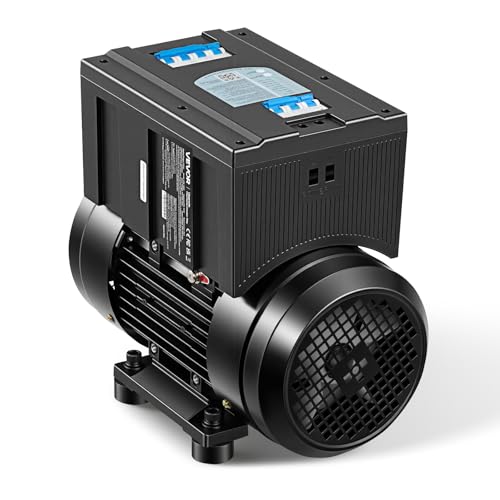
Brand: VEVOR. This rotary phase converter converts single-phase to 3-phase power for heavier loads. Best for workshops with multiple 3-phase machines or future expansion. It provides automatic load detection and real-time voltage monitoring for safer operation. Limitation: it is designed for expansion and may introduce initial setup considerations and space requirements.
Magnetic Electric Motor Starter – 7.5HP

Brand: Gas and Water. This 7.5 HP starter supports a higher current range (30-40A adjustable) at 220-240V and is suitable for heavier single-phase motors. Choose this for larger compressors, fans, or other high-demand equipment. A caution: verify that your motor’s current draw aligns with the adjustable amp rating to avoid nuisance trips.
Buying Guide: Choosing the Right 240V Single-Phase Motor Starter
- Horsepower and current draw: Match the starter’s amp rating to your motor’s full-load current. Undersized starters can trip or fail under load.
- Voltage and phase compatibility: Ensure the device is rated for 220–240V single-phase operation and that any optional three-phase configurations are avoided unless professionally configured.
- Protection features: Look for built-in overload protection and dust protection if used in workshop environments. Overload protection helps prevent motor burnout.
- Control type: Button switch vs. auto/reset functions affects ease of use in different settings. Manual reset can be safer in some environments; auto reset simplifies operation.
- Speed control options: If speed control is needed, consider a VFD (variable frequency drive) for precise torque and RPM management, rather than a basic mechanical starter.
- Environment and mounting: Open drip-proof designs are best for clean, dry spaces. For dusty or humid settings, prefer enclosures with protective ratings and proper mounting support.
- Expansion potential: Rotary converters are useful when you need three-phase power for multiple machines. Plan for future needs to maximize return on investment.
Frequently Asked Questions
- What is a 240V single-phase motor starter best used for? It is used to start and protect small to mid-sized motors in pumps, compressors, conveyors, and other single-phase equipment, with overload protection and simple on/off control.
- Can I run 3-phase equipment from a 240V single-phase supply? Generally no without a device like a rotary phase converter. A dedicated 3-phase supply or an RPC is needed for true 3-phase operation.
- What should I consider when choosing a VFD for single-phase motors? Look for a VFD that supports your motor HP, has a suitable input voltage (240V), and offers the required speed range and torque characteristics for your application.
- Is built-in overload protection always necessary? It is highly recommended to protect both the motor and starter components from overheating and overload conditions.
- How do I know if a starter is powerful enough? Compare the motor’s full-load current (A) to the starter’s amp rating. The starter should be rated for at least the motor’s full-load amps, with a small safety margin.
- Are these starters suitable for outdoor use? Most are designed for indoor workshop use. If you need outdoor capability, look for weatherproof enclosures and appropriate IP ratings.