Best 20 Amp Line Voltage Thermostat Options for 240V Heating Systems
Answering the need for a reliable 20 amp line voltage thermostat, this guide highlights top thermostats designed for electrical baseboards, fan heaters, and other 240V heating setups. Best fits: the Honeywell TL7235A1003 for simpler line-voltage control, Stelpro models for robust in-wall performance, Mysa for smart home integration, and Lux for programmable energy savings. The following picks emphasize reliability, ease of installation, and clear, actionable controls for both DIYers and more experienced installers.
Summary table of selected products:
- — 240V, non-programmable, simple digital control with backlight.
- — 22A, double-pole mechanical, precise dial, suitable for high-amp heating loads.
- — 120V-240V, WiFi, app scheduling, HomeKit/Alexa/Google compatibility.
- — 240V, single-pole mechanical, straightforward 50–90°F range.
- — 5-2 day programmable, 4 programs per day, clear LCD, line-voltage only.
Honeywell TL7235A1003 Line Volt Thermostat

Features include an On-Demand Backlight for readability in varying lighting, Soundproof Operation to reduce clicking noise, and a Heating Indicator that confirms when heat is on. Best for: renters or homeowners needing a straightforward, non-programmable 240V control with easy visibility. Caution: lacks programmable schedules, so it won’t automatically adjust temperatures throughout the day.
Legacy TH5 Line Voltage Thermostat Assembly

This 120V/15A thermostat is compatible with 120 VAC cords and supports heating or cooling configuration by wiring changes. Best for: older setups or projects where a simple 120V control is sufficient. Limitation: not designed for higher-amp 240V baseboard systems, so avoid this if your load exceeds 15A or requires 240V control.
Honeywell TL8230A1003 Electric Heat Digital Thermostat
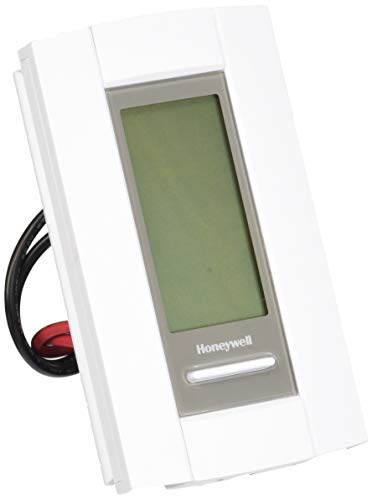
Offers seven-day programmability and electronic temperature control with precision, plus a quiet operation design. Best for: homes seeking weekly schedules to optimize energy savings, with the caveat that it’s a programmable model rather than a basic on/off switch. Choose this when you want consistent daily routines and energy efficiency.
Stelpro SWT1F Single Pole Line Voltage Thermostat

Mechanical 240V thermostat with a simple dial and a 50–90°F range. Best for: installations where a robust mechanical control is preferred and complete disconnection is not required. Limitation: single-pole design may still allow a small current to flow when off in some setups; consider double-pole SWT2F for full isolation if safety is a priority.
Lux ELV4 Line Voltage Programmable Thermostat

Programmable for 5-2 days with four program periods per day, designed for line-voltage heating. Best for: households wanting scheduled control for energy savings without smart home integration. Caution: Not compatible with mixed inductive loads or devices that combine resistive heating with fans.
Buying Guide
What should you consider when choosing a 20 amp line voltage thermostat?
- Load type and current rating: For baseboard heaters or electric heaters, ensure the thermostat supports at least 20A at 240V. A few models offer 22A or higher to cover higher loads.
- Control type: Non-programmable thermostats are simple to install and operate, while programmable or smart models provide energy savings through schedules and remote control.
- Pole configuration: Single-pole devices control heat on/off with a single hot line, while double-pole units fully disconnect the circuit for greater safety and energy efficiency.
- Smart features: If you want remote access or voice control, look for WiFi-enabled thermostats that work with HomeKit, Alexa, or Google Assistant.
- Compatibility: Check compatibility with your current wiring, voltage (120V vs 240V), and whether the load is inductive or purely resistive to avoid device failures.
- Installation environment: Mechanical dial models are straightforward for DIY installation, whereas programmable or smart models may require more wiring knowledge or professional assistance.
FAQ
- What does a line voltage thermostat do? It directly controls electrical resistance heating devices, such as baseboard heaters, by switching the circuit on or off at the line voltage level.
- Do I need a double-pole thermostat for safety? Double-pole units disconnect both hot lines, offering greater safety and complete circuit isolation, which is important in some installations or in cold climates.
- Can I use a 120V thermostat on a 240V baseboard heater? No. Devices rated for 120V are not suitable for 240V loads and can fail or pose safety risks. Use a model rated for 240V when your load is 240V.
- Are smart line voltage thermostats compatible with HomeKit or Alexa? Some models support smart ecosystems; verify compatibility in product specifications before purchase.
- Do programmable line voltage thermostats save energy? Yes, by scheduling temperatures to match occupancy patterns, reducing unnecessary heating when no one is home.
- Is professional wiring required? Some installations are straightforward for handy homeowners, but others involve complex wiring or electrical code considerations. When in doubt, consult a licensed electrician.