Best 2 AWG Inverter Cables for Auto, Solar and Marine Setups
When choosing 2 AWG inverter cables, look for pure copper conductors, durable insulation, and ends that fit your lugs. This guide highlights 5 cables that balance flexibility, heat resistance, and corrosion protection for automotive, solar, and marine uses. The top picks are suited for buyers needing robust, easy-to-install power leads, including battery-to-inverter connections and heavy-duty power distribution. Each product section explains who it’s best for and why it was selected, with practical cautions to consider. A quick summary table follows to help compare core specs at a glance.
| Product | Length | Material | Best For |
|---|---|---|---|
| Shirbly 2 Gauge Battery Cable | 10 ft + 10 ft (Red & Black) | Pure Copper (OFC) with EPDM | |
| A ABIGAIL 2 AWG Cable (1FT) | 1 ft | Pure Copper with tinned lugs | |
| SUNNAREPOON 2 Gauge (12 Ft) | 12 ft | Copper Clad Aluminum core, PVC insulation | |
| WindyNation Power-Flex 2 AWG | 20 ft per leg (Red/Black) | Fully annealed pure copper, EPDM insulation | |
| KEDAKEJI 2 AWG (2FT) | 2 ft | Pure copper, PVC insulation |
Shirbly 2 Gauge Battery Cable, 10FT Red + 10FT Black

This cable set uses fully annealed OFC copper with a robust EPDM insulation. It is rated up to 600 volts and handles wide temperature ranges (-58°F to +221°F). The insulation is designed for outdoor and marine environments, offering moisture, chemical, and abrasion resistance. Best for: buyers needing a reliable dual-run kit for vehicles, solar systems, and generators where both positive and negative leads are required. Caution: ensure connectors and lugs match your inverter stud sizes; the set lists specific lug options in product details.
A ABIGAIL 2 AWG Battery Cable (1FT)

These cables feature pure copper with tinned copper lugs for improved corrosion resistance and conductivity. The jacket is a flexible, flame-retardant PVC that resists abrasion and moisture, with heat-shrink insulation on the ends. Best for: compact installations where space is limited or where you want strong oxidation resistance and easy crimped ends. Caution: being 1 ft long, this option is best for short runs; plan accordingly to avoid extra splices.
SUNNAREPOON 2 Gauge Battery Cable (12 Feet)

This 2 AWG option uses a Copper Clad Aluminum (CCA) core with durable PVC insulation. It’s a practical choice for those prioritizing cost savings and lighter weight across longer runs. Best for: budget-conscious installs where weight matters and voltage requirements are modest. Caution: CCA conductors can have slightly higher resistance than pure copper, which may be relevant for high-demand applications.
WindyNation 2 Gauge Battery Cable (20 ft per leg)
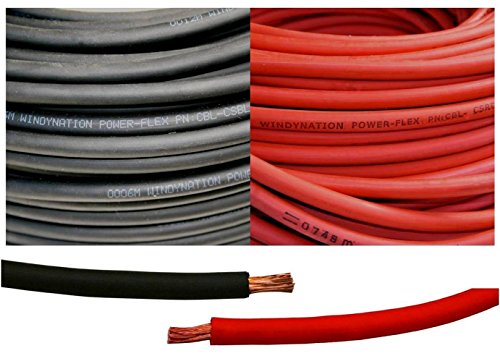
WindyNation emphasizes full copper with a flexible, solvent-resistant EPDM jacket and a detailed specification chart. It complies with SAE J1127 and offers long lengths per leg, making it suitable for vehicles, RVs, and solar setups requiring extended runs. Best for: buyers who want a reliable, fully copper option with clear technical specs and a wide length range. Caution: verify the exact voltage and amperage rating for your inverter to prevent overloading the cable.
KEDAKEJI 2 AWG Battery Cable (2FT)

This compact kit includes two pre-crimped 5/16″ lugs on both ends and a PVC insulating jacket designed to withstand oil, salt water, humidity, and heat. Best for: quick-installs in smaller electrical systems or tight spaces where pre-attached lugs speed setup. Caution: the 2 ft length means you’ll need to verify clearances and routing to avoid tension or kinks in the run.
A ABIGAIL 2 AWG Battery Cable (2FT)

A second ABIGAIL entry offers pure copper with tinned lugs and a durable PVC jacket, similar to the 1 ft option but with a longer run. Best for: setups where you need a reliable length between components while keeping corrosion resistance high. Caution: ensure lug compatibility with your inverter hardware; verify stud size before purchase.
KEDAKEJI 2 AWG Battery Cable (7FT)

This option includes 7 ft cables per leg with pre-attached 5/16″ lugs and a jacket designed to resist oil, salt water, and heat. Best for: longer runs in trucks, boats, or solar installations where a single continuous lead reduces the need for splices. Caution: longer runs can introduce more voltage drop; ensure the system’s amperage aligns with the cable’s specification.
Buying Guide: Key Purchase Considerations
- Conductor material: Pure copper offers the best conductivity and durability; copper-clad aluminum saves weight and cost but may have higher resistance.
- Insulation and jacket: Look for EPDM or high-grade PVC insulation for heat, moisture, oil, and chemical resistance, especially in outdoor or marine environments.
- Voltage and amperage ratings: Confirm the cable’s maximum voltage and operating ampacity align with your inverter and battery bank requirements.
- Lug type and length: Ensure lugs match your inverter studs (e.g., 5/16″ or M10) and that the length fits your layout without excessive tension.
- Flexibility and bend radius: Fully annealed copper improves flexibility, aiding easy routing in tight spaces or through conduits.
- Weight and run length: Copper-clad aluminum can reduce weight and cost but may introduce higher resistance; cross-check with system design.
- Durability for environment: For marine or outdoor installations, prioritize corrosion resistance and moisture-proof insulation.
FAQ
- What does 2 AWG mean for inverter cables? It denotes the cross-sectional area of the conductor, affecting current capacity and voltage drop.
- Are copper-only cables better than copper-clad aluminum? Generally yes for conductivity and durability, though copper-clad aluminum is lighter and cheaper.
- How long should a battery-to-inverter cable be? Choose a length that minimizes voltage drop while avoiding excess slack that could snag or flex.
- Can I mix brands for a single install? It’s best to match conductor size, lug type, and insulation quality across cables to ensure uniform performance.
- What safety considerations exist for high-current cables? Always use correctly rated lugs, secure connections, and route cables away from heat sources and sharp edges.
- Do these cables support marine use? Many options feature moisture and corrosion resistance, but verify saltwater exposure suitability with the manufacturer.