Best 12V Wind Turbine Generator Options for Home Power
If you need a 12V wind turbine generator, these top picks offer solid 12V outputs, efficient MPPT control, and durable construction for homes, RVs, farms, and boats. The list favors models with clear 12V systems, practical start-up wind speeds, and reliable performance in moderate to strong winds. Ideal buyers include off-grid homeowners, rural property owners, campers, and remote workers seeking renewable energy.
| Product | Best For | Key Benefit |
|---|---|---|
| VEVOR 800W Wind Turbine Generator | Homes, Farms, Boats | High efficiency with MPPT control |
| VEVOR 12V-500W Wind Turbine Kit | RVs, Tiny Homes | Compact, quiet operation |
| pofluany 800W Horizontal Wind Turbine | Residential/Boats | Low wind start and robust build |
| 3000W Vertical Axis Wind Turbine Kit | Off-grid Installations | High power potential, 12V/24V options |
| Pikasola 400W 12V Wind Turbine | Cottages, Cabins | Low wind start, durable blades |
VEVOR 800W Wind Turbine Generator

Best for: Home, farm, RVs, and boats needing robust wind power with a 12V system. This unit delivers up to 800W output and uses an MPPT controller to optimize charging across varying wind conditions. It starts at 2.5 m/s and reaches higher efficiency as wind increases, suitable for areas with consistent breezes. The three-phase PM synchronous generator reduces noise to about 58dB and extends service life.
Why selected: The combination of high power and smart MPPT control helps maximize energy capture in typical rural and coastal winds. The 12V system is straightforward for common battery banks. A caution: tower pole is not included, so plan mounting and structure accordingly.
VEVOR 12V-500W Wind Turbine Kit

Best for: RVs, small homes, and boats needing compact, reliable wind power. This kit outputs 500W and uses a 12V three-phase PM synchronous generator with MPPT control for efficiency. Operating noise is kept relatively low at about 55dB, and it supports a wide wind range up to 25 m/s. A caution: ensure adequate mounting and electrical connections for your battery system.
pofluany 800W Horizontal Wind Turbine

Best for: Residential setups and small off-grid systems requiring low wind start and stable, quiet operation. The 800W unit features a low 1.0 m/s start wind speed and a 6-blade aerodynamic design for smoother rotation. It includes a built-in controller and protections to help manage peak conditions. A caution: ensure your site can accommodate the 1-meter class turbine height and mounting requirements.
3000W Vertical Axis Wind Turbine Kit
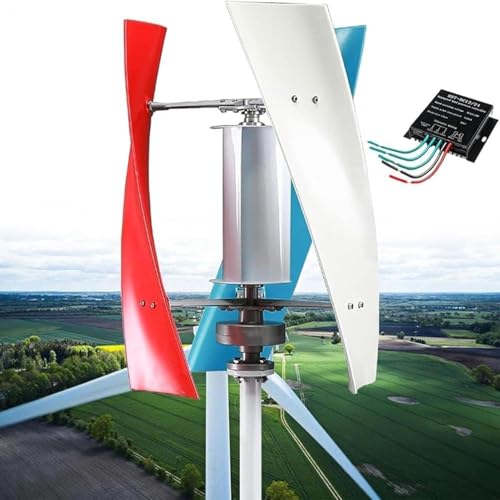
Best for: Off-grid homes or cabins where higher power output is needed. This vertical-axis turbine offers a substantial power ceiling and supports a 12V/24V system with a Maglev-style controller. The three-leaf design and coreless PMG aim to reduce start torque and improve longevity. A caution: vertical-axis designs can have different wind patterns; ensure proper placement and clearance for optimal capture.
Pikasola 400W 12V Wind Turbine
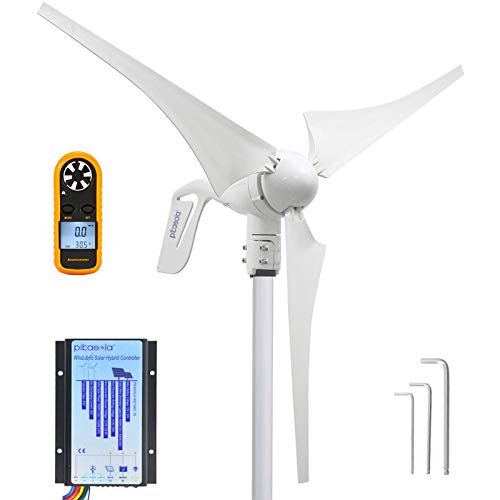
Best for: Small cabins, boats, or weekend cottages needing a compact 12V wind solution. The 400W unit uses a three-phase PM synchronous motor and nylon blade materials to balance performance and durability. It starts at low wind speeds and includes a simple control setup for battery charging. A caution: lower power capacity means longer time to charge larger battery banks during calm days.
Buying Guide — Key Purchase Considerations
- System voltage and compatibility: Ensure the turbine’s output matches your battery bank (commonly 12V or 24V). MPPT controllers improve charging efficiency across wind ranges.
- Startup wind speed and wind range: Lower start speeds capture energy earlier, but higher rated speeds maximize full output in gusty conditions.
- Blade design and durability: Nylon or FRP blades balance weight, strength, and weather resistance. Multi-blade designs can improve low-wind performance.
- Noise and vibration: Off-grid and residential use benefits from quieter operation and stable bearings.
- Mounting and space: Check tower pole requirements, mounting clearance, and structural support for your location.
- Controller features: MPPT vs PWM, automatic cut-off, load handling, and protection against surges or lightning.
- Durability: Look for corrosion-resistant housings, weatherproof seals, and wide operating temperature ranges for outdoor placement.
- Wind site assessment: Realistic wind speeds, average gusts, and surrounding obstructions influence which model performs best.
Frequently Asked Questions
- What size wind turbine do I need for a 12V system?
Answer: Choose a turbine that matches your average wind speed and target output. Units in the 400–800W range are common for small off-grid setups, while higher outputs (like 3,000W vertical designs) are suited for larger or multiple-battery configurations. - Do all 12V wind turbines require a tower?
Answer: Most horizontal-axis turbines require a mounting tower or pole. Some compact models are designed for rooftop or ground-level installations but still need secure mounting and safety clearances. - What is MPPT and why is it important?
Answer: MPPT, or Maximum Power Point Tracking, adjusts the electrical load to harvest maximum energy as wind conditions change, improving charging efficiency for battery banks. - Can wind turbines operate in coastal environments?
Answer: Yes, many models include corrosion-resistant housings and durable blades to handle salt air and higher humidity. Confirm IP ratings and maintenance guidelines for your location. - Is maintenance difficult for wind turbines?
Answer: Routine checks include blade inspection, bearing lubrication if required, and inspecting electrical connections. Follow manufacturer guidelines for servicing intervals. - What safety considerations exist for wind turbines?
Answer: Ensure proper electrical isolation during storms, secure mounting, and compliance with local regulations. Proper lightning protection and fuse or breaker protection are recommended.