Best 12V DC to 110V AC Inverter: Top Car Inverters for On‑The‑Go Power
Finding a reliable 12V DC to 110V AC inverter is essential for keeping laptops, cameras, and other devices powered during road trips, camping, or off‑grid adventures. This guide highlights five top options, comparing output power, USB charging, portability, and protective features. Each product is analyzed from a practical perspective to help American buyers choose a model that fits their vehicle and energy needs.
Summary of Selected Products
| Product | Brand | Power (W) | Key Features |
|---|---|---|---|
| BESTEK Power Inverter DC 12V to AC 110V | BESTEK | 300 | 2 AC outlets, 2 USB ports, 11-17V compatibility |
| Cantonape 3000W Power Inverter | Cantonape | 3000 | 4 AC outlets, 4 USB ports, LCD display, remote controller |
| BELTTT 1000W Pure Sine Wave | BELTTT | 1000 | Pure sine wave, LCD display, high efficiency |
| Pro Chaser 400W Power Inverter | Pro Chaser | 400 | Dual 110V sockets, 4.8A USB ports, portable |
| FOVAL 150W Car Power Inverter | FOVAL | 150 | Two USB ports, compact, lightweight |
BESTEK Power Inverter 12V To 110V 300W Car Charger

The BESTEK inverter delivers 300 watts of continuous DC to AC power and 700 watts peak, with two 110V outlets and two USB ports. It is designed for vehicles and uses an aluminum housing for durability. The unit is compatible with a wide range of 11–17V input, making it adaptable for different car electrical systems, including some electric-vehicle contexts. It is positioned as a portable, road‑trip essential with a compact form factor that fits in a glove box or center console.
PiSFAU 200W Car Power Inverter With USB‑C and Quick Charging

This 200W inverter provides two AC outlets and multiple USB ports, including a USB‑C port. It emphasizes quiet operation and high efficiency through improved heat dissipation. The compact design mirrors a typical car charger size, making it easy to carry and stash away when not in use. It is suitable for charging laptops, tablets, and other USB‑enabled devices while on the move.
Pro Chaser 400W Power Inverter For Vehicles

The Pro Chaser model offers 400W continuous power with a peak of 800W, dual 110V outlets, and two USB ports (3.1A). It is designed for travel and family use, capable of powering laptops, DVD players, breast pumps, or small appliances during road trips. A 30‑inch cord provides flexible placement inside a vehicle, enabling easier access for passengers without crowding the dashboard area.
Cantonape 3000W Inverter With LCD And Remote

The Cantonape unit provides 3000W continuous power with 6000W surge, four AC outlets, and four USB ports. Its LCD display shows input/output voltage, battery status, load, and frequency. It includes a remote controller for easy operation from a distance. This model targets heavy users needing high power for multiple devices in RVs, boats, or off‑grid setups and emphasizes high efficiency and status visibility for troubleshooting.
FOVAL 150W Car Power Inverter With USB Ports
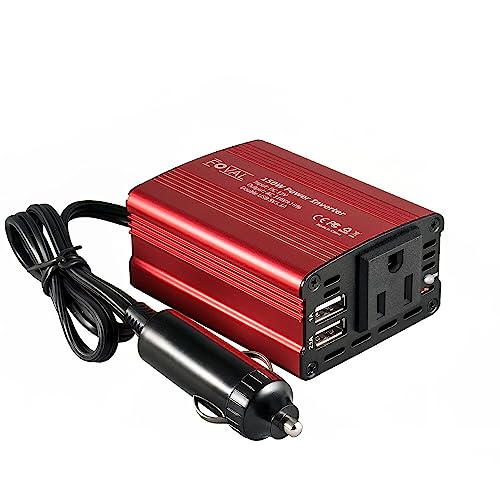
The FOVAL model delivers 150W continuous power with two USB ports and one AC outlet, offering a compact, credit‑card‑sized footprint. Its aluminum shell design adds durability for on‑the‑go charging, making it suitable for small devices like tablets, CPAPs with modest power needs, and other USB‑enabled gadgets during short trips or daily commutes.
Buying Guide: Key Purchase Considerations
- Power needs: Match continuous wattage and surge capacity to your devices. Laptops and coffee makers may require higher continuous watts, while chargers and small gadgets need less.
- Pure sine wave vs. modified sine wave: Pure sine wave inverters are gentler on sensitive electronics (CPAP machines, laptops, TVs). For basic devices, modified sine wave can be acceptable and more affordable.
- Ports and outlets: Consider the number of AC outlets and USB ports, plus the presence of USB‑C where needed. Some models include remote control for easier operation in passengers’ reach.
- Protection features: Look for over‑load, short‑circuit, overheating, and low/high voltage protections. Auto shut‑off helps prevent battery damage and device impairment.
- Portability and cable length: A compact form factor and longer DC input cables improve placement flexibility in smaller vehicles and larger RVs alike.
- Durability and build: Aluminum housings and robust connectors extend life in hot vehicles or off‑grid environments.
- Installation considerations: Some units are plug‑and‑play into the cigarette lighter, while higher‑power models may need a direct battery connection or additional accessories.
- Vehicle compatibility: Ensure input voltage range covers your vehicle’s electrical system, especially for hybrids or EVs with robust electrical loads.
When selecting an inverter, balance your anticipated load with the inverter’s continuous power rating and peak surge. For multi‑device setups, a model with multiple outlets and USB ports reduces the need for power strips. For sensitive electronics, prioritize pure sine wave output. Finally, verify any included accessories such as remote controls or mounting kits to maximize convenience and safety during travel.