Best 120 Volt Programmable Thermostats for Efficient Electric Heating
Looking for a 120-volt programmable thermostat to manage electric baseboards, radiant floor heat, or underfloor mats? This guide highlights five reliable options that suit different heating setups. Each product is selected for clarity, ease of use, and energy-saving potential. Ideal buyers include homeowners upgrading simple line-voltage controls, renters with electric heat restrictions, and anyone seeking smart or manual control without a hub. The quick comparison table below helps you pick the right model at a glance.
| Product | Best For |
|---|---|
| Lux ELV4 Line Voltage Programmable | Simple 5-2 day scheduling, basic line-voltage control |
| Honeywell Home RLV4305A1000 | Electric baseboards, precise temperature with quiet operation |
| BOWSEN Programmable Thermostat for Radiant Floor | Underfloor radiant heating with dual sensing and GFCI |
| Mysa Smart Thermostat Lite | WiFi-enabled, remote control, and smart home voice assistants |
| QuietWarmth THERMPRO | 7-day programmable with built-in GFCI for radiant heat |
The following sections detail each product. Where helpful, each entry notes who the product is best for, why it was selected, and a practical limitation to consider.
Lux ELV4 Line Voltage Programmable Thermostat

The Lux ELV4 offers 4 program periods per day and an easy-to-read on-screen setup. It is best for buyers who want straightforward 5-2 day scheduling for simple line-voltage heating systems. It’s UL approved, adding a basic level of safety and reliability. A key limitation is that it cannot power appliances with both electric heating elements and inductive loads like fans, which limits compatibility with some mixed systems.
Honeywell Home RLV4305A1000 5-2 Day Thermostat

Honeywell’s model is well suited for electric baseboards, convectors, and fan-forced heaters. It emphasizes precision with an accuracy around ±0.27 degrees Fahrenheit and offers quiet, TRIAC-based switching for stable temperature control and minimal swings. This is a solid choice for spaces where silent operation and accurate temperature management matter. A potential limitation is that it targets baseboard and convector setups, so compatibility with other 120V heating methods should be confirmed.
BOWSEN Programmable Thermostat for Radiant Underfloor Heating
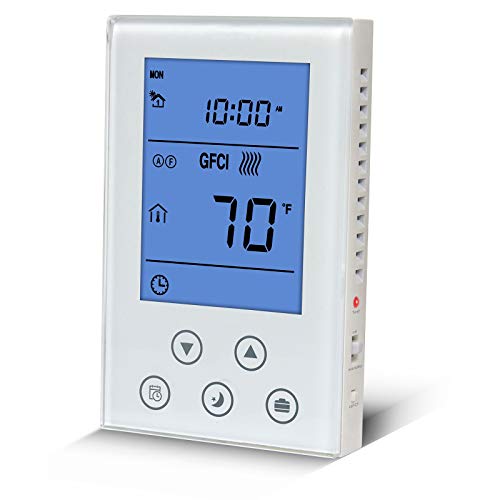
This thermostat is designed for radiant underfloor heating and supports both 120V and 240V systems. It includes dual sensors (air and floor) and built-in GFCI protection, aligning with safety-first installations. It’s best for owners of radiant floor systems who need precise floor and ambient temperature control, plus safety features. A caveat is the complexity of setup and the need to verify GFCI testing aligns with local electrical codes.
Mysa Smart Thermostat Lite
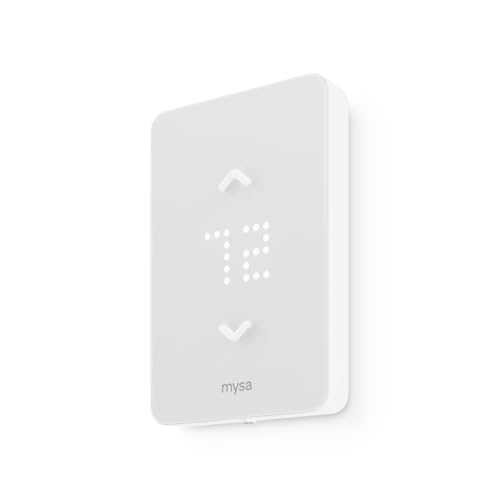
Mysa Lite brings WiFi connectivity and smart home integration to electric baseboard systems. It supports 7-day scheduling and remote control via a mobile app, with compatibility for Apple HomeKit, Alexa, and Google Assistant. It’s an excellent choice for buyers who want remote access, voice control, and energy-saving schedules. A limitation is that some advanced features may require consistent internet access and account management for cloud services.
Honeywell TH114-A-120S Manual Line-Voltage Thermostat

Honeywell’s manual line-voltage option targets straightforward control with basic temperature adjustment. It is a reliable choice for users who prefer hands-on adjustment without programming. The lack of digital scheduling means fewer automation features for energy savings, but it provides robust, simple operation for single-zone electric heating systems. Consider if you want a no-frills, durable control.
MAXKOSKO WiFi Smart Thermostat for Floor Heating

MAXKOSKO’s thermostat focuses on floor heating control across 120V/240V systems with WiFi connectivity and voice assistant compatibility. It emphasizes remote control and energy management, making it suitable for homes with underfloor heating and a desire for smart scheduling. A potential limitation is that some users may require a robust home network for reliable remote access and real-time updates.
QuietWarmth THERMPRO 7-Day Programmable

QuietWarmth’s THERMPRO offers a 7-day programmable schedule with built-in GFCI protection, suitable for radiant heat systems operating at 120V or 240V. It’s best for owners prioritizing safety and extended scheduling flexibility. A limitation to note is that programming and sensor placement must be considered carefully to avoid nuisance tripping or inaccurate readings in complex rooms.
Buying Guide
What should you consider before choosing a 120V programmable thermostat?
Compatibility with your heating type—baseboard, radiant floor, or fan-assisted systems—drives selection. Check whether the thermostat supports single or dual voltage (120V or 240V) and the required amperage for your load. For radiant floor or underfloor systems, dual sensors (air and floor) can improve comfort accuracy. Safety features like built-in GFCI are important for wet or high-traffic areas.
Do you want smart features or simple control?
Smart thermostats offer remote scheduling, app control, and voice assistant compatibility, which can enhance convenience and energy savings. Manual thermostats provide durable, straightforward operation without network dependencies. If you value automation and remote access, consider models with WiFi and cloud-based control.
How does energy saving work with these devices?
Most programmable thermostats allow time-based scheduling to reduce heating when you’re away or sleeping. Look for 7- or 5-2 day programming, precise temperature control, and clear override options. For radiant systems, floor or ambient sensors can help prevent overheating or cold spots.
Safety and installation considerations
GFCI protection adds safety against ground faults, especially in bathrooms or kitchens. Ensure the device is rated for your circuit’s amperage and voltage. If you’re unsure about wiring, consult a licensed electrician. Some models include setup tests or prompts to verify proper operation after installation.
Summary of selection criteria
- Target heating type: baseboard, radiant floor, or mat systems
- Voltage compatibility: 120V or 240V, or both
- Programming features: 5-2 day vs. 7-day, ease of use
- Smart features: app access, voice control, remote scheduling
- Safety: GFCI and surge protection considerations
Frequently Asked Questions
- What is a 120-volt programmable thermostat used for?
It controls electric heating systems that operate on 120V, such as baseboard heaters and radiant floor mats, by scheduling temperature changes to save energy and improve comfort.
- Do all 120V thermostats work with radiant floor heating?
No. Some are designed for baseboards or convection heaters, while others support radiant or dual-sensing systems. Verify compatibility with your exact setup.
- Is a built-in GFCI necessary for wall thermostats?
GFCI protection enhances safety in certain installations. It’s particularly useful for bathrooms, kitchens, or outdoor areas where moisture is present.
- Are smart thermostats worth the extra cost?
Smart models offer remote control and flexible scheduling, which can lead to meaningful energy savings and convenience for homes with variable routines.
- Can I install these thermostats myself?
Basic line-voltage thermostats may be possible for skilled DIYers. For electric heating systems and high-risk wiring, professional installation is advised.