Best 12 Volt Roof Vent Fan Options for RVs and Trailers
When choosing a 12V roof vent fan, consider airflow capability, noise level, ease of control, and resilience to weather. This guide highlights five top options, each suited to different RV lifestyles—from frequent travelers and full-time campers to casual weekend enthusiasts. Whether you want a remote-controlled unit, a budget-friendly manual model, or a rain-friendly design, the right vent can improve comfort on hot days and help manage odors inside your space.
Summary of selected products
- OUTPRIZE Upgraded Remote Control RV Roof Vent Fan (12V, 14″, Rain Sensor, 10-Speed, Reversible) — Best for: remote operation and versatile temperature control.
- Kohree 14″ RV Vent Fan (12V, 10-speed, remote, temperature & rain sensor) — Best for: smart sensing and low-noise operation.
- RVMATE 14×14 Universal RV Roof Vent Fan (12V, remote, reversible, 6″ blades) — Best for: universal fit and flexible airflow control.
- Ventline RV Roof Vent White with 12 Volt Fan — Best for: simple, durable, budget-friendly installation.
- hurrventer Built-in Rain Shield RV Roof Fan (NO REMOTE, 10 Speed, 14″) — Best for: rain-ready, fully enclosed operation.
Buying at a glance: the following table outlines core attributes to compare quickly. (All details are based on listed features and standard 14×14 inch openings.)
| Product | Control Type | Airflow Range | Special Features | Best For |
|---|---|---|---|---|
| OUTPRIZE Remote Upgraded | Remote | 400–1300 CFM | Rain sensor, auto-off | Remote convenience and varied ventilation |
| Kohree 14″ RV Vent | Remote | Up to 934 CFM | Temperature sensor, mosquito screen | Smart sensing and quiet operation |
| RVMATE 14×14 Universal | Remote | Varies by model | Leak-proof design, universal fit | Easy replacement and universal installation |
| Ventline 12V Roof Vent | Manual | Not specified | Putty and screws included | Budget-friendly, straightforward install |
| hurrventer Rain Shield | Manual | 10-speed | 100% waterproof, rain-ready | Rainy-day use with lid closed |
Outprize Upgraded Remote RV Roof Vent Fan
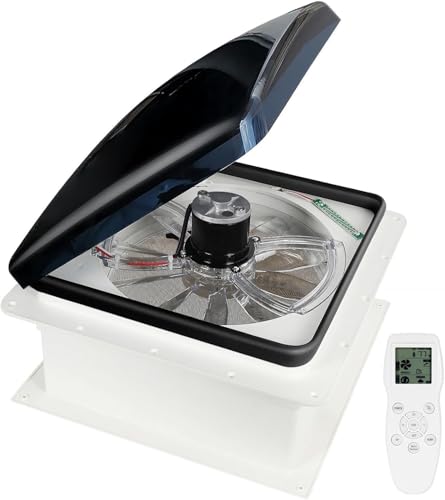
Best for: RV owners who value remote control and flexible airflow. This 14×14 inch vent fits most standard openings and includes a rain sensor plus an auto-off feature when the lid closes. It offers 10 speeds and both air-in and air-out modes, giving precise control whether parked or cruising. The remote makes operation easy when the ceiling is hard to reach, such as in bunks or loft areas.
What sets it apart: the remote control adds convenience in hard-to-reach spots, while the rain sensor helps protect interior spaces during sudden showers. The 10-speed range supports a wide spectrum of ventilation needs, from quiet cooling to rapid exhaust.
Who should avoid or consider alternatives: if you prefer manual control without remotes, or if you’re working within a very tight roof opening, another model with easier installation or fewer components may be preferable.
Ventline RV Roof Vent White 12 Volt
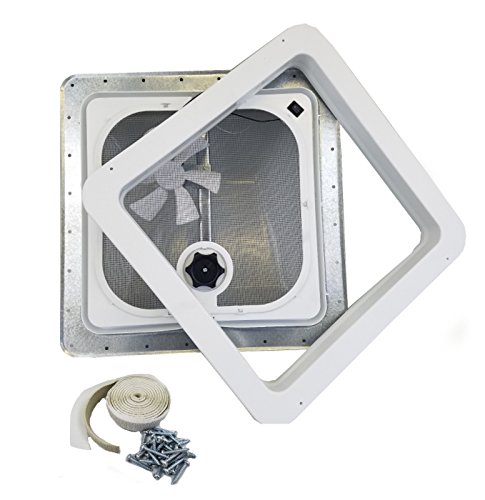
Best for: users seeking a simple, durable, no-frills option. This Ventline model features a white wedge-shaped lid and a standard 12V DC fan, designed to fit a 14.25″ x 14.25″ opening. It’s a reliable choice for straightforward ventilation without extra features or smart sensors.
Why it was selected: its straightforward design and ready-to-install approach make it ideal for budget-conscious buyers or replacement projects where existing mounting hardware is compatible.
Limitations: data on speed range is not specified here, so match with your system’s airflow needs and power availability before purchase.
RVMATE 14×14 Universal RV Roof Vent Fan

Best for: RV owners seeking a universal, easy-install option with reversible airflow. This model is designed to fit standard 14×14 openings and is described as leak-resistant with a one-piece frame. It includes putty tape for a weather-tight seal and is compatible with a range of roof thicknesses.
Why it’s chosen: its emphasis on durability and leak protection helps prevent interior water damage, making it a solid choice for longer trips or areas with variable weather.
Limitation: some installations may require additional sealant or mounting tweaks; verify roof thickness compatibility for your specific RV model before purchase.
Kohree 14″ RV Vent Fan 10 Speed

Best for: buyers who want strong airflow with quiet operation and built-in sensing. The Kohree vent offers 934 CFM capacity and a temperature sensor that automatically adjusts fan speed. Its 10 speeds and low power usage (around 25W in high mode) make it efficient for longer camping trips.
What stands out: the temperature sensor helps maintain indoor comfort with minimal user intervention, while the removable screen helps with maintenance and insect protection.
Note: ensure the 14″ x 14″ opening on your RV aligns with Kohree’s mounting and wiring requirements if you are upgrading from an older vent.
RVMATE 14×14 Universal Manual Vent Fan

Best for: buyers who want a straightforward manual control option with a reliable, leak-resistant design. This model provides a reversible airflow function and is designed for standard 14×14 openings, making it a practical replacement for aging vents.
Why this model may suit you: manual operation offers immediate control without relying on a remote, which can be beneficial when the vent is easily accessible and you prefer a simple setup.
Limitation: lacks remote control and advanced sensors, so you’ll rely on direct interaction with the unit for changes in airflow.
Buying Guide: Key Considerations for 12V Roof Vent Fans
- Opening size and fit: Most RV vents use a 14×14 inch standard; verify your roof opening and thickness (1.9″–7.0″ range is common) before choosing a model to avoid gaps or mounting issues.
- Control type: Remote control offers convenience for hard-to-reach fans, while manual control saves complexity and cost. Consider your comfort with electronics and how often you’ll adjust airflow.
- Airflow capacity: Look for CFM ratings in both air-in and air-out modes. Higher CFM is better for hot climates or larger spaces, but can be noisier.
- Noise level: For a comfortable RV interior, prioritize models known for quieter operation, especially if you spend long hours inside or sleep near the vent.
- Weather sealing and durability: Choose units with leak-resistant frames, UV-resistant plastics, and rain shields or sensors to protect against moisture and sun exposure.
- Additional features: Temperature sensors, rain sensors, and auto-off functions help automate comfort and protect interior spaces during rain and heat.
- Installation considerations: Some units come with putty tape, screws, and mounting hardware. Confirm compatibility with your roof structure and whether any trimming or garnish modification is needed.
FAQ
- What size vent opening should I choose for a 12V RV vent?
Most RV vents are designed for a 14×14 inch opening; verify your exact opening and thickness to ensure a proper fit. - Is remote control necessary for a roof vent fan?
No; remote control is convenient but not required. Manual models can be more cost-effective and simpler to install. - Which airflow rating should I look for?
CFM guidance depends on space size and climate. Higher CFM is better for hot climates, but consider noise and power use. - Do all roof vents seal well against rain?
Leak resistance varies by model. Look for rain shields, leak-proof frames, and weather-tested designs, especially if you RV in rainy regions. - Can I install a 12V vent myself?
Yes, many models are designed for easy installation with included putty tape and mounting hardware, though some setups may require basic tools and careful sealing. - What maintenance is recommended?
Regularly inspect seals, clean screens, and check for fan blade obstruction to maintain efficiency and prevent noise.