Best 110V to 12V Converters for RVs, Cars, and Home Use
When you need to power 12V devices from a 110V or 120V AC source, a reliable AC-to-DC converter is essential. This guide reviews five top 110V-to-12V converters, highlighting capacity, safety features, and practical applications for RVs, cars, and home electronics. Each option supports a range of loads, includes built-in protections, and offers straightforward installation. Use this overview to compare peak versus continuous power, input compatibility, and wiring needs before making a purchase.
Summary of selected products
- <strongYaheeda New Version Converter — 600W peak, 50A peak, aluminum shell, dual connection methods
- <strongIMAYCC New Version Converter — 600W peak, 50A peak, copper clamps, robust enclosure
- <strongAstroAI AC to DC Converter — 120W, 10A, long 7.78 ft cable, car-style reliability
- <strongALITOVE AC to DC Converter (10A) — 120W, 8 ft cord, multiple protections
- <strongAletbo 15A Converter — 180W, safety protections, wide device compatibility
Yaheeda 600W Peak DC Converter for 12V Devices

The Yaheeda converter is designed to power 12V loads from AC mains, with a 600W peak and up to 50A peak current. It supports input ranges of 110V or 220V (with wide tolerance) and offers an automatic overload cut-off, voltage cut-off, thermal protection, and short-circuit protection. Its aluminum shell aids heat dissipation, and it includes a built-in EMI filter for cleaner output. Recommended for devices under 40A (480W) for steady operation, with higher peak allowances for transient loads such as motors.
IMAYCC 600W Peak 12V DC Converter

The IMAYCC version mirrors a 600W peak output with a 50A peak, suitable for powering 12V devices like pumps and heaters from AC mains. It includes two copper clamps and wiring for straightforward hookup, plus an on/off switch for safe operation. The housing is aluminum alloy, and the terminals are copper-nickel plated to improve conductivity and efficiency. The unit focuses on ease of installation and reliable performance for 12V systems requiring robust startup current.
AstroAI 120W AC To DC Converter

AstroAI offers a compact 120W converter capable of delivering 12V DC from 110–240V AC with a 7.78-foot cord. It emphasizes safety with protections against overcharging, short circuits, over-powering, over-current, overheating, over-discharge, and over-voltage. The unit is positioned for portable use with car accessories, inflators, refrigerators, dash cams, and other 12V devices connected to household outlets.
ALITOVE 120W 12V DC Car and Home Converter
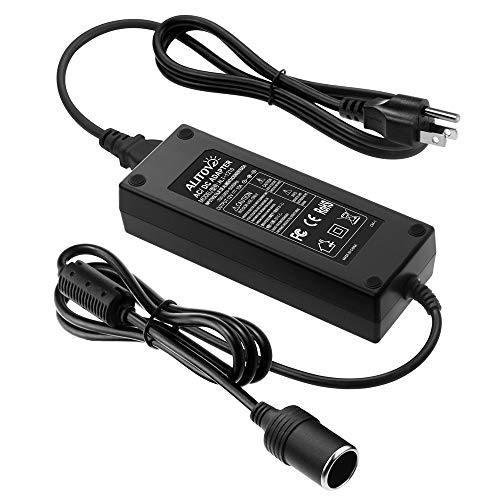
ALITOVE’s 110–120V to 12V DC converter provides 10A (120W) with an 8-foot cord. It includes multiple safety protections such as overload, over-voltage, over-temperature, and short-circuit cut-offs. The device is compatible with a wide range of 12V electronics, including car-related appliances and compact home devices. It’s designed for steady operation with a focus on reliability and easy installation via cigarette-lighter-type connections or direct wiring.
Aletbo 180W 12V DC Converter

The Aletbo converter offers 12V at up to 15A (180W) with input 100–240V and protection against overvoltage, overcurrent, overtemperature, and short circuits. It’s designed for vehicle-use devices like refrigerators, tire inflators, vacuums, and 12V coolers. Automatic shut-off on fault conditions helps prevent damage to connected equipment while allowing easy integration into existing 12V systems.
Buying Guide
Key purchase considerations help ensure you pick a converter that fits your load and installation needs. Consider the following perspectives:
- Power capacity: Compare continuous output (watts) and peak power to cover startup surges for motors or compressors. A higher peak often supports brief motor starts, while continuous rating matters for running devices like refrigerators or fans.
- Input tolerance: Look for devices that tolerate common household mains ranges (110–120V and 220–240V). Wide input tolerance reduces risk in areas with voltage fluctuation.
- Safety protections: Prioritize products with overload, short-circuit, overvoltage, and thermal protections. Auto shut-off features help protect both converter and connected devices.
- Connector options: Evaluate included clamps or cords. Longer cords or cigarette-lighter-style connections simplify installation in vehicles or temporary setups.
- Heat management: Aluminum housings and effective heat dissipation extend life when running near limits. Consider enclosure design if mounting in tight spaces.
- Application fit: Match the device’s constant load against the converter’s continuous rating. For motor-driven loads, plan for higher peak capability as needed.
- Reliability and reviews: Check user feedback for real-world performance, noise, and durability. Look for burn-in or quality-control notes from manufacturers.
When wiring, observe polarity and ensure secure connections to avoid voltage drops or hazards. If you’re powering high-draw devices, use a converter with a generous peak rating and robust protection features. For portable or intermittent use, prioritize units with longer cords and easy access to on/off switches. Always follow manufacturer installation instructions and consult an electrician if you’re unsure about wiring in your vehicle or home setup.