Best 10 kWh Solar Battery Solutions for Home and Off-Grid
As households seek reliable, foldable energy storage, a 10 kWh solar battery often sits at the center of an off-grid or backup power setup. The following selections emphasize capacity, safety, and long life, with LiFePO4 chemistry and smart BMS features that help protect your investment. Each option supports substantial daily use, easy monitoring, and compatibility with common solar inverters.
Summary of chosen products
| Product | Brand | Capacity | Key Feature |
|---|---|---|---|
| CYCCLEVOLT 48V 200Ah LiFePO4 Battery | CYCCLEVOLT | 10 kWh | 200A BMS, real-time monitoring, CAN/RS485 |
| Dawnice 16kWh Solar Battery Pack | Dawnice | 16 kWh | Grade A cells, built-in 150A BMS |
| Dawnice 10 kW Off Grid Kit (10 kWh Battery) | Dawnice | 10 kWh | 8 kW inverter, MPPT, complete system |
| ECO-WORTHY 10,240Wh Backup Power | ECO-WORTHY | 10.24 kWh | 4× LiFePO4 50Ah packs, 5,000W inverter |
| OUPES Mega 5 Portable Power Station | OUPES | Up to 10.08 kWh | Expandable with extra batteries, dual solar input |
CYCCLEVOLT 48V 200Ah LiFePO4 Battery
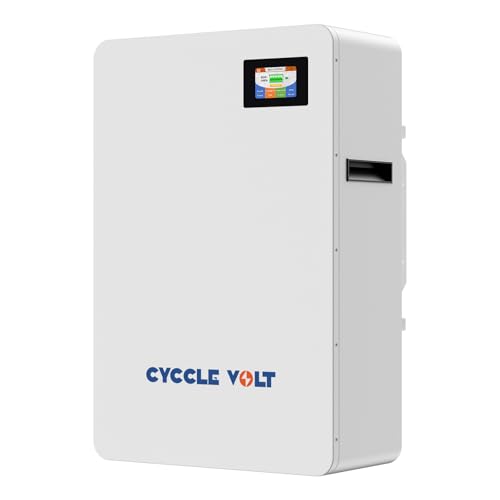
The CYCCLEVOLT 48V 200Ah LiFePO4 battery delivers a true 10 kWh storage capacity with a robust 200A BMS. Its Grade A+ prismatic cells offer a lighter, safer, and more efficient alternative to cylindrical cells, supporting over 8,000 cycles and up to a decade of service. Real-time monitoring is available via an intelligent display showing voltage, current, and state of charge, while CAN/RS485/RS232 communication enables seamless integration with major 48V solar inverters from Victron, SMA, DEYE, GoodWe, Growatt, and others. A high-temperature cutoff at 167°F (75°C) and a low-temperature cutoff at -4°F (-20°C) help protect the battery in varying climates. This unit counts on a decade-long warranty and strong performance history for off-grid, RV, and home energy storage scenarios.
Dawnice 16kWh Solar Battery Pack

Dawnice offers a 16 kWh LiFePO4 storage pack built with Grade A cells, designed for long life and high current handling. The 51.2V 314Ah configuration increases the power ceiling to about 7,680 W, with a recommended charging current near 100 A to balance performance and longevity. A built-in 150 A BMS protects against overcharging, over-discharging, and short circuits, while ensuring safe operation across a wide temperature range. With 6,000+ cycles and an estimated 15-year lifespan, this pack suits larger home backup systems and off-grid builds seeking substantial energy resilience.
Dawnice 10 kW Off Grid Solar System Kit

This Dawnice all-in-one kit pairs a 10 kWh LiFePO4 battery with an 8 kW pure sine wave inverter and a 10-piece solar array. The system is designed for off-grid reliability, delivering 22 kWh of daily generation under ideal sun conditions and robust performance with the included MPPT charger. With the 51.2V 206Ah battery and a built-in 100 A BMS, the setup provides strong protection against overcharge and short circuits, while enabling efficient charging and discharging in varied weather. Suitable for cabins, sheds, or as an emergency power solution in homes.
ECO-WORTHY 10.24 kWh Home Backup Power
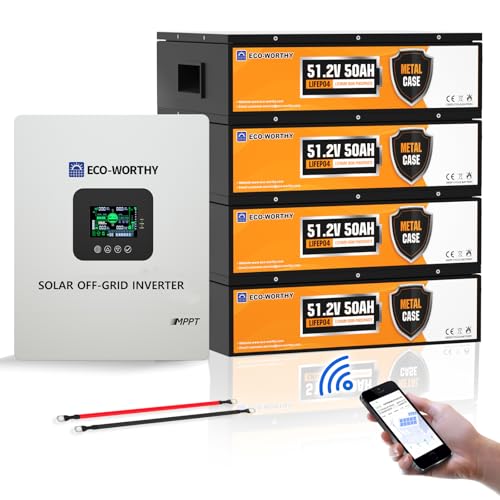
The ECO-WORTHY system combines four 50 Ah LiFePO4 cells per pack to achieve a total of 10.24 kWh with a powerful 5,000 W inverter. The multi-mode charging functionality supports solar and utility charging, with three main output modes that switch between the grid and battery to optimize energy use. The system includes remote monitoring via an app and offers a balance of storage capacity and safety features thanks to Grade A LiFePO4 cells and a capable BMS that handles overcharge and discharge. This configuration is well-suited for 24/7 backup power in homes facing outages or seeking energy independence.
OUPES Mega 5 Portable Power Station

The OUPES Mega 5 is a flexible LiFePO4 power station with a combined capacity reaching up to 10.08 kWh, especially when paired with the B5 Extra Battery. It supports expansion to roughly 45.36 kWh, enabling longer backup durations. The kit includes four 240 W solar panels and offers dual solar input for efficient recharging. This makes it an attractive option for whole-home backup, RV use, or remote cabins, especially where solar generation is a primary charging source. The Mega 5 emphasizes expandability, reliability, and user-friendly solar charging capability.
Buying Guide
- Battery chemistry and safety: LiFePO4 chemistry provides high cycle life, stable performance, and improved safety at scale. Look for Grade A cells and a robust BMS with protections for overcurrent, overtemperature, and short circuits.
- Capacity needs: For a 10 kWh target, confirm usable capacity after inverter and BMS losses. Consider flexibility to scale with additional modules or packs as consumption grows.
- Inverter compatibility: Ensure the system either includes an MPPT charger or is compatible with your preferred inverter brand. Check for 48V configurations when pairing with typical home inverters.
- Monitoring and communication: Real-time data on voltage, SOC, and current helps manage usage. CAN, RS485, and RS232 interfaces improve integration with inverters and smart home systems.
- Temperature management: BMS temperature cutoffs protect cells. Confirm operating temperature ranges suitable for your climate and installation location.
- Warranty and lifecycle: A longer warranty and higher cycle count indicate dependable performance. Expect lifespans of 10+ years or 8,000+ cycles for premium LiFePO4 packs.
- System integration: If you plan a full off-grid setup, alignment with solar panels, charge controllers, and inverters matters. Kits that include panels and inverters can simplify installation.
- Physical footprint and mounting: Wall-mounted or floor-based configurations should fit your space. Consider weight, mounting hardware, and enclosure ratings for indoor vs. outdoor use.
- Cost of ownership: While upfront cost matters, also weigh maintenance, replacement parts, and potential efficiency gains from modular designs and upgradability.
Selecting a 10 kWh solar battery involves balancing capacity, safety, monitoring, and future expansion. The options above provide diverse approaches—from compact, wall-mounted systems to larger, multi-pack configurations—catering to homes, cabins, and RV lifestyles. When evaluating, consider your daily energy profile, peak sun hours, and how quickly you may want to scale storage as demand grows. A well-chosen system can deliver reliable backup, reduce utility reliance, and support sustainable energy use over a long horizon.