Best 10 Hp Air Compressors for Single-Phase Power and Industrial Use
Today’s buyers typically seek durable, energy-efficient 10 HP air compressors that run on single-phase power. This guide presents five top options, each suited for different workloads—from continuous production to workshop tasks. Whether you’re an automotive shop, a small manufacturer, or a DIY enthusiast, you’ll find the right balance of capacity, energy use, and noise. Read on to compare features, determine who each model is best for, and identify any limitations to consider before buying.
| Product | Tank / CFM | PSI | Phase | Best For |
|---|---|---|---|---|
| Bilowk 10HP Variable Speed Screw | 39 CFM | 120 | Single | Industrial duty with energy savings |
| Bilowk 10HP/10HP Inverter 38 CFM | 38 CFM | 116 | Single | Versatile, flexible-demand applications |
| EMAX ESP10V120V1 120 gal | 38 CFM | 100 | Single | High-capacity stationary work |
| DCYL 10HP 30 Gal Two-in-One | 38 CFM | 116 | Single | Moveable, easy installation |
| NorthStar 10 HP Quiet Armor | 38 CFM | 90 | Single | Quiet operation for noise-sensitive environments |
Bilowk 10HP Variable Speed Screw Air Compressor
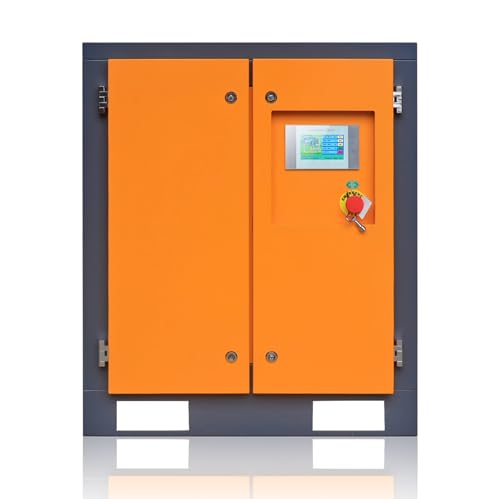
Engine: 10 HP; Voltage: 208–230V, 60Hz; Phase: 1; Working pressure: 120 PSI; Air flow: 39 CFM; Output pipe: 1/2” NPT. This model emphasizes energy savings through a variable-speed core and an intelligent control system that matches output to demand. Best for shops needing steady performance with reduced running costs, especially in environments with fluctuating air needs. A robust cooling system supports continuous operation in challenging conditions. Caution: higher initial investment may be a consideration for some budgets.
Why it’s selected: The combination of a 10 HP motor, 39 CFM output, and single-phase operation makes it a strong candidate for heavier but non-continuous industrial tasks where energy savings and process visibility matter. Users benefit from live process monitoring via the microcomputer control system.
Bilowk 10HP/10HP Inverter 38 CFM

Main parameters: 10 HP; 208–230V, 60Hz; 1 phase; 116 PSI; 38 CFM; 1/2” NPT. Features an energy-saving mainframe with a variable-speed inverter motor and an intelligent control system for automatic loading/unloading. This setup reduces operating costs and adapts to real-time air demand. Best for automotive repair, CNC tools, and light manufacturing where demand varies. Caution: not suitable for applications requiring higher PSI than 116.
EMAX ESP10V120V1 10 HP 120 Gal

Horsepower: 10; Capacity: 120 gal; Weight: 1100 lbs. This unit emphasizes substantial tank capacity for extended use between cycles. Best for workshops that require long runtimes without frequent recharging, or for tools with higher air consumption. Limitation: large footprint and weight demand a permanent installation site with solid flooring.
DCYL 10HP Variable Speed Rotary Screw with 30 Gal Tank

Product parameters: 10 HP; 208–230V/60Hz; 1 phase; 38 CFM; 116 PSI; 1/2” NPT. It uses an inverter-driven screw unit that adjusts speed according to demand, reducing energy consumption. Best for movable setups due to the 30-gallon tank and casters. Choose this if you need a compact, flexible unit with energy efficiency. Limitation: ensure you have a flat, sturdy floor for casters and stability during operation.
NorthStar 10 HP Quiet Armor 80 Gal

Features Quiet Armor technology for reduced noise relative to typical commercial models. 10 HP; 230V single-phase; 38 CFM at 90 PSI; 175 PSI max. Best for noise-sensitive environments like open workshops or studios. Limitation: noise-reducing design may come with a larger footprint and higher cost than basic units.
Buying Guide
What matters most: horsepower, phase, and airflow
For single-phase installations, a true 10 HP motor paired with 38–39 CFM at 90–120 PSI covers most heavy-duty workshops. Ensure the unit’s electrical setup matches your supply (208–230V, 60 Hz) and that your circuit can support the startup current.
Tank size and duty cycle
Smaller tanks (30–80 gal) offer portability and faster cycling, suitable for intermittent use. Large tanks (120 gal and above) reduce cycling frequency and support continuous tool use. Consider the duty cycle if you plan long, uninterrupted runs.
Mobility vs. stationary needs
Moveable units with casters are ideal for shop floors needing relocation. Stationary, heavy-wall units suit fixed installations with abundant floor space and a permanent setup.
Noise and environmental considerations
Quiet operation is valuable in open workshops or shared spaces. Acoustic design can impact placement decisions and local noise regulations.
Maintenance and parts availability
Look for units with widely available spare parts, simple oil or filter changes, and clear service intervals. A robust control system can help monitor running conditions and reduce downtime.
Recommended matchups by use case
- Heavy intermittent tasks in a fixed shop: EMAX ESP10V120V1 120 gal, NorthStar Quiet Armor 80 gal
- Energy-conscious manufacturing with demand-based output: Bilowk 10HP Variable Speed Screw; Bilowk 10HP Inverter 38 CFM
- Movable setups with moderate capacity: DCYL 10HP with 30 gal tank
Limitations to consider
Single-phase 10 HP units can have higher startup current and require appropriate electrical infrastructure. Some high-capacity models are large and require permanent installation space. If you operate at PSI limits near the upper end of 100–120 PSI, verify component ratings and wiring compatibility.
Short FAQ
- Q: Do these 10 HP single-phase units require special wiring?
A: Yes, they typically require 208–230V single-phase circuits and may need dedicated breakers. - Q: What is the typical CFM range for these models?
A: Most are in the 38–39 CFM range at working pressures around 90–120 PSI. - Q: Is a larger tank always better?
A: Larger tanks reduce cycling but require more space and heavier installation. Choose based on intended tool use and space. - Q: Are inverter/variable-speed models worth it?
A: Yes for variable demand; they improve energy efficiency and reduce operating costs when air use fluctuates. - Q: How important is noise level?
A: Important in open or shared spaces; quieter units are preferable for comfort and compliance with local noise limits. - Q: Can these be moved between jobs?
A: Some models have casters and lighter frames, but many are heavy and best installed in a fixed location.