Best 1/2 Inch Gas Regulator Options for NG/LPG Systems
The best 1/2 inch gas regulator options for natural gas and liquefied petroleum gas (LPG) systems are designed to deliver stable, safe gas pressure while remaining easy to adjust. This guide highlights five reliable regulators and explains who each is best for, along with practical buying tips. Ideal buyers include homeowners setting up NG or LPG appliances, grill enthusiasts, and mini-regulator upgrades for compact kitchens or grills.
Summary table of selected products:
| Product | Best For | In/Out FPT | Outlet Range |
|---|---|---|---|
| TEENGSE 1/2″ Gas Regulator (102-B) | NG/LPG dual-use, adjustable | 1/2″ FPT | NG: ~0.95–1.05 kPa; LPG: ~2.45–2.55 kPa |
| Maxitrol RV48L Natural Gas Regulator | Grills and home appliances needing stable NG flow | 1/2″ FPT | 3″–6″ WC (NG) |
| Aupoko 1/2″ Gas Regulator | NG/LPG, easy switch between modes | 1/2″ FPT | NG: 4″ WC; LPG: 10″ WC |
| BlueStars 1/2″ Gas Regulator | Dual-mode, good for grills and heaters | 1/2″ NPT | NG: 4″ WC; LPG: 10″ WC |
| Stanbroil 1/2″ Gas Regulator | Budget-friendly NG/LPG compatibility | 1/2″ FPT | NG/LPG operating ranges vary by model |
Note: Always verify thread type (FPT vs NPT) and the correct opening size for your piping before purchase. The 1/2″ regulator specification typically corresponds to 1/2″ FPT or 1/2″ NPT connections, with outside pipe dimensions around 13/16″.
TEENGSE 1/2″ Gas Regulator (102-B)

The TEENGSE regulator is a dual-use unit for natural gas and LPG with 1/2″ FPT inlet and outlet threads. It ships with a brass 1/2″ NPT adapter and conversion options to support both NG and LPG applications. The model’s second-stage regulator has a maximum inlet pressure of 1/2 PSI, with LPG and NG outlet ranges that require top-screw adjustments for precise setting. Best for: homeowners or hobbyists who need a flexible NG/LPG regulator with quick adapter options. Caution: the top screw requires adjustment to switch gas modes, and overshooting the specified outlet pressures can affect performance.
Maxitrol RV48L Natural Gas Regulator
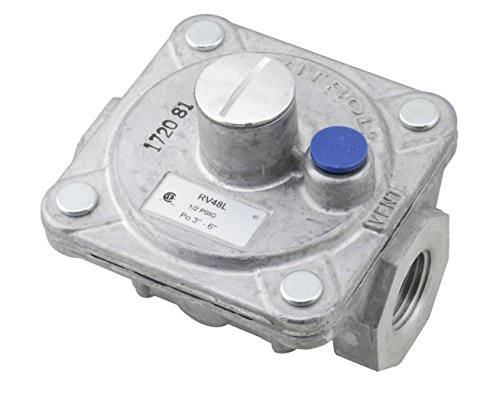
The RV48L is a 1/2″ FPT regulator designed for natural gas with an outlet range of 3″–6″ water column. It emphasizes a compact inlet and outlet opening near 13/16″ and is aimed at home appliances and grills. Best for: setups requiring a steady NG pressure with a straightforward, fixed regulator footprint. Caution: verify that the 13/16″ opening matches your pipe size to avoid fit issues.
Aupoko 1/2″ Gas Regulator

Aupoko offers two regulation modes: LPG and NG, both using 1/2″ FPT threads with configurable outlet pressures. The second-stage regulator has a 1/2 PSI maximum inlet and allows manual mode switching by adjusting the top screw. Best for: users needing quick mode swaps between NG and LPG without changing hardware. Caution: mode switching is manual and requires adjustment; improper setup may affect flow rates.
BlueStars 1/2″ Gas Regulator

The BlueStars regulator is adjustable and includes conversion adapters: a brass 1/2″ NPT male-to-male, additional 1/2″ NPT male to 3/8″ flare, and sealing tape. It supports LPG and NG with outlet ranges similar to other 2-position regulators. Best for: users needing a flexible regulator with included adapters for various pipe threads. Caution: the regulator does not turn off gas; an external shutoff is recommended for safety when not in use.
MAXITROL 325-3L-1/2 000 BTUH Regulator

This MAXITROL model presents a broader NG/LPG regulator option for 1/2″ NPT connections and is described in terms of BTU handling and typical gas pressure ranges. Best for: installations needing a compact regulator with a clear 1/2″ NPT interface. Caution: specific outlet pressures depend on the exact setup; verify compatibility with your appliance’s required gas pressure.
Buying Guide: 1/2 Inch Gas Regulator Essentials
What to consider before buying a 1/2 inch gas regulator?
- Gas type compatibility: Ensure the regulator supports both natural gas and LPG if you need dual modes.
- Inlet/outlet thread type: Confirm whether your piping uses 1/2″ FPT or 1/2″ NPT connections to prevent mismatches.
- Outlet pressure requirements: Check the appliance’s required gas pressure (in kPa or inches of water column) and pick a regulator that stays within that range.
- Adjustability: Decide if you need a regulator that can be manually adjusted for different gas types or applications, or a fixed-output unit for steady use.
- Dimensional fit: Some regulators have 13/16″ hole openings; ensure your pipe opening matches (or you have appropriate adapters).
- Safety considerations: Prefer regulators with clear shutoff options or integrate with an external shutoff valve for safe maintenance.
Key comparison questions
What is the best regulator for grills or ovens? A model with LPG and NG modes, stable outlet range, and easy mode switching is ideal. What about small kitchens or RV setups? A compact 1/2″ regulator with adapters and straightforward installation fits best. Do you need uniform performance? Look for regulators with clearly defined outlet pressure ranges and robust construction.
FAQ
- What is the typical outlet pressure for LPG regulators? LPG outlets commonly target around 10″ W.C. (2.45–2.55 kPa).
- Can a 1/2″ regulator service both NG and LPG? Yes, many are designed for dual NG/LPG use, with mode switching required.
- What does 1/2″ FPT mean? It refers to 1/2 inch flare/pipe thread type, which is common on gas regulators and pipes.
- Is 13/16″ opening size important? Yes, match this with your piping opening or use appropriate adapters to ensure proper fit.
- Do all regulators include adapters? Not all do; some models ship with adapters or require separate purchases.
- Should I install an external shutoff valve? For safety, installing an external shutoff valve between the regulator and gas source is recommended when not in use.