Best Panel Interlock Kits for Generators: Top 5 150–200 Amp Options
When securing a reliable home backup, selecting the right panel interlock kit is essential. The following top-rated options cover Square D, GE, Siemens/Murray, Eaton, and more, all designed to prevent simultaneous main and generator power. Each kit supports 150 or 200 amp service and offers safe, code-friendly backfeeding for essential loads during outages.
The table below highlights five strong contenders chosen for compatibility, spacing options, and installation practicality. Use it as a quick glance guide to compare key features and panel types before reading deeper into each product profile.
| Product | Brand | Compatible Panels | |
|---|---|---|---|
| Natupal Generator Interlock Kit | Natupal | Square D QO, Homeline 150/200A | 1 3/8 in |
| EXCELFU GE Interlock Kit | EXCELFU | General Electric 150/200A | 1 1/4 in |
| XMK Siemens/Murray Interlock | XMK | Siemens/Murray 150/200A | 7/8–1 1/4 in |
| EXCELFU Eaton BR Interlock | EXCELFU | Eaton Cutler Hammer BR/CH 150/200A | 1 1/4–1 7/16 in |
| QYZZRS Square D Interlock | QYZZRS | Square D QO/Homeline 150/200A | 1 3/8 in |
Natupal Interlock Kit for Square D QO or Homeline 150/200A
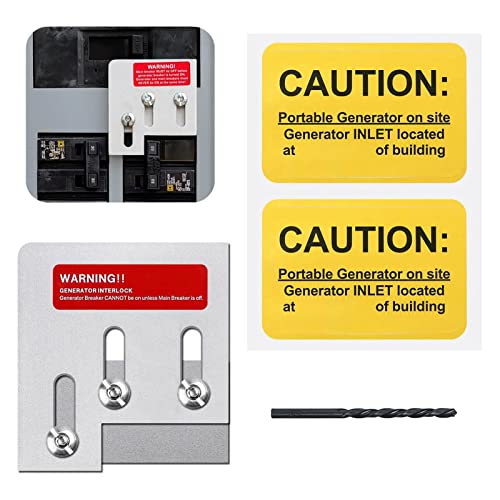
Natupal’s interlock kit is designed for Square D QO or Homeline panels at 150 or 200 amps. The critical dimension is a 1 3/8 inch spacing between the main and generator breakers to ensure safe operation. This kit is marketed as a dependable solution to manage generator power during outages without backfeeding the utility line. Its installation emphasizes straightforward alignment and durable construction for long-term use in residential settings.
Key features include compatibility with popular Square D configurations and a focus on safety: the interlock directs generator power to selected circuits while preventing simultaneous mains and generator feeds. The kit is positioned as an accessible option for homeowners who want a reliable, professional-grade solution without complex wiring changes.
Considerations: verify panel model and space availability before purchase, ensure you have the right screws and alignment tools, and follow manufacturer installation steps to avoid misalignment that could compromise operation.
EXCELFU GE Interlock Kit for 150/200 Amp Panels

EXCELFU offers a generator interlock kit compatible with General Electric GE 150 or 200 amp panels. A notable specification is the 1 1/4 inch spacing between the main breaker and branch breakers, a standard dimension that appeals to many GE installations. The kit’s description emphasizes safe, reliable operation by ensuring the mains and generator do not feed the home simultaneously, protecting appliances during outages and enabling controlled backfeeding of selected circuits.
Installation guidance highlights safe operation and practical use for essential circuits, with the kit marketed as a robust option for homes requiring dependable backup power without complex electrical modifications. Users should confirm panel model compatibility and spacing prior to purchase, and follow the included installation recommendations for best results.
XMK Interlock Kit for Siemens or Murray Panels

This interlock solution targets Siemens or Murray 150/200 amp panels. The spacing range of 7/8 to 1 1/4 inches between the main and branch breakers provides flexibility across different panel designs. The kit is described as safe and reliable, designed to prevent both mains and generator power from running simultaneously. The product aims to help households stay powered during outages while safeguarding appliances.
Note: Double-check the exact panel model and the spacing required for your setup. Correct alignment is essential for effective interlocking and safe generator operation.
EXCELFU Eaton Cutler Hammer BR/CH Interlock Kit

Designed for Eaton Cutler Hammer BR and CH series panels, this interlock kit supports 150 and 200 amp configurations. It describes a safe and cost-effective method for backfeeding with a portable generator, emphasizing reliability during power outages. The spacing range covers 1 1/4 to 1 7/16 inches between the main and branch breakers, allowing installation across various BR/CH panel setups.
Considerations include verifying panel type (BR vs CH), confirming which neutral configuration applies, and following installation steps precisely to avoid power conflicts or accidental backfeed.
QYZZRS Interlock Kit for Square D QO/Homeline 100–125 Amp

This option from QYZZRS covers Square D QO or Homeline panels at 100 or 125 amps, with a spacing specification of 3/4 to 7/8 inches between the main and branch breakers. While it targets smaller panel ratings, the kit is marketed for use in both indoor and outdoor installations and emphasizes a safe, cost-conscious approach to backfeeding for emergency power scenarios.
Installers should confirm the exact panel rating and space availability, ensure the correct orientation for the interlock, and follow the included guidance to maintain safe circuit operation during generator use outside of normal grid power.
Buying Guide: Key Considerations For Panel Interlock Kits
- Panel compatibility: Verify the interlock kit is listed for your specific make and model (Square D QO/Homeline, GE, Siemens/Murray, Eaton BR/CH, etc.). Compatibility determines proper alignment and safe operation.
- Breaker spacing: The required distance between the main breaker and the generator/branch breaker varies by kit. Common spacings range from 7/8 inch to 1 3/8 inches. Measure your panel to choose the right kit.
- Safety and code compliance: Interlock kits are designed to prevent simultaneous power from the utility and a generator. Ensure the product meets local electrical codes and the National Electrical Code (NEC) requirements for backfeeding and interlock devices.
- Installation approach: Some kits require drilling, alignment tests, or specific screw placements. Follow manufacturer instructions closely, and consider professional installation if you are unsure.
- Manual handling and tools: Some products include installation aids like drill bits or alignment stencils. Have the necessary tools on hand and follow alignment procedures to avoid mispositioning.
- Panel type and configuration: Confirm whether your panel uses plug-on neutrals, neutral bars, or other configurations that affect interlock performance and fitment.
- Maintenance and durability: Look for corrosion-resistant materials and robust construction suitable for long-term residential use in varying weather and load conditions.
- Weight and accessibility: Interlock kits should not overly complicate access to the panel or the main service disconnect. Consider ease of access for routine checks and potential future upgrades.
- Professional installation considerations: If you lack electrical experience, hiring a licensed electrician improves safety, ensures code compliance, and reduces the risk of miswiring or nuisance tripping.