Best Heating Elements for Saunas: Top Picks for Efficient Heat
Heating elements are core components of sauna stoves, directly impacting warmth, efficiency, and safety. This guide focuses on five reliable options that fit common sauna heaters and upgrades. Each product is evaluated for compatibility, heat output, and durability to help you choose a suitable element for your model and installation needs. The list includes stainless steel tubes, drop-in elements, and infrared options to cover traditional and modern sauna configurations.
| Product | Brand | Model / Type | Approx. Power |
|---|---|---|---|
| Finlandia Element for 6kW | Harvia | ZSL-313, FH78-240V | 6kW |
| Heating Component (2000W) | Atyhao | Stainless Steel Straight Heat | 2kW |
| Drop Element 2kW | HUUM | Drop 2 kW | 2kW |
| Finlandia Element for 8kW | Harvia | ZSK-745, FH79-208V | 8kW |
| Stainless Steel Heater Tube | TOPINCN | SCA-2000W | 2kW |
Finlandia Element for 6kW 240V Sauna Heater

Fits 6kW, 240V/1ph configurations for select Harvia sauna heaters (KIP/FLB/FIN/KV/Top Class lines). This element is designed to align with standard Finlandia models to maintain consistent heat output and safe operation. Proper installation should follow manufacturer guidelines to ensure electrical clearance and correct axial alignment with the heater body.
Electric Heating Component for Sauna Stove (2000W)
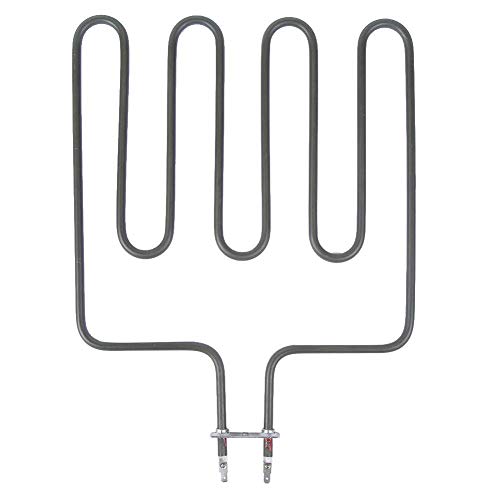
Made of high-quality stainless steel with high-temperature resistance and durable construction. This straight heat element provides strong heat transfer and faster warming, making it a practical replacement for various sauna stoves. Its robust build supports reliable long-term use in dry or wet sauna environments.
HUUM Drop Sauna Heating Element (2kW)

Drop-style heater element designed to replace standard 2kW elements in compatible HUUM systems. Constructed from stainless steel with corrosion resistance, it supports stable performance under continuous sauna cycling. Suitable for modern sauna designs that favor compact, modular heating components.
Harvia Finlandia 8kW Element (208V/3ph)

Designed for 8kW, 208V/3-phase configurations in Harvia Finlandia heaters (KIP/FLB/FIN/KV/Top Class). This element is built for demanding sauna sessions, offering consistent heat delivery and reliability in larger installations. Installers should verify compatibility with current heater models and electrical supply.
TOPINCN Stainless Steel Heating Tube (2000W)

Stainless steel heating element with high-temperature resistance and safe thermal efficiency. This 2000W tube aims for even heat distribution and quick warming. It’s compatible with a range of sauna stoves and provides practical replacement options for maintaining sauna performance over time.
Buying Guide
Key considerations when selecting a sauna heating element include compatibility with your heater model (power, voltage, and phase), material quality, and the element’s heat transfer characteristics. Stainless steel offers durability and corrosion resistance, which is important in humid sauna environments. Straight heat tubes provide uniform heat along their length, while drop-in elements are ideal for compact replacements in modular stoves. For infrared setups, consider elements designed to withstand continuous cycling and provide consistent infrared output.
- Power and voltage match: Ensure the element’s wattage and voltage align with your sauna’s electrical system and heater model.
- Material and durability: Stainless steel elements resist corrosion and heat wear, extending service life in damp conditions.
- Installation compatibility: Verify mounting method, connector types, and whether the element is a direct fit or requires adapters.
- Heat distribution: Uniform heating reduces cold spots and improves overall sauna performance.
- Safety and compliance: Use elements designed for sauna use and follow local electrical codes during replacement.
For best results, consult your sauna heater’s manufacturer guidelines before purchasing a replacement element. If uncertain about electrical compatibility or professional installation needs, consider having a licensed electrician review the setup to prevent electrical hazards and to ensure optimal heater performance.