Best Heat Tape for Stairs to Improve Safety and Performance
Choosing the right heat tape or related tape products for stairs involves considering heat resistance, surface compatibility, and traction needs. The following selections highlight a mix of heat-resistant tapes for high-temperature tasks and anti-slip tapes to enhance stair safety. Each product is chosen for relevance to stair applications, whether you’re improving grip on wooden or metal steps or protecting delicate surfaces during transfers and installations.
| Product | Brand | Key Use | Heat Resistance (approx) |
|---|---|---|---|
| 2 Rolls 10mm X 33m Heat Tape | EQUTY BAYMERS | Heat transfer, sublimation, electronics | 482°F (250°C) |
| Lifegrip Anti Slip Traction Tape | LifeGrip Stay on Track | Anti-slip for stairs and surfaces | -20°C to 60°C |
| Mr. Pen Heat Tape | Mr. Pen | Heat press, masking, electronics | Up to 536°F (280°C) short term |
| EARLEAS Heat Tape | EARLEAS | Heat transfer, soldering, boards | Up to 500°F (260°C) short term |
| JSITON Glow in The Dark Tape | JSITON | Stairs marking, visibility, safety | Photoluminescent, ambient |
2 Rolls 10mm Heat Tape For Sublimation And More

EQUTY BAYMERS offers a polyimide film heat tape with a heat adhesive designed for sublimation and transfer work. It provides strong heat resistance up to around 482°F (250°C) and peels away cleanly without leaving residue, which is useful when you’re applying protective or masking layers on stair-edge components during decorative or fabrication work. Its versatility makes it relevant for projects that combine heat tolerance with surface protection on stair fixtures or adjacent trim.
Lifegrip Anti Slip Traction Tape For Stairs

LifeGrip Anti Slip Traction Tape uses a PET backing with an 80-grit aluminum oxide surface to provide high foot traction. It’s designed to withstand indoor and outdoor use, including extreme temperatures from -20°C to 60°C. The tape is formulated to resist cracking and peeling while leaving minimal residue when removed. For stairs, this product adds reliable grip on hardwood, concrete, or metal treads, reducing slip risk for children, elderly, and pets without harming finishes.
Mr. Pen Heat Tape For Sublimation And Heat Transfer

Mr. Pen supplies two rolls of 0.4-inch wide heat tape, with 108 feet per roll, crafted from polyimide film and silicone adhesive. It offers broad compatibility with heat press operations and sublimation, up to 260°C (500°F) short-term and 220°C (428°F) long-term. The strong adhesive minimizes movement during heating, while clean removal reduces residue on delicate stair-edge components or electronics near stairs. This makes it suitable for masking and protection during stair-related DIY projects or light electronics work in stairwells.
EARLEAS Heat Tape For Transfers And Boards

EARLEAS provides two rolls of 108 feet of heat-resistant tape, designed for sublimation, transfer work, electronics, and circuit boards. The tape uses premium polyimide film with a silicone adhesive to deliver reliable high-temperature performance with zero residue. It’s suitable for precise masking and protection on stair-edge electronics installations or heat-assisted repairs where clean removal matters. Its versatility makes it a practical option for a range of stair-related DIY tasks that involve heat exposure.
JSITON Glow In The Dark Tape For Stairs And Marking
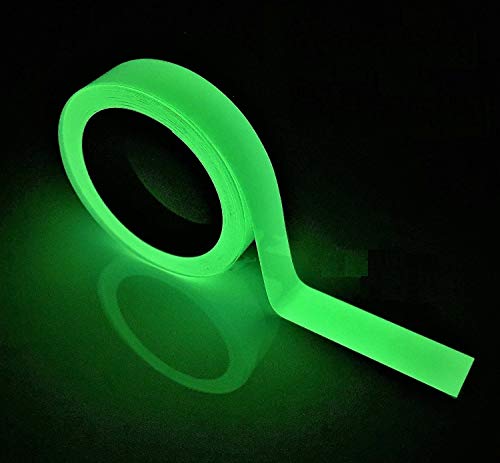
JSITON Glow In The Dark Tape is a photoluminescent PET tape designed for indoor and outdoor use. It provides long-lasting illumination after light exposure and is suitable for marking stairs, exits, and hazard areas to improve visibility in low light. While not a heat tape, its safety-focused visibility feature complements stair safety when used alongside heat-resistant tapes, enhancing overall stair usability and guidance in dim conditions.
Buying Guide: Key Purchase Considerations
- Purpose and environment: If you need slip resistance on stairs, prioritize anti-slip tapes with durable wear resistance and non-residue removal. For heat-related tasks on stair-edge components or adjacent fixtures, choose heat tapes with clear temperature ratings and clean removal properties.
- Surface compatibility: Wooden, metal, and concrete stairs respond differently to adhesives. Look for tapes designed to minimize surface damage and finish impact, especially on painted or varnished stair surfaces.
- Temperature and duration: High-temperature tapes are best for sublimation, soldering, and electronics near stairs. For regular stair use, ensure the tape withstands outdoor or indoor temperature ranges without cracking.
- Residue and cleanup: Tapes with residue-free removal simplify maintenance on stairs and prevent staining or finish damage during seasonal changes or foot traffic.
- Visibility and safety: Consider glow-in-the-dark or high-contrast tapes to improve stair visibility in low-light conditions, especially for households with children or aging adults.
- Maintenance and replacement: Check for wear patterns, adhesive strength over time, and ease of replacement. Some tapes may peel or wear faster with heavy foot traffic; plan replacement intervals accordingly.
- Certification and safety: For electrical or heating applications, verify certifications (CSA, ETL, UL) to ensure compliance with regional safety standards in homes and workspaces.
Across these selections, the emphasis for “Best Heat Tape For Stairs” is on balancing protective masking and heating performance with stair safety. The list covers practical applications from protective masking and heat transfer to non-slip safety and visibility enhancements, providing options for various stair-related projects.
Notes On Product Selection And Usage
All products listed are from reputable brands and are presented with their primary use cases. When applying any heat tape near stairs, follow standard safety guidelines and manufacturer recommendations. For anti-slip tapes, ensure the tape adheres well to the substrate and does not leave behind residues that could accumulate dirt or create additional hazards on stair surfaces. For glow-in-the-dark tapes, consider the level of ambient light exposure needed to recharge the luminescence for reliable nighttime visibility.