Best Gas Detectors for Homes: Safe Detection for Every Room
Choosing the right gas detector for a home involves balancing coverage, accuracy, and ease of use. The following selections emphasize multi-gas and single-gas detectors that alert you to natural gas, propane, methane, and carbon monoxide. Each option is suitable for kitchens, basements, RVs, and living areas, with plug-in power or battery backup for reliability during outages.
| Product | Brand | Key Benefit |
|---|---|---|
| Kidde Carbon Monoxide Detector, Plug-In | Kidde | Digital display; backup battery |
| 4-in-1 Upgraded Natural Gas & CO Detector | NICGOL | Dual sensors; 4-in-1 detection |
| PT199 Natural Gas Leak Detector | TOPTES | Portable sniffer with quick alarms |
| PT520A Natural Gas Detector | TOPTES | Gooseneck probe; 17-inch reach |
| Xalire Gas Leak Detector | Xalire | Home and RV compatibility; LED display |
Kidde Carbon Monoxide Detector, Plug-In with Battery Backup
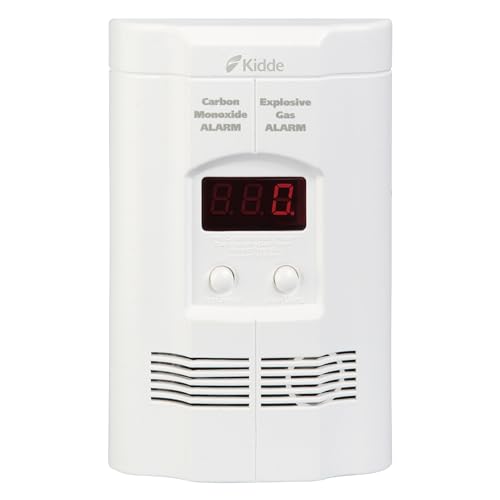
The Kidde detector combines carbon monoxide detection with propane, natural gas, methane, and explosive gas warning capabilities. It plugs into a standard 120V outlet and includes a 9-volt battery backup for outage protection. An LED display shows the current CO level or indicates “GAS” for explosive gas presence, supporting rapid situational awareness in kitchens, garages, and utility rooms. Ideal for homeowners needing reliable, simple installation and clear readouts.
Kidde Carbon Monoxide Detector, Plug-In with LED Display
This is another version of the Kidde unit with a digital LED display and a plug-in design. It maintains the 9-volt battery backup for power outages and provides a clear CO reading along with gas alerts, enhancing safety in living spaces and entryways where alarms must be immediately understood by all occupants.
4-in-1 Upgraded Natural Gas & CO Detector

NICGOL’s 4-in-1 detector combines natural gas and carbon monoxide sensors with temperature and humidity monitoring. It features dual sensors and a dual alarm system to quickly warn of CO levels at or above dangerous thresholds and natural gas leaks. The device is designed for energy efficiency, operating on 110V–220V AC with low power consumption, and aims to provide long-term reliability with minimal maintenance for homes and RVs alike.
PT199 Natural Gas Leak Detector
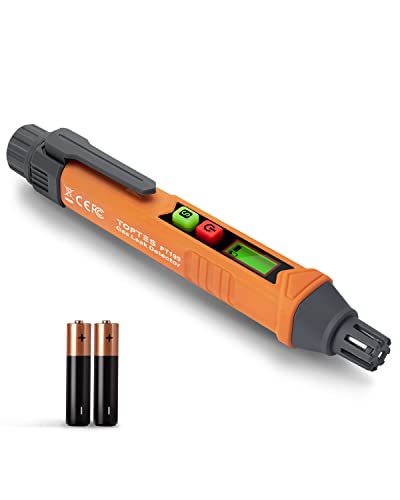
TopTes PT199 offers portable detection for natural gas, methane, propane, and other hydrocarbons. It delivers a rapid response with audible and visual alarms and includes batteries for immediate use. The LCD screen turns red as gas concentration increases, aiding quick identification of leaks in kitchens, basements, or RV compartments. Suitable for homeowners needing a compact, ready-to-use gas sniffer.
PT520A Natural Gas Detector

The PT520A features a 17-inch gooseneck probe that helps locate leaks in hard-to-reach areas, including pipelines, storage areas, and near gas appliances. It detects methane and other natural gases, with a 75dB alarm and a seven-bar visual indicator that intensifies with gas concentration. The device is suitable for advanced home safety checks and RV use, offering robust leak localization capabilities.
Xalire Gas Leak Detector

The Xalire detector is designed for both home and RV safety, detecting multiple flammable gases including natural gas and propane. It features an audible and visual alarm with an LED display for real-time concentration readouts. Its AC 110V–240V operation makes it adaptable to various electrical setups, providing a versatile option for households with diverse safety needs.
Buying Guide: Key Considerations For Gas Detectors
- Target Gases: Determine whether you need a dedicated carbon monoxide detector, a nitrogen-rich 4-in-1 device (gas, CO, temperature, humidity), or a portable gas sniffer for quick leak localization.
- Power Source: Plug-in detectors with battery backup offer continuous protection during outages, while portable detectors provide on-the-go leak detection in RVs or remote spaces.
- Response Time And Alarms: Look for fast detection (seconds) and audible alarms above 85 dB for clarity in noisy homes. Visual indicators like LED lights help when sound is muted.
- Display And Readouts: Digital displays showing CO levels or gas concentrations help users understand risk levels and take prompt action.
- Sensor Longevity: Some detectors require less frequent replacement due to advanced sensor technology; check maintenance intervals to balance cost and reliability.
- Mounting and Placement: Place detectors near sleeping areas, kitchens, basements, and near fuel-burning appliances. Avoid placement near vents or fans that could affect readings.
- RV And Multi-Environment Use: If you live in an RV or move between spaces, consider detectors with flexible mounting and portable options for rapid deployment in various settings.
- Regulatory Compliance: Choose detectors that meet recognized safety standards and certifications for gas and CO detection in consumer products.
In summary, a layered approach—combining a reliable CO detector with a dedicated gas detector or a 4-in-1 unit—offers robust protection for homes, RVs, and garages. The products listed above provide a mix of plug-in convenience, portable capability, and clear readouts to support quick decision-making in emergencies.