Best Above Ground Gas Pool Heaters for Faster Warmth and Easy Maintenance
Answer: If you’re heating an above-ground pool with gas, look for units with durable materials, efficient heat exchangers, and simple controls. These five models are well-suited for typical backyards, seasonal swimmers, and installations with limited space. The top picks vary by fuel type, elevation, and pool size, so select the one that matches your pool’s volume and climate. Below, you’ll find a compact buying table and five product sections to help you compare features, pros, and potential limitations at a glance.
| Product | Fuel | BTU | Best For |
|---|---|---|---|
| Raypak PR106AENC | Natural Gas | 105,000 | Above-ground pools requiring robust performance at mid elevation ranges |
| Raypak 105k Above Ground Pool & Spa Heater | Propane Gas | 105,000 | Smaller to mid-size above-ground pools needing reliable heat on demand |
| Pentair EC-462026 | Natural Gas | 125,000 | Budget-friendly option for smaller bodies of water up to 15,000 gallons |
| Raypak 150k Above Ground Pool & Spa Heater | Natural Gas | 150,000 | Larger above-ground pools needing quicker warm-up |
| Hayward W3H135FDN H-Series | Natural Gas | 135,000 | In-ground compatible option with strong heat and efficient operation |
Raypak PR106AENC 105,000 BTU Natural Gas Heater

The Raypak PR106AENC features an all-copper fin-tube heat exchanger and polymer headers. It is designed to resist rust stains on pool surfaces and deliver steady heating even when outdoor conditions change. Best for above-ground pools located in areas with moderate weather, where uninterrupted heating is needed despite debris or downdrafts, this unit emphasizes durability and consistent performance.
Best for: Pool owners seeking a durable, weather-tolerant heater with corrosion-resistant components. The polymer headers help prevent staining on the surface, and the copper system supports long-term heat transfer efficiency. Caution: Installation should follow local codes for venting and clearance; check elevation limits for your location.
Raypak 105k Above Ground Pool & Spa Heater, Propane

This 105,000 BTU propane heater uses polymer headers and copper tubing, with an analog control for straightforward temperature management. It suits above-ground pools at elevations up to 1999 ft. for reliable warmth without complex electronics. Best for: Quick heat-up needs in smaller to mid-size above-ground setups with simple operation. Caution: Propane configurations require proper storage and venting compliance.
Pentair EC-462026 Natural Gas 125K Heater

The Pentair EC-462026 provides 125,000 BTU with an efficient design that supports smaller pools, spas, and above-ground options. It emphasizes energy efficiency with a high-performance profile and a 1-1/2 inch plumbing connection, which can simplify installation for limited-space configurations. Best for: Budget-conscious buyers needing reliable heat for smaller bodies of water. Caution: While offering good efficiency, check compatibility with existing plumbing sizes and ensure correct venting requirements.
Raypak 150,000 BTU Above Ground Pool & Spa Heater
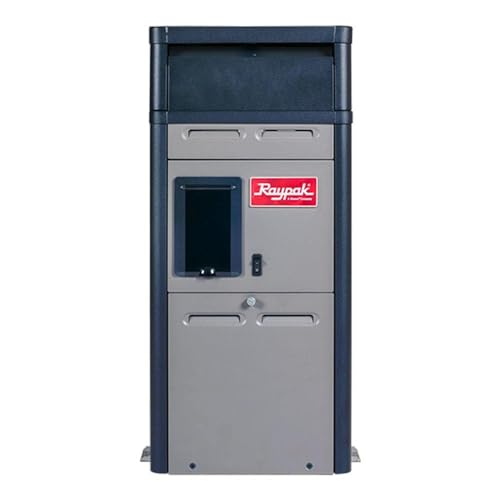
Designed for above-ground pools and smaller inground setups, this 150,000 BTU heater emphasizes robust heating performance with a 0-4999 ft elevation range. It uses a polymer header and copper tubing with digital control for precise temperature management. Best for: Larger above-ground pools needing faster heat-up times. Caution: Higher BTU units can require careful sizing to avoid overshooting pool temperature and may demand more robust electrical and venting setup.
Hayward W3H135FDN H-Series 135k BTU

The Hayward W3H135FDN delivers 135,000 BTU with a robust, corrosion-resistant Cupro-Nickel heat exchanger and a low-NOx emission profile for cleaner operation. It’s built to heat faster and stay efficient through the swimming season, making it a strong candidate for above-ground setups that want reliable performance and relatively low environmental impact. Best for: Homes needing faster warm-ups and higher capacity without stepping into commercial-grade equipment. Caution: This unit is often highlighted for inground compatibility; ensure the installation is suitable for an above-ground configuration if that is your intent.
Buying Guide
Key factors to consider when selecting an above-ground gas pool heater include BTU sizing, fuel type, elevation, and installation requirements. Use these practical questions to compare options:
- What pool size and water volume are you heating? Larger BTU units heat bigger volumes faster but may be oversized for small pools.
- Is your home set up for natural gas or propane? Propane models offer flexibility where natural gas isn’t available, but fuel cost and supply matter.
- What is your pool’s elevation? Some heaters specify effective elevation ranges; exceeding limits can reduce performance.
- What materials matter for durability? Copper tubes and corrosion-resistant heat exchangers help resist pool chemistry and weather exposure.
- What kind of control interface do you prefer? Analog, digital, or remote controls affect ease of use and maintenance tasks.
- How easy is installation and maintenance? Look for clear wiring connections, accessible service panels, and diagnostic features.
Practical comparison tips
- Choose this if you want a balance of price, efficiency, and durability: Raypak models with copper heat exchangers and polymer headers.
- Avoid this if you have limited space and need a compact install: verify clearance and venting requirements before purchase.
- Consider elevation and climate: higher elevations may reduce BTU efficiency; select a unit rated for your altitude.
FAQs
- What’s the difference between natural gas and propane heaters for above-ground pools? Natural gas units typically run continuously from a gas line, while propane units rely on a portable tank. Choose based on available fuel supply and running costs in your area.
- Can I install these heaters above ground myself? Some installations require professional venting and electrical connections. Check local codes and manual requirements.
- Do these heaters require a separate thermostat? Most models include an analog or digital control panel for temperature management; some setups can be paired with a separate thermostat.
- Are these heaters energy-efficient? Many units emphasize efficient heat transfer and low NOx emissions, but efficiency depends on proper sizing and pool usage patterns.
- How do I choose the right BTU for my pool? A larger BTU helps heat quickly for larger volumes; for small pools, a moderate BTU unit avoids overshooting temperatures.
- What maintenance steps are essential? Regular inspection of gas lines, venting, and the heat exchanger; keep the exterior clear of debris and follow the manufacturer’s service schedule.