Best Wind Powered Electric Generators for Reliable Off-Grid Power in 2026
Answering the demand for dependable off-grid energy, these wind powered electric generators are designed for homes, cabins, boats, RVs, and farms. This guide highlights five practical choices, showing who each model is best for and why. Use the buying table below to compare core specs at a glance and pick the best fit for your wind conditions and electrical needs.
| Product | Best For | Key Benefit |
|---|---|---|
| VEVOR 800W Wind Turbine Generator | Homes and small farms in moderate-wind areas | High efficiency with MPPT controller for versatile output |
| Wind Turbine Generator Kit, 1200W (pofluany) | RVs, off-grid cabins with 12V systems | Five-blade design for improved low-wind capture |
| Pikasola 400W 12V (4 blades) | Boats, small gardens, hybrid solar-wind setups | Lightweight, durable blades for stable performance |
| VEVOR 500W Wind Turbine Generator | RVs and boats needing compact footprint | MPPT with quiet operation and robust build |
| Fablestoryem 14000W Vertical Wind Turbine Kit | High-wind properties and decorative/low-noise residential use | Vertical design with low noise and 360° wind capture |
The following sections present each product in detail. For each, you’ll find what it’s best for, who should consider it, notable limitations, and how it compares to alternatives.
VEVOR 800W Wind Turbine Generator

Best for: Homeowners or small homesteads in areas with consistent winds above 3 Beaufort. The 800W output suits charging batteries or running modest electrical loads. It uses a 12V three-phase AC permanent magnet generator and is MPPT-controlled for efficient energy capture across varied winds. A caution: tower pole is not included, so you’ll need a mounting solution compatible with your site.
- High-Efficiency: 800W output with MPPT microprocessor control to optimize current and voltage.
- Wind Range: Start-up at 2.5 m/s, rated at 12 m/s, operating 3–25 m/s for better performance in gusty conditions.
- Quiet Operation: ~58dB sound profile for residential settings.
Best for: Those who want a robust, midsize turbine with intelligent charging control for 12V systems. Choose this if you expect steady wind and require reliable MPPT-based power management. Avoid if you need included mounting hardware or a tower pole.
Wind Turbine Generator Kit, 1200W (pofluany)

Best for: Off-grid homes and RV setups seeking higher wattage with reliable energy production. The 1200W kit uses a three-phase permanent magnet generator and a yaw-adjusted body to maximize wind capture. It includes a suitable controller to manage battery charging automatically.
- High Power: 1200W output with a compact, integrated regulator to stop charging when batteries are full.
- Durable Construction: Aluminum alloy body with corrosion-resistant features for longer life in outdoor environments.
- Consideration: Ensure proper mounting and wiring to your 12V or higher DC system. May be heavier than smaller units.
Best for: Builders prioritizing higher energy output in consistent wind zones. Choose this if you need more juice from similar footprint and accept a larger turbine footprint than 400W units. Avoid if wind intensity is highly variable and you require ultra-light components.
Pikasola 400W Wind Turbine Kit

Best for: Marine or RV installations where weight and compactness matter. The 23.8-inch blade length and nylon-carbon fiber blades are designed to resist weather while providing stable output. This kit includes a three-phase generator and an integrated regulator to manage charging.
- Blade Design: Longer blades than many compact kits to improve wind capture at modest speeds.
- Durability: Nylon carbon fiber blades with waterproof and corrosion-resistant features.
- Limitations: Output is right-sized for small energy loads; not ideal for heavy charging demands.
Best for: People who want a balance of weight, durability, and wind capture for small living spaces or hybrid solar-wind systems. Choose this if you need a lighter mid-range turbine and accept moderate energy output.
800W Horizontal Wind Turbine Generator (pofluany)

Best for: Residential yards, cabins, and small off-grid setups needing reliable low-wind start performance. This unit begins generating at 1.0 m/s, enabling earlier energy capture than many peers. It also features a 6-blade design for smoother operation and reduced vibration.
- Low Start Speed: 1.0 m/s start-up for consistent power in low-wind regions.
- Quiet Operation: Designed for reduced noise to suit home environments.
- Protection: Built-in safety features with robust housing to handle weather events.
Best for: Those in modest-wind areas seeking steady daytime power with quieter operation. Avoid if you require very high peak output from a compact unit.
VEVOR 500W Wind Turbine Generator

Best for: RVs, boats, or small homes needing a compact, efficient wind source with MPPT. The 500W rating suits charging systems with 12V batteries and basic electrical loads, and the turbine is designed for longer life and quiet operation.
- MPPT Controller: Optimizes power output for diverse circuit configurations.
- Durability: Sturdy construction designed for outdoor use.
- Limitation: May not deliver peak power in very low-wind conditions compared to smaller, faster-start units.
Best for: Those wanting a compact, reliable generator for limited-space applications. Choose this if you need a smaller turbine with MPPT and a straightforward setup. Avoid if peak power in gusty winds is a primary goal.
Fablestoryem 14000W Vertical Wind Turbine Kit
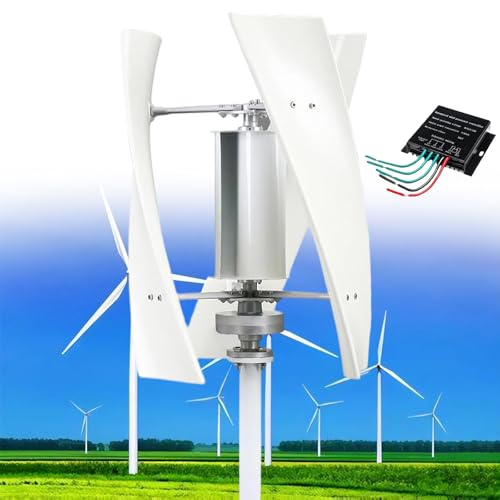
Best for: Quietly capturing wind in residential areas with minimal disturbance and for users who prefer vertical axis designs. This kit supports multiple voltage variants (12V/24V/48V/110V/220V) and uses nylon fiber blades for enhanced durability.
- Vertical Axis: No yaw system needed; captures wind from any direction with 360° flexibility.
- Quiet Operation: Notable reduction in noise compared to horizontal turbines.
- Consideration: Higher power rating means a larger system footprint and more complex wiring considerations.
Best for: People who want a quieter, footprint-conscious turbine with broad voltage support. Choose this if you value low-noise operation and multi-voltage flexibility, but ensure you have space and proper mounting for a larger unit.
Buying Guide: Wind Power For Home, RVs, and More
What size turbine should you choose?
- Low wind area (1.0–3.0 m/s): Consider small to mid-range units with low start wind speeds and efficient blades to capture breeze.
- Moderate wind (3–6 m/s): Look for turbines with MPPT controllers and multiple blade designs to maximize energy while staying quiet.
- High wind zones (>8 m/s): Higher wattage turbines can deliver more power, but ensure proper mounting and lightning/surge protection.
What should you know about mounting and safety?
- Tower poles, brackets, and wiring must be compatible with your chosen system. Some kits do not include mounting hardware.
- Place turbines away from obstructions to reduce turbulence and maximize output.
- Consider lightning protection, weatherproof housings, and proper grounding for safety.
How to match a turbine to a battery/inverter setup?
- Ensure your battery bank voltage matches the turbine’s nominal output (12V is common for small kits; higher voltages for larger systems).
- MPPT controllers optimize charging for varied wind and load conditions, improving overall efficiency.
- Factor in a suitable inverter capacity if you plan to run AC devices directly from wind power.
Frequently Asked Questions
- How much power can a wind turbine generate at home?
It depends on wind speed, turbine size, and generator efficiency. Higher-wattage units require steadier, stronger winds and larger battery/inverter setups. - Do wind turbines work in low wind conditions?
Some models start at very low speeds (around 1.0–2.5 m/s). Performance varies by blade design and MPPT control. - Is a vertical or horizontal turbine better for quiet operation?
Vertical-axis designs typically produce less noise in residential settings, though output characteristics differ from horizontal units. - Can wind power completely replace grid electricity?
In many installations, wind power supplements the grid or battery storage; full replacement depends on wind reliability and battery capacity. - What maintenance is required?
Regular inspection of blades, bearings, and electrical connections is advisable. Keep the turbine and controller free of debris and corrosion.