Best Carb Compliant Portable Generators for Reliable Backup Power
When choosing a carb compliant portable generator, look for models that deliver clean power, quiet operation, and fuel flexibility for home backup, camping, or RV use. The top picks below are selected for American buyers seeking CARB-compliant units that balance power, portability, and runtime. Each entry notes best-use scenarios, performance highlights, and practical cautions to help you compare at a glance.
Summary table of selected products:
- Pulsar GD400BN — 4000W peak / 3200W running on gas; dual fuel; RV-ready.
- PowerSmart 4800W — 4800W surge; inverter technology; ultra-quiet; parallel-ready.
- Pulsar PGD2200BiS — 2200W peak / 1800W running (gas); ultra-quiet; parallel capable.
- A-iPower SUA2301i — 2300W peak / 1800W running; compact inverter; quiet.
- WEN DF450i — 4500W peak / 3500W running; dual fuel; very quiet.
Pulsar GD400BN: Dual Fuel, RV-Ready, CARB Compliant

Best for: Home backup and RV users who need reliable power with parallel capability. The Pulsar GD400BN delivers strong peak watts and solid running watts on gas, plus a propane option. Its CARB compliance supports use in most U.S. states without emissions concerns. This model is well-suited for those who want to run essential appliances during outages or while on the road.
Highlights: 4000 peak / 3200 running watts on gas; 3600 peak / 2800 running watts on propane; 4.5-hour continuous operation at half load with a 1.1-gallon tank. Parallel capability helps if you need extra power for longer outages. The unit is designed for RV-ready applications and quiet operation.
Caution: Propane tanks can extend startup times in cold weather; verify dual fuel compatibility with your setup. Range and runtime vary with load and fuel type.
PowerSmart 4800W Portable Inverter Generator

Best for: Home backup or outdoor adventures where clean electricity is needed for sensitive devices. The PowerSmart 4800W inverter generator uses advanced technology to provide stable, safe power for laptops, smartphones, and tablets, making it a strong choice for campgrounds or a small home backup kit.
Highlights: 4800 starting watts with inverter output; electric start for quick power; fully enclosed body for quiet operation; 3.4-gallon tank offers up to 5 hours under full load, longer in ECO mode. Parallel-ready adds expandable power when paired with similar units.
Caution: While designed for efficiency, high-load operation will consume fuel faster; plan fueling and cooling for extended outages.
Pulsar PGD2200BiS: Compact, Quiet, CARB Compliant

Best for: Ultralight travel and small-power needs where quiet operation matters. The PGD2200BiS is suitable for tailgating, camping, or light backup power with the benefit of CARB compliance and parallel capability for additional energy when required.
Highlights: 2200 peak / 1800 running watts on gas; 80cc, 3HP single-cylinder engine; 4-stroke, air-cooled; parallel capability; runs quietly at about 60 dB. Compact form factor supports easy transport.
Caution: Limited power for larger appliances; not ideal for whole-home loads. Use within its designed wattage range and runtime expectations.
A-iPower SUA2301i: Lightweight RV/Backup Inverter

Best for: Portable power on the go where low noise and fuel efficiency are priorities. The SUA2301i fits tailgating, camping, and emergency backup needs with CARB compliance and a compact footprint.
Highlights: 2300 starting watts / 1800 running watts; 80cc OHV 4-stroke engine; pure inverter power with 3% THD for safe electronics; lightweight design supports easy transport.
Caution: Not meant for heavy-duty appliances; monitor load to preserve runtime and prevent overheating in hot environments.
WEN DF450i: Quiet, Dual Fuel Inverter Generator
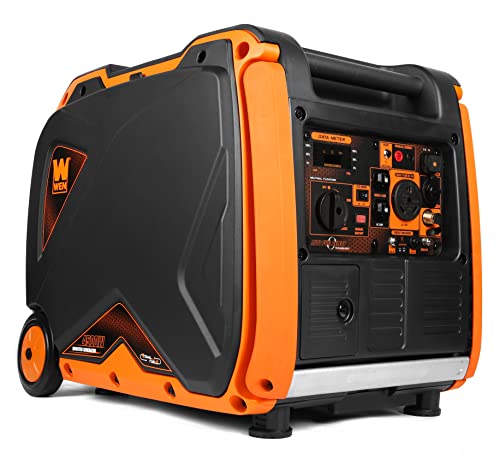
Best for: Users needing strong dual-fuel capability with quiet operation in a portable package. The DF450i serves as a robust option for RVs or small backup stations that require flexibility between gasoline and propane.
Highlights: 4500-watt surge / 3500-watt running on gasoline; 4500 surge / 3150 running on propane; Auto Fuel Selection for seamless fuel switching; EPA III and CARB compliant with a 212cc engine and quiet operation at 58 dBA.
Caution: Dual-fuel capability adds weight and size; ensure you have the correct connections and fuel sources for your setup.
Buying Guide: Key Considerations For CARB-Compliant Portable Generators
- Power needs: Estimate running watts for essential loads (refrigerator, lights, communication gear) and add a safety margin for startup surges. Dual-fuel options offer flexibility in fuel availability.
- Fuel efficiency and runtime: Look for inverter generators with efficient engines and larger tanks for longer runtimes. ECO mode or similar features extend operation during outages.
- Emissions compliance: CARB compliance is essential for use in many U.S. states. Check local regulations and storage considerations for propane and gasoline.
- Noise level: Inverter models typically run cleaner and quieter, which is important for camping, RV parks, and neighborhoods.
- Portability and build: Consider weight, wheel kits, and compact dimensions when you need frequent transport. Parallel capability is valuable if you anticipate needing more power later.
- Safety features: Look for automatic shutoffs, CO sensors (for non-inverter models), and proper ventilation for indoor or semi-indoor use.
- Maintenance and parts: Availability of replacement parts, filters, and spark plugs matters for long-term reliability and lower ownership costs.
Frequently Asked Questions
- What does CARB compliant mean for portable generators?
CARB compliance indicates meeting California air quality standards, and it is often accepted nationwide for outdoor use. It signals lower emissions and a cleaner burn.
- Are inverter generators better for sensitive electronics?
Yes. Inverter generators produce cleaner, more stable power with lower total harmonic distortion (THD), protecting laptops, phones, and small electronics.
- Should I choose dual-fuel or single-fuel?
Dual-fuel offers flexibility in fuel availability and can extend run times, but adds weight and cost. Choose based on your access to gasoline and propane.
- Is parallel capability important?
Parallel capability allows you to connect multiple units for higher total output, useful during peak loads or extended outages.
- What is a typical running wattage I should target for home backup?
Identify essential loads (refrigerator, lights, outlets) and aim for a generator that can cover 60–80% of their combined running watts with some headroom for startup surges.
- How loud are these generators?
inverter models typically range from about 52 to 62 dBA at a moderate distance; quieter operation is generally better for campsites and residential areas.