Best Deep Cycle Battery High Amp Hours for Long-Lasting Power
Looking for a deep cycle battery with high amp hours to power off-grid systems, RVs, boats, or solar setups? This guide highlights five top options designed for extended runtime and reliable performance. Each pick targets different use cases—from heavy trolling motor needs to compact lithium systems—so you can choose the best fit for your power needs and budget. The following buyer’s guide explains why these models stand out, how to compare amp hours, and what trade-offs to expect between AGM and LiFePO4 technologies.
| Product | Battery Type | Approx. Amp Hours | Best For |
|---|---|---|---|
| Weize Deep Cycle AGM 12V 100Ah | AGM | 100Ah | RV, camping, solar, and trolling motors |
| 12.8V 100Ah LiFePO4 Deep Cycle Battery | LiFePO4 | 100Ah | Long life, off-grid, high cycle life |
| Weize BCI Group 31M 110Ah Dual Purpose | AGM | 110Ah | Marine and RV with mixed starting/deep cycle needs |
| LiTime 12V 100Ah RV Lithium Battery | LiFePO4 | 100Ah | RV and van power with high safety |
| Newport 12V 50Ah Deep Cycle AGM | AGM | 50Ah | Lightweight marine trolling motor use |
Weize Deep Cycle AGM 12V 100Ah Battery

Best for: RVs, solar setups, trolling motors, and off-grid systems. This maintenance-free AGM battery uses an absorbent glass mat design to minimize acid leakage and reduce maintenance. It offers a generous 100Ah capacity with a robust 1100A max discharge for short bursts, making it suitable for demanding loads while maintaining reliability in small to medium power systems.
Why it’s selected: The combination of a compact footprint, low self-discharge (1-3% per month), and AGM construction makes it a strong choice for users who want predictable performance with minimal upkeep. The left/right terminal arrangement helps with straightforward wiring in tight installations.
Limitations: While suitable for many cycles, ensure operation within the recommended temperature range for optimal longevity. High-discharge events should respect the 5-second 1100A limit to avoid undue stress.
12.8V 100Ah LiFePO4 Deep Cycle Battery

Best for: Off-grid living, long-term power storage, and solar-dominated systems where lifespan and safety matter. This LiFePO4 unit delivers 100Ah with a built-in 100A BMS that guards against overcharge, over-discharge, short circuits, and temperature extremes, boosting safety and longevity.
Why it’s selected: LiFePO4 chemistry offers longer cycle life and higher energy density per kilogram than many AGM models. The IP67-rated waterproof case and compatibility as a direct replacement for AGM systems (where form factor matches) add versatility for marine or wet environments.
Limitation: Heavier upfront cost is typical for LiFePO4, though it pays off over many years of use through more cycles and smaller self-discharge.
Weize BCI Group 31M Dual Purpose AGM Battery

Best for: Marine and RV applications needing solid starting power with deep-cycle capacity. A dual-purpose design combines reliable cranking with sustained deep cycling, ideal for boats and mobile setups that require both engine starts and long-term power for accessories.
Why it’s selected: Its low internal resistance and high output power support quick, dependable starts while maintaining long life in challenging environments. Quick-charge capability helps reduce downtime between uses.
Limitation: As an AGM unit, performance can be sensitive to high temperatures; keep within the recommended temperature range to maximize life. Charging should follow precise voltage guidance to avoid overcharging.
LiTime 12V 100Ah RV Lithium Battery
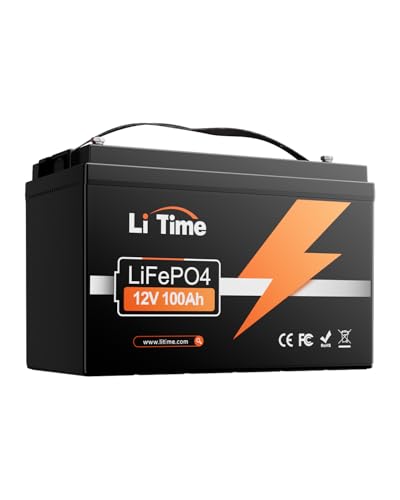
Best for: RV enthusiasts and campers who prioritize safety, compact size, and long life. This LiFePO4 model integrates a 100A BMS and is designed for high energy density in a compact footprint, supporting extended off-grid ventures without frequent replacements.
Why it’s selected: UL 1973 safety compliance and built-in safety protections help reduce risk in mobile living environments. The higher cycle life makes it especially attractive for users who cycle daily or seasonally.
Limitation: LiFePO4 chemistry requires careful management of charging parameters; using the recommended charging profile is essential for longevity and safety.
Newport 12V 50Ah Deep Cycle AGM Battery

Best for: Lightweight trolling motor setups and compact marine applications where weight and space savings matter. At 50Ah, this unit suits smaller craft or auxiliary power needs with reliable AGM performance.
Why it’s selected: The sealed AGM design ensures leak-proof operation and straightforward maintenance. Its relatively light weight makes installation easier in boats where balance and weight distribution are considerations.
Limitation: Lower amp-hour rating means shorter runtime for higher-power devices; choose this when weight and space are the primary constraints and loads are modest.
Buying Guide: Choosing The Right High-Amp-Hower Deep Cycle Battery
What are amp hours and why do they matter?
Amp hours (Ah) measure the capacity of a battery—the higher the Ah, the more energy stored. For continuous loads, larger Ah extends run time between charges. In off-grid or mobile setups, prioritize Ah based on your daily energy use and the available storage or charging capacity.
AGM vs LiFePO4: which to choose?
AGM batteries are generally lower in upfront cost and offer maintenance-free operation with good resilience in varied environments. LiFePO4 cells deliver longer cycle life and higher energy density, but at a higher initial price. LiFePO4 is often preferred for permanent off-grid storage or long-term use, while AGM suits budget-conscious users with moderate cycling.
How to size for your application
- Estimate daily energy consumption (Wh) for devices you plan to run.
- Choose a battery with a usable capacity that comfortably exceeds your daily need (consider depth of discharge limits).
- Account for charging sources and charging efficiency to prevent undercharging or over-discharging.
Practical tips for longevity
- Operate within recommended temperature ranges to maximize life.
- For LiFePO4, rely on a proper BMS to protect against over/under charging and short circuits.
- Avoid deep discharges that exceed manufacturer guidelines; use a battery monitor to track state of charge.
What to compare besides Ah
- Discharge rate and peak current capability for high-demand loads.
- Weight and size, especially for marine or RV installations.
- Durability features like waterproofing (IP ratings) or rugged construction.
- Charging compatibility and required charging profiles.
FAQ
- How many amp hours should I look for in a deep cycle battery?
Choose based on your daily energy use; higher Ah means longer runtime between charges, but compare weight and charging capacity as well. - Is LiFePO4 worth the extra cost?
If you value longer cycle life, safety, and compact energy density, LiFePO4 often pays off over time for frequent cycling. - Can I mix AGM and LiFePO4 in the same system?
Generally not recommended due to different charging requirements and health of each bank. - What is the role of a BMS in lithium batteries?
A BMS protects against overcharge, over-discharge, short circuits, and temperature extremes, extending life and improving safety. - Which battery is best for trolling motors?
A high-Ah AGM or LiFePO4 with strong discharge support and weight considerations is ideal; choose based on budget and weight limits. - Do these batteries require maintenance?
AGM batteries are maintenance-free; LiFePO4 batteries also require minimal maintenance but should be kept within safe operating conditions and monitored regularly.