Best Wig Wag Light Modules for Emergency and Warning Vehicles: A Clear Buyer’s Guide
Finding the right wig wag light module depends on your vehicle type, power needs, and how programmable you want the flash patterns. This guide highlights five reliable choices, perfect for police, ambulance, fire, or fleet use, plus DIY projects requiring robust, programmable alternation. Each option is explained with who it’s best for, why it’s selected, and any notable limitations. A quick comparison table follows to help you decide at a glance.
| Product | ||||
|---|---|---|---|---|
| Latest WigWag 36 | 12-24V | 2 outputs | 10A per channel | High visibility, versatile patterns |
| URANT D4 | 4.5-30V | 2 | 10A per channel | Customizable timing, flexible install |
| Stop-Alert X2 Wig Wagger | 12-24V | 2 | 36W per channel | Urban or highway use, strong signal |
| New Wig Wag 36 Pattern | 12-24V | 2 outputs | 10A per channel | 36 programmable patterns, reliable |
| Stop-Alert FastWagger | 12-24V | 2 | 120W per channel | Fastest wig wag, high-intensity alerts |
| iJDMTOY Left/Right Module | 12V | 2 | 48W total | Compact, universal fits into many vehicles |
Note: This table aggregates core specs for quick comparison. Always verify compatibility with your vehicle’s electrical system and local regulations before installation.
Latest WigWag 36 Electronic Wave Wagger Module

- Programmable 36 light patterns for varied signaling needs.
- Heavy-duty flasher relay with 20 Amps total (two 10 Amp outputs).
- Can drive headlights, LEDs, and other lamps; included program switch.
- 2-year warranty noted in product data.
Best for: Municipal fleets or volunteers needing many pattern options and robust performance. Best choice for those who require solid two-channel power and broad compatibility. Caution: Check total power draw to stay within 20 Amp capacity per the two outputs.
URANT DC Wig-Wag D4-SL Module
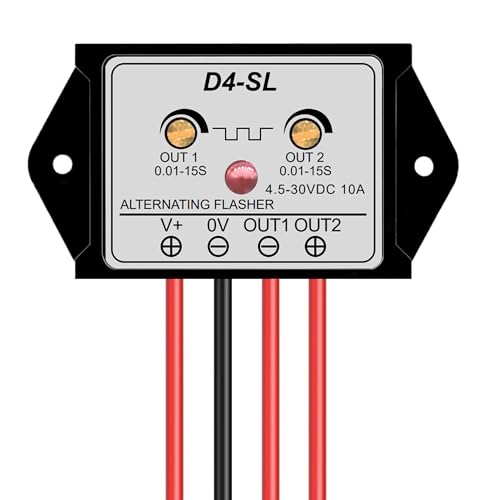
- Independent timing for two channels (0.01–15s per channel).
- Supports 12V-24V systems with up to 10A per channel.
- Pre-wired with color-coded leads for easier installation.
- Includes mounting holes for secure placement.
Best for: Projects needing precise, custom wig wag timing and simple install. Better for complex patterns where asymmetrical timing matters. Caution: Timing customization may require setup effort to dial in exact patterns.
Stop-Alert X2 Wig Wagger

- Waterproof universal design with 12-24V compatibility.
- Two outputs rated for 36W each; powerful daytime run signals.
- Alarming visibility designed to draw attention on the road.
Best for: Vehicles requiring strong, unmistakable wig wag signals for roadside safety. Choose this if you prioritize robust, weatherproof operation. Caution: The total wattage per channel should be managed to prevent overheating in hot environments.
New Wig Wag 36 Pattern Wave Wagger

- 36 programmable light patterns; 2-channel, 20 Amp total capacity.
- Heavy-duty flasher relay supports 12-24V operation; integrated LEDs and switch.
- Broad compatibility with headlights, LEDs, and other lamps.
Best for: Users who want a reliable module with a wide set of preset patterns. Better for vehicles needing flexible signaling. Caution: Ensure the power supply can sustain peak loads during long operation sessions.
Stop-Alert FastWagger 240W
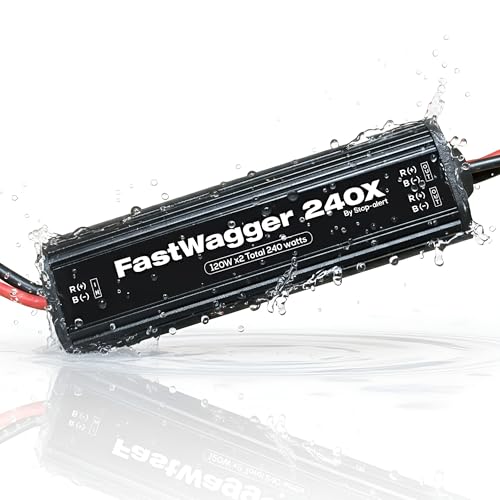
- 250 flash per minute, very high visibility wig wag.
- Two outputs, 120W per channel; compatible with 12V-24V systems.
- Described as fastest alternating light patterns for road presence.
Best for: High-visibility deployments where rapid wig wag signaling is essential. Choose this if you need aggressive signaling; Caution: manage heat and power draw to avoid system stress in hot climates.
iJDMTOY Alternating Left/Right Module

- Two-channel alternating left/right strobe module, 12V DC.
- Compact footprint, suitable for tight spaces on many vehicles.
- Relies on standard wire leads; approx. 5″ pigtail length per end.
Best for: Small vehicles or tight installations where space matters. Better for straightforward left/right alternation without heavy loads. Caution: Power handling is modest (max 48W total), so avoid high-power LED arrays on this module.
Buying Guide: Wig Wag Light Modules
Key considerations when selecting a wig wag module include voltage range, channel count, maximum load per channel, pattern variety, and installation complexity. Choose based on the demands of your vehicle, the required intensity, and how easily you can source compatible lights.
- Power and voltage: Most modules here run on 12V to 24V. For buses or trucks, confirm the exact voltage and total current draw to prevent electrical overload.
- Pattern flexibility: If you need many pattern options, prefer modules advertising 30+ patterns. For straightforward signaling, simpler patterns may suffice.
- Two-channel design: Two outputs support independent lighting zones. Ensure the combined load stays within each channel’s limit.
- Wiring and installation: Pre-wired options or clearly labeled wiring reduce install time. Look for integrated mounting provisions for a secure fit.
- Weather resistance: Waterproof or weatherproof housings are essential for exterior installations and emergency vehicle use.
- Reliability and warranty: A longer warranty provides peace of mind for critical signaling equipment used in traffic safety scenarios.
Frequently Asked Questions
- What is wig wag signaling used for?
Wig wag signaling alternates lights to increase visibility, typically used on emergency and warning vehicles to alert other drivers.
- Can these modules drive existing headlights or must I use dedicated lights?
Most modules are designed to work with headlights, LEDs, and other lamps, but always verify the total current draw and compatibility with your lights.
- Are these modules legal for street use?
Legality varies by jurisdiction. Check local traffic and vehicle-safety regulations before installation.
- Do all modules support 24V systems?
Many do, but some are optimized for 12V; verify voltage range to ensure safe operation on your vehicle.
- Is installation difficult for non-professionals?
Installation complexity varies; look for pre-wired units and clear wiring diagrams to simplify DIY setup.
- What is the benefit of programmable patterns?
Programmable patterns allow tailored signaling for different scenarios and locations, improving driver awareness.