Best Thermostats With Auto Changeover for Energy Savings and Comfort
Looking for a thermostat that automatically switches between heat and cooling to maintain comfort and efficiency? This guide highlights top options with auto-changeover features, suitable for different homes and budgets. Best for tech-savvy homeowners, mid-range remodels, and those seeking simple installation, these picks help you balance comfort with energy savings.
| Product | Best For | Key Benefit |
|---|---|---|
| Honeywell RTH9585WF1004 | Smart homes; energy rebates | Color touchscreen, energy-saving features, utility program support |
| Honeywell RTH7600D | Budget-friendly automation | 7-day programming, large touchscreen |
| Coiiwsei Auto Changeover Thermostat | Do-it-yourself setups | Broad compatibility, large backlit display |
| Emerson Sensi ST55 | DIY with Alexa integration | Energy Star, remote access, flexible scheduling |
| White-Rodgers 1F85U-22PR | Classic, reliable performance | 7-day programming, clear display |
Note: The table lists are for quick comparison. Each product page below includes detailed features, compatibility notes, and best-use scenarios to help you decide which device fits your home’s heating and cooling setup.
Honeywell Home RTH9585WF1004 Wi‑Fi Smart Color Thermostat
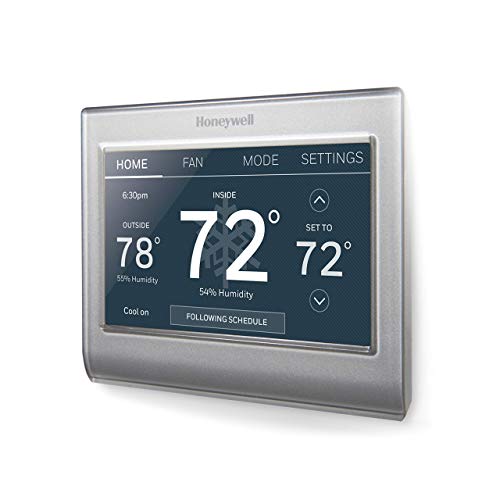
Best for color customization and energy rebates. This Wi-Fi smart thermostat offers a 7-day programmable schedule and a responsive touch screen. Its energy-saving features align with utility programs that reward demand response participation, making it ideal for households that want potential rebates and weather-aware control. The system supports flexible programming to fit personal routines or peak-rate pricing mandated by utilities. Best for technology-forward buyers who value aesthetics and eco-friendly incentives.
Who it’s best for: homeowners who want a stylish display, remote control, and potential utility-based savings. Caution: check compatibility with your HVAC system and ensure your utility supports demand-response programs in your area.
Honeywell Home RTH7600D 7-Day Programmable

Best for cost-conscious buyers who want a straightforward, reliable programmable thermostat. This model provides a large touchscreen and seven-day scheduling with four time periods per day, plus easy control of home and away settings to reduce energy use when you’re not home. It’s a practical choice for homes that don’t require app-based control but still benefit from automated adjustments based on a set schedule. Caution: lacks Wi‑Fi connectivity, so remote access isn’t available.
Coiiwsei Programmable Auto Changeover Thermostat

Best for versatile system compatibility and DIY-friendly installation. This thermostat supports a wide range of heating and cooling configurations, including forced air, electric furnaces, boilers, and radiants. It emphasizes large, easy-to-read controls and a universal sub-base for faster setup. However, it may not be suitable for heat pumps with auxiliary/emergency heat or specialized line-voltage systems. Choose this if you want broad compatibility and simple wiring.
Emerson Sensi Wi-Fi Smart Thermostat ST55
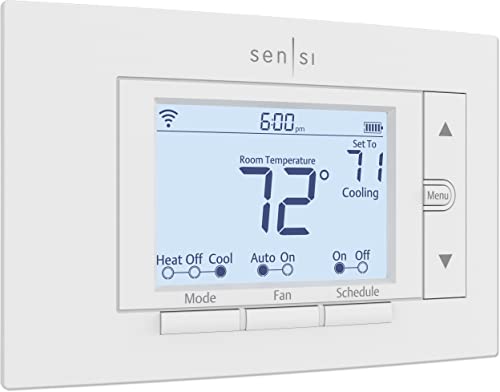
Best for flexible, remotely managed comfort. Sensi offers energy-saving features with remote access and usage reports, all within a compact, Energy Star-certified package. The thermostat is designed for easy DIY installation and works with most HVAC equipment that uses a common wire (c-wire is often not required). It’s a good fit for households seeking app control, privacy protection, and straightforward setup. Caution: reliability may vary with older HVAC systems that have unconventional wiring.
White-Rodgers Thermostat 1F85U-22PR

Best for reliable, no-frills performance. This 7-day programmable thermostat offers a large display with clear readability and selectable programming options (7 day, 5-1-1, or off). It suits homes that prefer a traditional approach to schedule-based temperature control and want straightforward installation with built-in level indicators. Caution: lacks smart features like Wi‑Fi or remote control, if you want app-based control.
Buying Guide: How to Choose The Right Auto Changeover Thermostat
What should you look for when choosing an auto-changeover thermostat?
- System compatibility: Confirm whether your heating and cooling setup is compatible (single-stage, heat pump, or multi-stage). Some models avoid complex wiring or specialized systems.
- Connectivity and control: Decide between Wi‑Fi enabled for remote access and local control only. Consider whether you want app integration, voice assistants, or energy-monitoring features.
- Energy savings: Look for Energy Star certification, demand-response compatibility, and fine-grained scheduling (7-day or more). These features help reduce energy use and may qualify for rebates.
- Display and usability: Large, easy-to-read displays and intuitive programming menus reduce setup time and daily adjustments.
- Installation complexity: Some units install quickly with universal sub-bases; others may require professional help for certain HVAC configurations.
What Are Auto Changeover Thermostats?
Auto changeover thermostats automatically switch between heating and cooling to maintain a predefined indoor temperature. This feature is especially useful in climates with fluctuating daily temperatures or in homes where occupants want consistent comfort without manual adjustments.
Frequently Asked Questions
- Do auto changeover thermostats require Wi-Fi? Some models offer Wi‑Fi connectivity for remote control, while others are standalone.
- Can I save energy with an auto-changeover thermostat? Yes. By maintaining a stable temperature and optimizing heating and cooling cycles, energy use can drop, especially when combined with curb-leaning programming.
- Is installation difficult? It depends on the model and your HVAC system. Simple units often install in about 30 minutes; more complex setups may require an expert.
- What is the best option for a family with smart-home devices? A Wi‑Fi enabled model with voice assistant support typically offers the best integration with existing ecosystems.
- Should I choose a model with energy rebates or utility programs? If available in your area, rebates and demand-response options can reduce operating costs over time.