Best Sub Panel With Breakers for Home Electrical Distribution
Whether you’re expanding a home or upgrading an existing system, choosing the right sub panel with breakers helps organize circuits, improve safety, and expand capacity. This guide highlights five reliable indoor load centers ideal for residential sub-panel use. Each product below is best for a different scenario—new builds, renovations, or spaces with limited wall space—so you can pick the best fit for your project.
Summary of selected products
| Product | Best For | Notes |
|---|---|---|
| Siemens E1020MB1100FCGP | Renovation projects needing a compact, 100-A main with 10 spaces | Flush-mount option, ground bar included |
| ABB TM2010CCUBK1 | Expanded residential distribution with included breakers | 20 spaces, 20 circuits, factory-equipped main and starter breakers |
| Lovnewmax 12-Space 125A | Mid-size homes or workshops needing reliable protection | Main lug panel, indoor steel enclosure |
| JINDOUZI THQL 12-Space 125A | Indoor main lug option with robust steel enclosure | NEMA 1 rated, good durability |
| Lovnewmax 8-Space 125A | Smaller spaces needing compact protection | 8 spaces, 125A rating |
Siemens E1020MB1100FCGP 100-Amp Indoor Narrow Width Renovation Main Breaker Load Center

This 100-Amp main breaker load center provides 10 spaces and 20 circuits in a compact, indoor-rated design. It’s best for renovations where space is at a premium and flush mounting is desired. The unit includes a ground bar for straightforward grounding and UL listing for reliability in typical residential environments.
Who it’s best for: Homeowners updating an older panel or builders needing a slim, flush-mount solution for a 10-space, 20-circuit load center. Why selected: It offers essential main protection with a narrow footprint, simplifying retrofit work without sacrificing safety.
Caution: Ensure compatibility with existing breakers if you’re pairing with a mix of brands; verify that the flush-mount cover suits your wall cavity and clearance requirements.
ABB TM2010CCUBK1 100A Main Breaker Load Center

ABB’s PowerMark Gold indoor panel offers 20 spaces and 20 circuits with a 100 Amp main breaker and included starter breakers. The enclosure uses galvanized steel with tin-plated copper bus bars, designed for long-lasting conductivity and safety. It’s a solid option for homes expanding power distribution or upgrading older installations.
Who it’s best for: Homeowners upgrading to a multi-branch, ready-to-expand system; contractors seeking a bundled solution that reduces separate purchases. Why selected: The kit includes main and starter breakers, streamlining initial setup and reducing compatibility concerns.
Caution: Confirm the included breakers fit your local electrical code requirements and that the panel’s bus and enclosure finish align with indoor installation needs.
Lovnewmax 12 Space 125A Main Lug Panel

This 12-space, 125A main lug panel is designed for indoor use and is suitable for sub-panel applications. It supports 120/240V single-phase systems and emphasizes organized distribution for homes, garages, or light commercial environments. The main lug design means it relies on external main breakers or lugs for protection, making it flexible for certain setups.
Who it’s best for: Projects needing a larger circuit count without a full main breaker option; situations where a sub-panel with lugs is preferred for future feeder upgrades. Why selected: It delivers adequate space for more circuits while maintaining a robust steel enclosure for indoor installations.
Caution: This model requires a suitable main breaker or main lugs not included in the package; plan for compatible breakers if upgrading later.
JINDOUZI THQL 12-Space 125A Main Lug Indoor Load Center
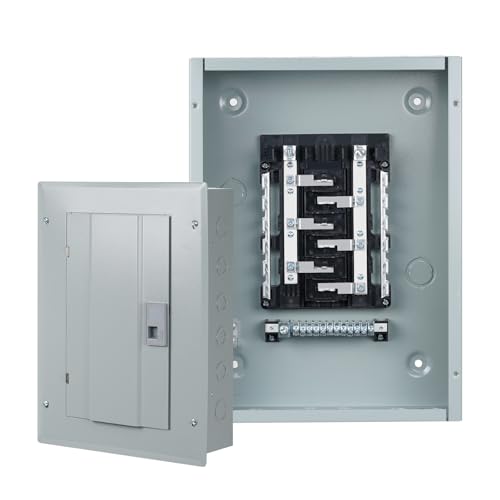
This 12-space, 125A main lug panel is crafted for indoor use with a sturdy NEMA 1 steel enclosure. It provides solid protection and ample space for up to 12 single-pole breakers, making it a practical choice for expanding circuits in a home or small office environment.
Who it’s best for: Homeowners needing a durable, affordable way to add circuits in a dedicated sub-panel area. Why selected: The main lug design offers flexibility in how you feed power from the main service.
Caution: Ensure you have a plan to feed the panel from a main service or tie-in with a main breaker elsewhere; lug-only configurations may require careful wiring management.
Lovnewmax 8 Space 125A Main Lug Indoor Load Center

This eight-space, 125A panel is ideal for compact spaces where a smaller sub-panel is required. It distributes power safely across up to eight circuits, with a steel enclosure suitable for indoor installation. The main lug arrangement provides straightforward setup in suitable feeder configurations.
Who it’s best for: Tiny-to-mid-sized homes or specialty rooms needing a compact sub-panel. Why selected: Its smaller footprint keeps installation simple while still offering reliable protection for essential circuits.
Caution: Limited space means you’ll need to plan circuit layouts carefully to avoid overloading any branch circuits; ensure future expansion needs are considered.
Siemens E0408ML1125SU 4 Space, 8 Circuit Main Lug Load Center
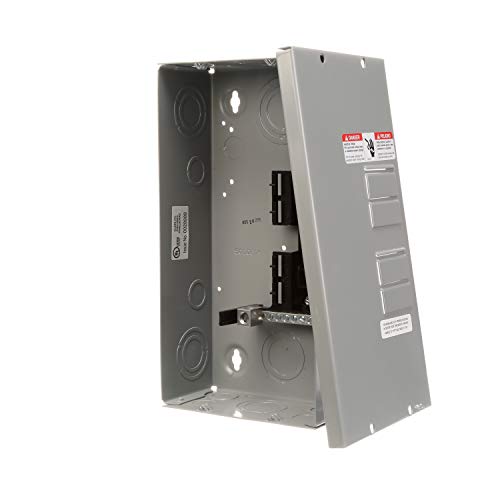
This compact 4-space, 8-circuit load center is suitable for small sub-panel needs. It includes a surface-mount design and is rated for indoor use with a main lug configuration. Aluminum or copper bus materials improve conductivity for basic distribution tasks.
Who it’s best for: Small apartments, studios, or single-room renovations where only a few added circuits are required. Why selected: The smallest footprint among the options still provides a reliable, safe path for added circuits.
Caution: Limited expansion capacity means you might outgrow this panel quickly in busy homes; verify future load requirements before installation.
Siemens E0816ML1125S EQ 125A, 8-Space, 16-Circuit Indoor Load Center

Siemens’ 125A, 8-space, 16-circuit indoor load center combines higher circuit capacity with a compact form. It’s designed for single-phase power and includes aluminum bus bar and galvanized steel construction for corrosion resistance in indoor environments.
Who it’s best for: Households needing more circuits without stepping up to a larger panel, or renovations that require a balanced sub-panel approach. Why selected: The extra circuits provided by the 16-circuit design offer better distribution without increasing panel size dramatically.
Caution: Ensure the enclosure footprint fits your interior wall and that the installed bus and lugs comply with local electrician codes.
Buying Guide: Sub Panel With Breakers Essentials
- Capacity: Match panel amperage and the number of spaces to your anticipated load. Consider future expansion to avoid rework.
- Main vs. Main-Lug: Decide between main breaker panels (overall service disconnect) and main-lug panels (requires a separate main).
- Enclosure rating: For indoor use, look for NEMA 1 or equivalent steel enclosures that resist dust and corrosion.
- Bus material: Copper or tin-plated copper buses offer better conductivity; aluminum is common in many boxes but may require different maintenance.
- Compatibility: If upgrading, ensure the panel accepts standard breakers from the same family or has a clear replacement path.
- Safety features: Ground bars, dead-front safety, and proper enclosure grounding are critical for safe operation.
- Installation space: Measure wall depth and clearance for service equipment and ensure flush or surface-mount options fit your space.
Frequently Asked Questions
- What is a sub panel with breakers used for?
A sub panel distributes power to multiple circuits within a building, extending your main panel’s reach and improving circuit organization.
- Do I need a main breaker in a sub panel?
Not always. Sub panels can be main-lug or main-breaker configurations. A main breaker in the sub panel provides an additional disconnect point.
- Can I mix brands in a sub panel?
Compatibility varies; it’s best to stick to a single brand family for breakers and panels to ensure consistent performance and code compliance.
- How many circuits should I plan for in a sub panel?
Estimate based on current usage plus anticipated expansion. Plan some extra spaces for future circuits to avoid overcrowding.
- What installation safety steps are essential?
Turn off service supply, use properly rated breakers, follow grounding practices, and have a licensed electrician perform or verify work when in doubt.
- Is indoor use always required for residential panels?
Most residential panels are designed for indoor use, but outdoor-rated models exist for garages or exterior installations; verify enclosure rating and local code requirements.