Best Waste Oil Water Heater Options for Home Garages and Workshops
Answering the common buyer question: which waste oil heater is best for garages, workshops, and off-grid setups? This guide highlights five top choices that use waste oil to generate reliable heat. Each option targets a different type of user—auto shops, homesteaders, mobile setups, or indoor spaces—so you can pick the model that fits your space, fuel availability, and maintenance expectations. The summary below helps you compare at a glance before diving into detailed product insights.
| Product | Best For |
|---|---|
| Dinithron DC 12V Waste Oil Burner | Garage and off-grid workshops needing steady heat |
| WVO Designs Waste Oil Centrifuge | Cleaning waste oils into usable fuel for furnace use |
| Waste Oil Heater for Garage DC 12V | Commercial garages and fleet service centers |
| Waste Oil Burner Indoors Smokeless | Indoor workshops and garages with odor considerations |
| INTSUPERMAI 220V Waste Oil Burner | Industrial furnaces and boilers with high output needs |
Dinithron DC 12V Waste Oil Burner & Heater
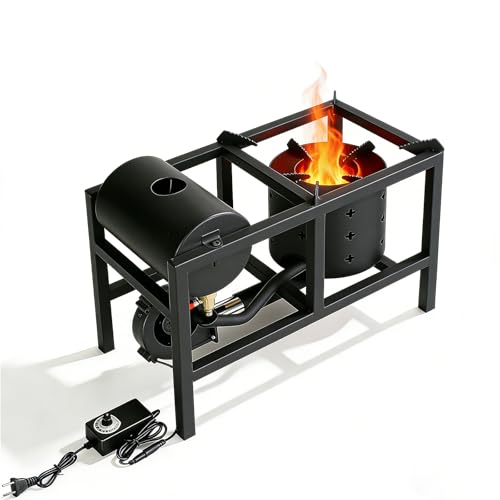
- High-Efficiency Waste Oil Heating System designed to burn used motor oil, hydraulic oil, and transmission fluid for reliable, consistent heat and reduced energy costs.
- Heavy-Duty construction with rugged steel for long-lasting performance in garages, workshops, and off-grid settings.
- Cost-Effective solution to reuse waste oil, lowering heating expenses for commercial and professional users.
auto shops or homesteaders needing a durable, off-grid capable heater that runs on waste oil with steady heat output. Caution: ensure proper ventilation and consistent oil supply to avoid incomplete combustion.
WVO Designs Waste Oil Centrifuge
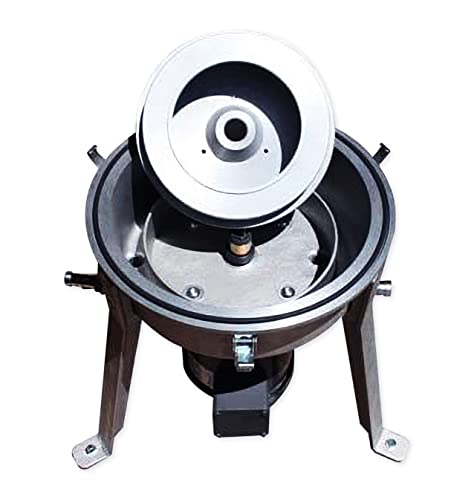
- WVO RAW POWER CENTRIFUGE cleans waste vegetable oils and other fluids, extracting dirt and water to produce cleaner oil for fuel or furnace use.
- Designed for processing up to 25 gallons per hour, suitable for workshops with higher oil turnaround.
- Versatile with multiple oil types for conversion into usable fuel, improving waste oil handling efficiency.
users who generate varied waste oils and want to convert them into cleaner, usable heat fuel. Consider that ongoing operation requires maintenance of the centrifuge to sustain performance.
Waste Oil Heater for Garage DC 12V

- Industrial-Grade Waste Oil Heating Solution built for continuous operation in commercial and industrial environments.
- Designed for garage use and ideal for fleet garages, automotive service centers, and industrial workshops requiring dependable, high-output heating.
- Reinforced steel body and precision burner system support reliable combustion under demanding conditions.
dedicated workshop spaces needing a robust, long-term heating solution. Limitation: high-output units may require careful installation and ventilation planning.
Waste Oil Burner Indoors Smokeless

- Multi-Fuel Compatibility supports waste engine oil, bio oil, gear oil, hydraulic oil, and even certain frying oils (water-free fuels only).
- Three heating area options cover 20㎡/50㎡/100㎡ spaces, suitable for garages, workshops, warehouses, and camping use.
- Smokeless and odor-minimized operation after ignition, with minor odor during startup.
indoor spaces where odor control matters. Limitation: some initial smoke may occur during ignition; ensure adequate ventilation and clearance around the unit.
INTSUPERMAI 220V Waste Oil Burner

- Air Atomizing Multi-Fuel Recycled Heater designed for boilers and industrial furnaces with double-fire design for efficient heat.
- Output range 58-116 kW with automatic ignition and temperature control for easier operation and even heating.
- Designed for waste oil use, with automatic ignition and control features to minimize manual intervention.
larger industrial setups needing high-output waste oil heating. Caution: this is a higher-power unit; proper electrical and ventilation requirements are essential for safe operation.
Buying Guide: Waste Oil Heaters for Garages and Workshops
- Fuel compatibility: Decide if you need single-oil compatibility or the flexibility to process multiple waste oil types. Some models handle motor oil, hydraulic oil, and gear oil, while others add centrifuge cleaning or multi-fuel capabilities.
- Power and heat output: For small spaces, 12V DC solutions may suffice; larger garages or industrial spaces often require 58-116 kW or more. Choose based on space size, insulation, and how quickly you want heat delivered.
- Ventilation and odor control: Indoor installations benefit from smokeless designs and robust ventilation planning. Look for units marketed as smokeless and those with automatic ignition for safer operation.
- Durability and build quality: Heavy-duty steel frames and reinforced burn chambers extend service life in demanding environments like auto shops and farms.
- Maintenance needs: Some systems require regular oil level checks and cleaning (centrifuge types). Consider ease of access, filter changes, and fuel handling procedures.
- Installation considerations: Electrical supply, venting requirements, and space around the unit affect performance and safety. Larger units may need professional installation for compliance with local codes.
- Environmental and safety notes: Handling waste oil demands spill prevention, proper containment, and fire safety measures. Ensure you comply with local regulations regarding used oil handling.
FAQ
- Can these waste oil heaters be used indoors? Yes, but ensure adequate ventilation and follow the manufacturer’s installation guidelines for safe operation.
- What types of oil can be burned? Most units support motor oil, hydraulic oil, transmission fluid, and some vegetable or bio oils. Always verify compatibility in the product details.
- Do waste oil heaters require special maintenance? Yes. Regular checks on oil level, burner cleanliness, and fuel quality help maintain efficiency and safety.
- Is a centrifuge necessary for waste oil heating? A centrifuge is beneficial if you repeatedly process dirty oils, as it removes dirt and water to improve fuel quality.
- What should I consider when choosing a heater for a small space? Prioritize compact size, lower heat output suitable for the space, smokeless operation, and a model that supports easy venting or off-grid use.
- Are these units compliant with safety standards? Each product has its own safety features; refer to the specifications and installation instructions for compliance details.