Best Automatic Temperature Control Thermostats for Smart Comfort and Energy Savings
Answering the question “which thermostat is best for automatic temperature control?” this guide highlights five reliable options that automate daily climate adjustments, reduce energy use, and simplify home comfort. Ideal buyers: smart homeowners seeking remote access and flexible programming; busy households needing consistent temperatures; renters wanting easy installs with minimal wiring concerns.
| Product | Best For | Why It Stands Out |
|---|---|---|
| Honeywell Home RTH7600D | Tech-friendly homes | Large touchscreen; 7-day programming; home/away temp settings |
| Suuwer Non-Programmable | Simple setups | Easy basic control for single-stage systems |
| Emerson Sensi ST55 | Smart home integration | Wi‑Fi, energy-savings features, easy DIY install |
| Honeywell Home RTH9585WF1004 | Colorful, programmable comfort | Color display; flexible scheduling; potential rebates |
| Honeywell Home RTH20B | Simple replacement | 5-2 day schedule; direct compatibility upgrades |
Honeywell Home RTH7600D 7-Day Programmable Touchscreen Thermostat

The RTH7600D is a seven-day programmable thermostat with a large touchscreen that streamlines temperature selection and scheduling. It supports a weekly programming cycle with four periods per day and allows temporary and permanent hold settings for extended absences. Best for tech-friendly households that value intuitive controls and energy-aware routines. Caution: Requires compatible wiring for full feature use.
Best for: homeowners who want a straightforward, automated schedule that’s easy to program via a responsive display. Why selected: its clear interface and robust 7-day programming make routine climate control predictable and energy-conscious.
Suuwer Non-Programmable Thermostat for Home

The Suuwer non-programmable thermostat is a simple, single-stage control suitable for conventional heating and cooling setups. It’s best for users who prefer a straightforward on/off approach without scheduling. Caution: Not compatible with multistage systems or heat pumps, so verify your equipment before purchase.
Best for: households with uncomplicated heating/cooling needs or users who want a quick replacement without learning advanced programming. Why selected: its uncomplicated operation minimizes setup friction for basic comfort control.
Emerson Sensi Wi-Fi Smart Thermostat ST55
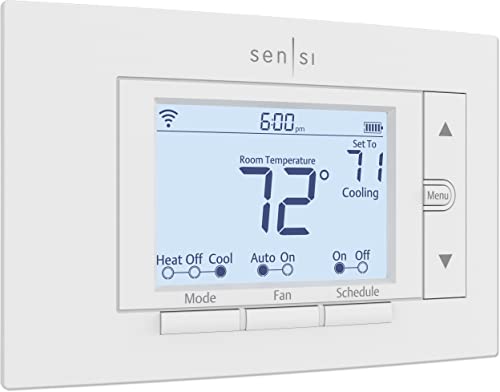
The Emerson Sensi ST55 is a Wi‑Fi enabled smart thermostat that emphasizes energy savings with flexible scheduling and remote access. It is Energy Star certified and designed for easy DIY installation, often compatible with a wide range of HVAC equipment. Best for: users seeking smart, energy-aware control without complex setup. Caution: Some installations may require a C-wire, though many applications work without it.
Why selected: strong balance of smart features, energy reporting, and installation simplicity makes it a versatile choice for many homes.
Honeywell Home RTH9585WF1004 Wi-Fi Smart Color Thermostat
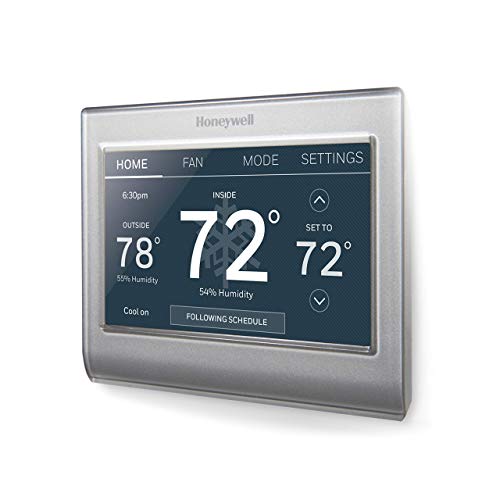
This color-display thermostat adds a personalized touch to home climate control. It offers seven-day programming, Wi‑Fi connectivity, Energy Star certification, and compatibility with voice assistants. It also enables potential rebates through energy providers and demand-response programs. Best for: style-conscious homes that want advanced scheduling and utility savings. Caution: color options may influence your cosmetic fit with decor, so choose a hue that complements the room.
Why selected: it blends aesthetics with robust scheduling and energy features, making it a strong choice for modern smart homes.
New! Honeywell Home Programmable Thermostat, RTH20B

The RTH20B offers a 5-2 day schedule and a large display with clear fonts for daily use. It’s positioned as a direct replacement option for older thermostats, making it useful for upgrading to programmable control without a complicated install. Best for: users replacing an older model who want a familiar interface with improved automation. Caution: not all advanced features are available in this model, focusing on essential scheduling.
Why selected: straightforward replacement that helps users migrate to programmable control without sacrificing ease of use.
Buying Guide: Key Considerations for Automatic Temperature Control
What should you consider when choosing an automatic thermostat?
- Compatibility: Check your HVAC system type (single-stage vs multi-stage, heat pump, gas/oil/electric furnace) and wiring requirements (C-wire presence).
- Programming needs: Do you want full 7-day scheduling, or a simple on/off controller? Consider whether you’ll benefit from a temporary hold or vacation mode.
- Connectivity: Is Wi‑Fi or smart home integration important? Some models support voice assistants and remote control via an app.
- Display and ease of use: Large screens and clear typography help with daily adjustments and readability in low-light conditions.
- Energy savings: Look for ENERGY STAR certification, energy reports, and demand-response programs that can lower utility usage.
- Installation: DIY-friendly designs reduce installation time, but some setups may require professional wiring or a new C-wire.
How to Choose Between Programmable vs. Non-Programmable
- Programmable models (like RTH7600D, ST55, RTH9585WF1004, and RTH20B) offer scheduled automation that can significantly cut energy use when used consistently.
- Non-programmable options (like Suuwer) are best for simple, immediate control without the need for set schedules.
- For homes with fluctuating occupancy or automated energy rebates, a Wi‑Fi thermostat with remote access provides flexibility for adjusting temperatures when away from home.
Installation Tips and Common Pitfalls
- Follow wiring diagrams precisely to avoid compatibility issues, especially with heat pumps or multi-stage systems.
- If a C-wire is required but not present, consider inline adapters or consult an HVAC professional for a safe upgrade.
- Ensure that the thermostat’s power requirements align with your HVAC equipment’s control board capabilities.
FAQ
- What is the main advantage of a programmable thermostat? It automates temperature changes on a schedule, which can reduce energy use and maintain consistent comfort.
- Do smart thermostats require Wi‑Fi? Most do, especially for remote access and energy usage reports, but some models work offline with basic features.
- Will a color display affect performance? No, color display is primarily aesthetic; it helps with readability and decor alignment.
- Can these thermostats work with any HVAC system? Not all; verify compatibility with your heating/cooling setup, especially for multi-stage or heat pump systems.
- Is installation difficult for non-programmable models? Non-programmable units are typically straightforward, with limited wiring changes needed.
- What about energy rebates? Some Wi‑Fi thermostats participate in utility programs that offer rebates or demand-response rewards.