Best Mobile Solar Power Systems for Trailers: Efficient Off-Grid Power on the Go
Answering the need for reliable, portable energy for trailers, RVs, boats, and off-grid camping, these mobile solar power systems deliver compact, practical solar solutions. This guide highlights five top options, clarifying who each product is best for, and why it stands out in mobile setups. Ideal buyers include weekend campers, full-time travelers, boaters requiring limited footprint systems, and users seeking easy plug-and-play off-grid power.
| Product | Approximate Daily Output (4 sun hours) | Best For |
|---|---|---|
| Renogy 200W Kit | Up to 800Wh | RVers and trailers needing a proven, compact array |
| ECO-WORTHY 200W Kit | Up to 800Wh | Beginners and those wanting a complete starter system |
| Powkey 200W Generator | Depends on solar input | Portable power with flexible charging options |
| POWOXI 30W Charger | Sturdy 12V maintenance charging | Battery maintenance on the go |
| ECO-WORTHY 9.36KWh System | Approx. 9.36KWh/day (with 2340W panels) | Heavy-duty off-grid backup for larger trailers or cabins |
Renogy 200 Watts Monocrystalline RV Solar Panel Kit
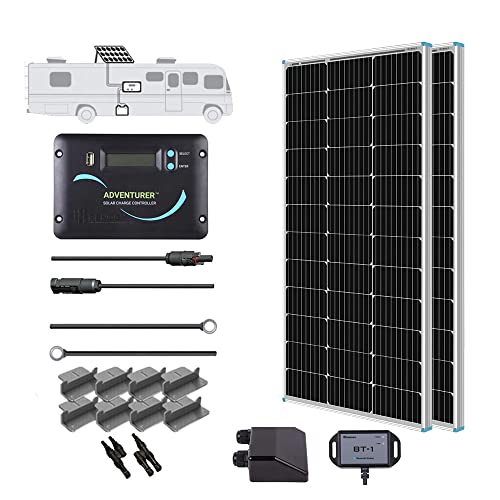
This kit centers on a compact 200W solar panel array with a 30A Adventurer PWM charge controller. Its 22% high-efficiency monocrystalline cells, corrosion-resistant frame, and weather-ready design suit RVs, boats, and trailers needing a smaller footprint. Best for travelers who want a reliable, straightforward system with solid outdoor durability. A note: real-world daily output depends on sun exposure and roof/wall mounting orientation.
Who it’s best for: RVers and trailer owners seeking a dependable, space-efficient solar setup with a clean installation on walls or rooftops.
Selected for: Balanced performance, simple integration with existing RV power systems, and robust outdoor materials.
Limitation: PWM controllers are less efficient than MPPT options in variable light, which slightly limits peak harvest in mixed conditions.
ECO-WORTHY 200W Complete Solar Panel Starter Kit

This beginner-friendly kit includes 200W of panels, a 30A controller, a 50Ah LiFePO4 battery, and a 600W inverter. It emphasizes ease of setup for RVs, campers, boats, and cabins, with an emphasis on stable daily output (up to about 800Wh under favorable sun). The LiFePO4 battery supports safe, long-lasting charging, while the N-Type panel design boosts efficiency in low-light conditions.
Who it’s best for: New solar users who want an all-in-one, ready-to-install package with a balanced mix of components.
Selected for: Convenience and a strong value proposition for a full starter system.
Limitation: The included battery is LiFePO4 with integrated charging limits; ensure compatibility with your vehicle’s electrical system and inverter sizing.
powkey Solar Powered Generator 200W with Panels

This portable power station integrates a 200W solar generator with a 40W solar panel and 146Wh capacity. It supports multiple charging options, including AC, car, and solar input, and provides real-time status indicators for recharging and use. The unit’s compact form factor and multiple outlets (AC, USB, DC) make it well suited for camping, emergency kits, and on-the-go power needs. Best for users who want flexible charging and easy transport.
Best for: Short trips or emergencies where portable, multi-outlet power is needed without heavy equipment.
Selected for: Portability and straightforward solar charging in a single package.
Limitation: Battery capacity is limited for long durations off-grid use; plan for higher energy needs on extended trips.
POWOXI 30W Solar Battery Charger

This 30W trickle charger features an integrated MPPT controller and IP67 waterproofing, designed for outdoor use. It continuously adjusts to optimize battery charging and maintains 12V lead-acid or similar batteries. Best for routine maintenance charging on trailers, boats, or RVs where a dedicated, weatherproof maintainer is needed. A caution: 30W is best for maintenance or small battery banks, not full power restoration.
Best for: Battery upkeep during travel or in shaded conditions where a steady trickle charge is sufficient.
Selected for: Integrated MPPT with a compact, durable form factor.
Limitation: Low output means it won’t power heavy loads or charge large batteries quickly.
ECO-WORTHY 9.36KWh 2340W Off-Grid Solar Power System Kit
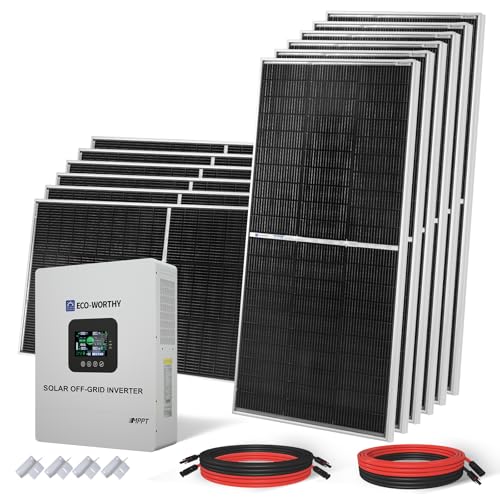
Designed for larger trailers, cabins, or farms, this 9.36KWh daily output kit uses 2340W of panels and a 5000W all-in-one inverter with a 100A MPPT controller. It offers robust off-grid power with multiple charging modes and a 48VDC to 110VAC smart inverter. Best for users needing a substantial energy backbone for extended trips or remote setups where grid power is unavailable. Caution: installation complexity and higher footprint than smaller kits.
Best for: Heavy-duty off-grid living or long-duration trips where power reliability matters.
Selected for: High daily energy output and all-in-one inverter solution for complex off-grid uses.
Buying Guide: How to Choose the Right Mobile Solar System
- Power needs: Estimate daily energy use (in Wh) and compare with the system’s expected output under typical sun. For trailers, aim for systems offering at least 600–800Wh daily in average sun, higher for larger setups.
- System type: Starter kits with all-in-one components simplify installation. More advanced builds may mix panels, controllers, and batteries for scalability.
- Controller technology: PWM controllers are simple and cost-effective; MPPT controllers extract more power, especially in variable lighting or cooler temps, but cost more.
- Battery chemistry: LiFePO4 batteries offer longer life and safety but cost more upfront; lead-acid options are cheaper but require more maintenance and weight handling.
- Portability vs. durability: For frequent moving or camping, prioritize compact, lightweight kits with weatherproof components. For a stationary trailer, weight and durability may take lower priority to output.
- Expansion potential: If planning longer trips or bigger devices, choose systems that allow adding panels, larger batteries, or a higher-capacity inverter without a full redesign.
- Installation considerations: Roof or wall mounting compatibility, space constraints, and your vehicle electrical system should guide mounting and wiring choices.
FAQ
- What size solar kit is best for a small trailer? A 100–200W panel kit with a 12V battery and a basic controller is typically enough for essential devices and lighting in a small trailer, depending on sun exposure.
- Is MPPT worth the extra cost for mobile setups? MPPT controllers generally offer more efficient charging, especially in varied light and cooler conditions, making them worth it for mobile systems with fluctuating sun.
- Can I run appliances directly from solar panels? Most mobile kits power devices through an inverter or dedicated DC/USB ports. Directly powering AC appliances from panels is not typical without an inverter.
- How do I choose between LiFePO4 and lead-acid batteries? LiFePO4 offers longer life, deeper discharge tolerance, and lighter weight, but higher upfront costs. Lead-acid is cheaper but heavier and shorter-lived.
- Can I upgrade my kit later? Many kits are modular. Check for compatible controllers, battery types, and panel junctions before upgrading to avoid hardware mismatches.
- What maintenance is required? Clean panels periodically, ensure connections are tight, and monitor battery health. Some kits include maintenance features to prevent sulfation or overcharge.