Best Residential Roof Wind Turbines for Efficient Attic Ventilation
Answering the need for energy-efficient attic ventilation, these residential roof wind turbines use wind power to exhaust hot air and draw in cooler air. They’re ideal for homes seeking a low-maintenance, electricity-free ventilation option. The top picks below cover a range of sizes and materials to fit different roof types and budgets. Best for preventing heat buildup in attics, reducing moisture, and extending roof life. Caution: verify compatibility with your roof pitch and any local building codes before installation.
| Product | Brand | Size | Best For |
|---|---|---|---|
| DioOnes Stainless Steel Turbine Roof Ventilator, 7.9 Inch | DioOnes | 7.9 inches | Residential attic ventilation where compact size matters |
| LOMANCO BIB14-BLK 14″ Aluminum Turbine Vent | Lomanco | 14 inches | Larger residential roofs needing strong airflow |
| GAF Master Flow 12 in. Mill Galvanized Steel Turbine | Master Flow | 12 inches | Durable, weather-resistant performance |
| 8in Roof Vent Cap Attic Fan, Stainless Steel | generic | 8 inches | Compact, corrosion-resistant option for smaller spaces |
| 14in Roof Vent Cap Attic Fan, Stainless Steel | generic | 14 inches | Maximum airflow for larger attic spaces |
DioOnes Stainless Steel Turbine Roof Ventilator, 7.9 Inch

This turbine is built from Premium 304 stainless steel for durability in all weather conditions. It uses a wind-driven mechanism to exhaust hot air and moisture without electricity, making it a good fit for homes seeking energy independence and quiet operation. Best for: installations where compact size matters and a corrosion-resistant build is valued. Limitation: smaller turbine diameter may provide less airflow in very large attics.
LOMANCO BIB14-BLK 14″ Aluminum Turbine Vent

Manufactured in aluminum, this 14-inch turbine provides robust airflow with a black finish that blends with many roof colors. It’s designed for residential use, offering good wind resistance and a clean aesthetic. Best for: homeowners needing a larger, visually discrete turbine. Caution: aluminum finishes may show wear over many years if exposed to harsh conditions without maintenance.
GAF Master Flow 12 in. Mill Galvanized Steel Internally Braced Dual-Bearing Wind Ventilation Roof Turbine – High Efficiency Attic Vent

Equipped with galvanized steel for rust resistance and a mill-finish for a professional look, this internal-braced turbine offers wind resistance and stability for attic ventilation. It’s a solid choice for durability-focused homes and roofs with standard pitches. Best for: homeowners who want a reliable, heavy-duty option. Limitation: heavier construction may require sturdier mounting hardware on steeper roofs.
8in Roof Vent Cap Attic Fan, Stainless Steel

This 8-inch non-powered vent cap uses thickened 304 stainless steel to resist rain, rust, and corrosion. It relies on natural wind to create vertical airflow and is designed for quiet, low-maintenance operation. Best for: smaller attic spaces and energy-conscious homes. Caution: airflow may be limited in light wind conditions or smaller roofs.
14in Roof Vent Cap Attic Fan, Stainless Steel
This 14-inch stainless steel cap offers substantial airflow with a robust, weatherproof design. It is suitable for larger attics or homes needing higher ventilation rates without electrical power. Best for: larger residential roofs or additions where extra ventilation is beneficial. Caution: larger diameter requires more roof clearance and appropriate flashing.
24in Turbine Vent, 600mm 304 Stainless Steel Chimney Cowl
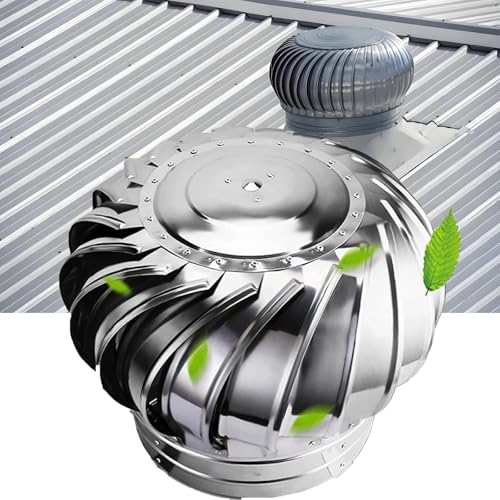
Although larger, this 24-inch turbine is designed for high-traffic or industrial-adjacent settings, featuring 304 stainless steel for corrosion resistance and a rainproof design that minimizes weather ingress. Best for: homes with very large roof areas or sheds seeking maximum airflow. Limitation: size requires substantial roof space and structural support.
Buying Guide: How To Choose A Residential Roof Wind Turbine
- Size matters: Match the turbine diameter to attic volume and roof area to ensure adequate airflow without over-ventilation.
- Material and finish: Stainless steel resists corrosion and weathering; aluminum is lighter and often finishes discreetly; galvanized steel offers durability with a heavy-duty look.
- Weather resistance: Look for rainproof caps that prevent water ingress while allowing air movement; consider models with silent operation for noise-sensitive homes.
- Installation: Check roof pitch compatibility, required mounting hardware, and whether the unit is designed for retrofit on existing vents or new install.
- Maintenance: Non-powered vents reduce maintenance; however, inspect for debris, rust, and insect ingress over time.
- Airflow versus energy savings: Larger diameters generally provide better airflow, improving attic cooling and moisture control, which can support longer roof life.
Frequently Asked Questions
- What is a wind turbine roof vent used for? It uses wind power to exhaust hot air and moisture from an attic, improving ventilation without electricity.
- Are wind turbine vents suitable for all roof types? They work on many standard residential roofs but require proper sizing and flashing to prevent leaks.
- Do these vents reduce energy bills? Indirectly; by lowering attic temperatures and moisture, they can reduce cooling loads and extend roof life.
- Is installation difficult? It varies by model; some are simple caps, others require mounting brackets and cutting into the roof. Follow manufacturer instructions.
- What maintenance is needed? Periodic cleaning, inspection for corrosion or wear, and ensuring no blockages in the vent path.
- Can I install multiple vents? Yes, for larger spaces or multi-story homes, but ensure the total airflow is balanced with attic size.