Best Wireless Programmable Thermostats for Home Comfort and Energy Savings
When choosing a wireless programmable thermostat, look for reliable scheduling, easy app control, and compatibility with your heating and cooling setup. This guide highlights five strong options for American homes, detailing who each is best for, plus practical buying tips. The top picks span Wi‑Fi connected models, color touchscreens, 7‑day programming, and simple installs for single‑stage systems. Ideal buyers range from tech‑savvy homeowners to renters seeking easy, energy‑saving controls.
| Product | Best For | Key Benefit |
|---|---|---|
| Honeywell Home RTH9585WF1004 | Smart homes seeking color screens | Customizable color display and broad compatibility |
| ecobee Smart Thermostat Essential | Energy savings with voice assistant integration | Energy savings and compatibility with major assistants |
| Google Nest Thermostat | Simple setup and energy awareness for general homes | Smart learning features and easy one‑wire setup |
| Honeywell Home RTH7600D | Traditional 7‑day programming with touchscreen | Clear weekly scheduling and hold options |
| Honeywell Home Programmable Thermostat (RTH20B) | Low‑cost programmable option for single‑stage systems | 5‑2 day programming in a compact unit |
Honeywell Home RTH9585WF1004 Wi‑Fi Color Thermostat
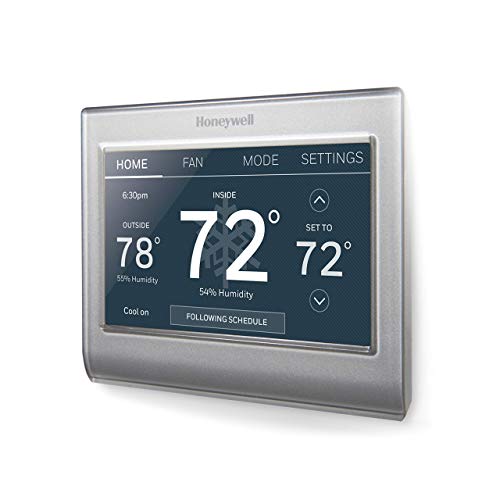
This Wi‑Fi color thermostat provides a 7‑day programmable schedule and supports integration with major voice assistants. Best for households that want a visually customizable display and remote control via an app. It’s suitable for homes that prioritize utility rebates or demand response programs. A potential limitation is the initial setup complexity for some users due to multiple features and app steps.
ecobee Smart Thermostat Essential

Energy Star certified and designed to work with Siri, Alexa, and Google Assistant, the ecobee Essential emphasizes energy savings with adaptive scheduling. It supports a broad range of systems and regularly receives software updates. It’s best for homes aiming to maximize energy savings through smart scheduling and voice control. A limitation is that compatibility should be checked against your HVAC system before purchase.
Google Nest Thermostat
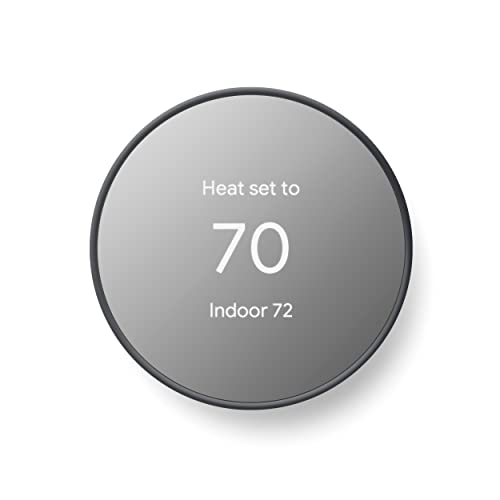
Energy Star certified with robust energy‑savvy features, the Nest Thermostat is designed for homes that want an intuitive, learning thermostat without a C wire in many setups. It’s best for users who value a simple setup and automatic adjustments to save energy. The caveat: some heating or cooling configurations may still require a C wire or compatible power accessory.
Honeywell Home RTH7600D 7‑Day Programmable

This 7‑day programmable thermostat uses a large touchscreen for easy setup and seasonal scheduling. It supports away and home temperature settings to help manage energy use when you’re away. Best for households that want a straightforward, proven scheduling interface. A potential limitation is fewer smart‑home features compared to newer Wi‑Fi models.
Suuwer Non‑Programmable Thermostat for 1 Heat/1 Cool

Selected for comparison to programmable options, this model is best for users with a single‑stage heat/cool system who prefer a basic, no‑fuss thermostat. It is not a wireless programmable model and should be avoided if wireless control or advanced scheduling is a priority. A notable limitation is its lack of programmability and connectivity compared to other picks in this guide.
Buying Guide: Key Considerations for Wireless Programmable Thermostats
- System compatibility: Verify your HVAC configuration (single‑stage vs multi‑stage, heat pump options, existing wiring) before buying.
- Wiring needs: Some models work without a C wire, while others require it for features like power and display stability.
- Connectivity: Decide between Wi‑Fi enabled thermostats for remote control and those that work primarily as local devices.
- Programming flexibility: Look for 7‑day programming, flexible scheduling, and holiday/temporary hold capabilities.
- Voice assistant compatibility: If you use Alexa, Google Assistant, or Siri, confirm integration support.
- Display and usability: Color screens, large text, and intuitive menus improve daily use and reduce misconfigurations.
- Energy savings features: Check for adaptive scheduling, energy reports, and compatibility with energy programs or rebates.
- Installation effort: Some models are designed for quick installs; others may require more technical wiring or professional help.
Frequently Asked Questions
- What is a wireless programmable thermostat?
A thermostat that connects to your home network and allows you to schedule and control heating and cooling remotely.
- Can I install a programmable thermostat myself?
Many models are designed for DIY installation, but follow the manufacturer’s wiring instructions and consider professional help if you’re uncertain about wiring safety.
- Do all programmable thermostats require a C wire?
No. Some models run on two wires or power themselves without a C wire, though functionality may vary.
- Will a programmable thermostat save energy?
Yes, by optimizing heating and cooling schedules and enabling remote adjustments when away from home.
- Which thermostat is best for a smart home?
Models with robust app control, energy reports, and voice assistant compatibility (such as ecobee Essential or Nest) tend to fit well in smart homes.
- How do I check compatibility with my HVAC system?
Use the product’s compatibility checker or consult the manufacturer’s support resources before purchasing.