Best Wind Turbine With Inverter for Home Energy and Off-Grid Power
If you’re seeking reliable home or off-grid power, a wind turbine with an inverter can translate wind into usable electricity. This guide compares five top options to help you choose based on your site wind, energy needs, and budget. The listed buyers are best for different setups: large-scale home power, small off-grid cabins, mobile homes, or marine/RV applications. Use the following table to quickly compare core specs and decide which product fits your situation.
| Product | Best For | Approx. Power Range | Inverter Type |
|---|---|---|---|
| 20000W Vertical Wind Turbine Generator Kit for Home Use | Large homes or workshops with steady wind | Up to 12000W continuous | Grid inverter with controller |
| Vertical Wind Turbines 3000w/8000w with Controller | Mid-size homes or off-grid setups | Up to 8000W | Controller + grid inverter |
| VEVOR 500W Wind Turbine Generator | RVs, boats, small cabins | 500W | MPPT controller |
| VEVOR 24V 1000W Solar Wind Power Kit | Residential off-grid with hybrid needs | ~1000W turbine | MPPT hybrid controller + inverter |
| 20000W Vertical Wind Turbine Generator for Home Use | Renewable energy enthusiasts with space for tall turbines | Up to 12000W (typical) | Controller + inverter |
20000W Vertical Wind Turbine Kit With Grid Inverter
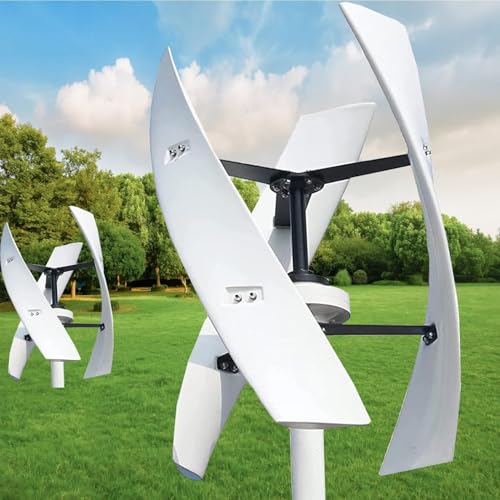
Best for: Eco-conscious homeowners with ample wind resources and space. The kit combines a high-capacity turbine with a grid-tensing inverter and a controller to feed household or small business loads. It uses nylon-fiber blades designed for durability and wide wind ranges, supporting low-wind operation and quiet performance.
Why selected: It targets higher energy needs while emphasizing low-noise operation and reliability across varying conditions.
Caution: Heavy equipment and mounting requirements may necessitate professional installation and structural assessment on some properties.
Vertical Wind Turbines 3000w/8000w With Controller And Inverter

Best for: Homes upgrading from smaller turbines or cabins needing robust performance in moderate wind. The design emphasizes 360-degree wind capture and a high-efficiency generator for sustained output.
Why selected: The combination of an optimized turbine blade design and a compact vertical-rotation system improves energy capture in fluctuating winds.
Caution: Installation alignment and local wind permits may affect setup timelines and system sizing.
VEVOR 500W Wind Turbine Generator Kit

Best for: Off-grid enthusiasts needing a compact, easy-to-manage wind kit for RVs, boats, or small cabins. The kit includes an MPPT controller to optimize charging under variable wind conditions.
Why selected: It offers a balance of simplicity and efficiency for small-space applications with a reliable MPPT controller.
Caution: Noise and vibration can vary with wind speed; ensure mounting minimizes vibration transmission to structures.
VEVOR 24V 1000W Solar Wind Power Kit
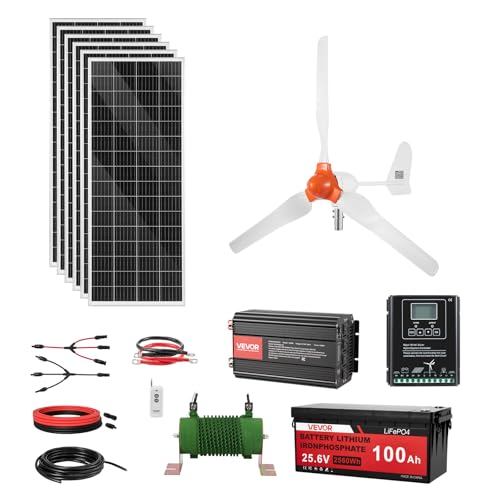
Best for: Homes or boats seeking a hybrid approach with solar plus wind in a single kit. The 24V system supports larger battery banks and inverters for diversified power needs.
Why selected: The kit emphasizes high-efficiency solar cells alongside wind, providing flexibility when wind is inconsistent.
Caution: Ensure your battery bank and inverter are sized to manage combined solar and wind output safely.
20000W Vertical Wind Turbine Generator For Home Use

Best for: Renewable energy enthusiasts with substantial wind and space, looking for a high-capacity vertical turbine with an integrated inverter and controller.
Why selected: Emphasizes a durable aluminum nacelle and a blade arc design to maximize wind resource utilization at higher power levels.
Caution: High installed height may require professional assessment and compliance with local zoning or building codes.
Buying Guide: Wind Turbine With Inverter
- Wind resource assessment: Estimate average wind speeds at your site. Higher capacity turbines only perform well with steady wind. Consider a professional wind audit if unsure.
- System size and energy goals: Match turbine wattage, inverter capacity, and battery storage to your daily energy needs. Oversizing can add cost without proportional benefit; undersizing reduces effectiveness.
- Inverter type and compatibility: Ensure the inverter matches your battery voltage (12V, 24V, 48V, or higher) and supports grid-tied or off-grid operation as needed.
- Blade design and noise: Look for low-noise blades and balanced rotors for quieter operation, especially near living spaces. Material durability matters in harsh weather.
- Mounting and installation: Vertical-axis and horizontal designs have different mounting requirements. Height, tower stability, and local permits should be considered.
- Durability and weather resistance: Aluminum or composite blades, corrosion-resistant components, and temperature tolerance expand lifespan in harsh environments.
- Maintenance and serviceability: Choose models with accessible components and clear wiring layouts for easier maintenance and troubleshooting.
- Safety and permits: Verify required permits, electrical codes, and setback requirements before installation.
FAQ
- Do wind turbines require a license or permit? Many areas require building permits and electrical permits. Check local regulations before installation.
- Will a wind turbine work in light winds? Some models start generating at low wind speeds, but efficiency improves with stronger wind. Look for low-startup speed specs.
- Can wind power be combined with solar? Yes. Hybrid kits optimize energy generation by using both wind and solar sources with a shared inverter/controller.
- Is professional installation necessary? For most grid-tied or larger systems, professional installation improves safety and code compliance. Small off-grid setups may be DIY with proper knowledge.
- How do I choose the right inverter? Match inverter voltage to your battery bank, confirm compatibility with grid-tied or off-grid operation, and verify surge capacity for startup loads.
- What maintenance is typical? Regular visual inspections, bearing checks, and wiring verification help sustain performance and safety over time.