Best Electric Vehicle Charging Station Equipment for Home &Amp; Workplace Use
Seeking reliable EV charging gear that balances speed, compatibility, and value? This guide highlights top charging station equipment and accessories that American buyers commonly need—from Level 2 home chargers to durable signage and mounting posts. The selections focus on practical use for commuters, small business fleets, and property owners who want clear, safe charging infrastructure. Each option includes why it’s a strong fit, who should consider it, and a primary limitation to watch.
Product Quick Reference
| Product | Best For | Why It Stands Out |
|---|---|---|
| EVDANCE Level 2 EV Charger | Home & small office users needing adjustable current | Flexible 10–40 A charging with 9.6 kW max and portable setup |
| SmartSign “Electric Vehicle Charging Station” Sign | Outdoor parking lots and facilities | 3M reflective, durable aluminum with long outdoor life |
| Electric Vehicle Charging Station Reserved Spot Sign | Dedicated EV parking areas | High-visibility signage on durable aluminum |
| LOTHID Wallbox Mounting Post | Safe, secure mounting for charging stations | Universal compatibility and space-efficient design |
| ChargePoint HomeFlex Level 2 EV Charger | Home charging with strong network support | Smart charging features and widespread network |
EVDANCE Level 2 EV Charger 40Amp

The EVDANCE Level 2 charger is designed for flexibility and speed in daily charging. It offers adjustable current settings from 10A to 40A and a 9.6 kW maximum output, targeting drivers who want faster replenishment without upgrading home electrical capacity. Best for households that occasionally require faster top-offs or work-site charging with varied vehicle types. A caveat: Tesla owners will need a separate J1772 to Tesla adapter, as the unit ships with a NEMA 14-50 plug.
Why this is a strong pick: The adjustable amperage and portable form factor make it ideal for homes with evolving charging needs or seasonal use. The NEMA 14-50 connection provides robust compatibility with many Level 2 systems, while the compact design helps with storage in garages or utility closets. Choose this if you value speed flexibility and a plug-and-play approach without dedicated wall mounting.
SmartSign “Electric Vehicle Charging Station” Sign

This 12″ x 18″ reflective sign uses 3M films on rustproof aluminum. It’s designed to be highly visible at night and endure outdoor conditions. It’s best for business and facility managers who need DOT-compliant, durable signage to mark EV charging zones clearly. Limitation: signage alone does not provide any electrical function; it complements installed charging hardware and pavement markings.
Why this is a strong pick: Official 3M materials and durable lamination ensure long outdoor life with weather and graffiti resistance. It improves wayfinding and safety around charging areas, reducing misparking and confusion for maximum throughput. Choose this if you manage retail, parking garages, or office campuses that require clear, durable signage.
Electric Vehicle Charging Station Reserved Spot Sign
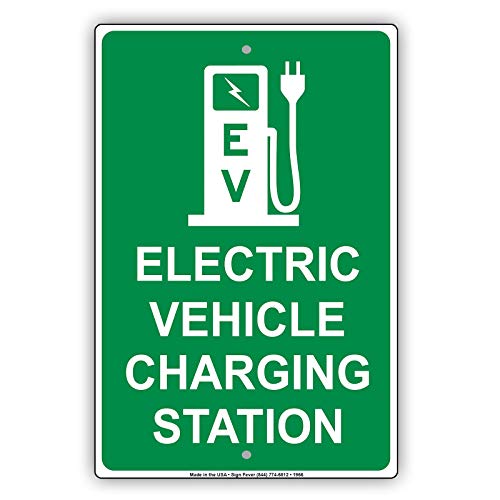
This aluminum sign plate marks dedicated EV charging spaces, helping enforce parking rules. The 8″x12″ size is compact enough for lot borders and handicap-accessible parking zones, while its environmental-friendly aluminum construction supports outdoor longevity. Best for property owners who want clear space allocation and reduced unauthorized use. Limitation: the sign doesn’t integrate with charging hardware; it serves a regulatory function.
LOTHID Wallbox Mounting Post

The LOTHID mounting post offers a sturdy solution for mounting charging stations. It emphasizes universal compatibility and space efficiency, with a design that accommodates various models and keeps cords organized. Best for homeowners or businesses seeking a secure, tidy installation with a clear mounting point. Limitation: installation requires proper anchoring and may need professional electrical support depending on local codes.
ChargePoint HomeFlex Level 2 EV Charger

ChargePoint HomeFlex offers smart features and broad network integration. Its Level 2 capability supports efficient home charging and remote management via the ChargePoint app. Best for households that want a future-proofed, connected charging experience and easy roaming across ChargePoint’s network. Caution: some functionalities require Wi-Fi or network connectivity for optimal performance and troubleshooting.
Tesla Universal Wall Connector

Though primarily designed for Tesla, this wall connector claims universal compatibility by supporting both NACS and J1772 connectors, enabling use with a wide range of North American EVs. Best for Tesla owners who want a high-amperage option with flexibility. Best for those who can manage the necessary configurations and professional installation. Limitation: exact adapter needs and compatibility can vary by model and electrical setup, so verify before purchase.
FROGBRO EVSE Charger Tester

This EVSE tester is designed for electrical safety and functional testing of charging equipment with Type 2 connectors. Best for facility managers and installers who need a simple way to validate charging station readiness and perform routine checks. Limitation: it’s a test device and not a full charging station, so use for verification rather than daily charging.
AplysiaTech Level 1+2 EV Charger

This portable charger supports Level 1 and Level 2 charging with a price-friendly 16A output and versatile plug options. Best for renters or travelers who need a flexible, portable charging solution. It includes multiple protective features and is compatible with 110–265V outlets. Limitation: lower amperage means slower charging compared to higher-amp Level 2 units.
Buying Guide: Key Considerations for EV Charging Station Equipment
- What charging speed do you need? For home use, a Level 2 charger (240V) is common, delivering 6–9 kW. If you have a larger home electrical service or a fleet, look for adjustable current (e.g., 10–40 A) to balance speed with capacity.
- Which connectors and adapters are essential? Verify compatibility with your vehicle(s). Some units use NEMA 14-50; others require J1772. Tesla owners may need adapters for certain non-Tesla stations.
- Is a smart network feature important? Chargers with app control, reminders, and roaming networks offer convenience for multiple users or business fleets. Consider Wi-Fi or cellular connectivity requirements for full functionality.
- What installation considerations matter? Wall-mounted vs. portable units affect space, safety, and expandability. Mounting posts and signage improve organization and compliance in shared spaces.
- Durability and outdoor readiness? Outdoor-rated signs and rustproof aluminum with reflective films help long-term visibility and weather resistance. Ensure signage complies with local regulations and DOT guidelines if applicable.
- What are the safety and warranty implications? Look for built-in protections (overcurrent, leakage, grounding) and clear installation instructions. In some cases, professional installation is recommended to meet electrical codes.
Frequently Asked Questions
- What is the difference between Level 1 and Level 2 charging? Level 1 uses a standard 120V outlet with slower charging; Level 2 uses 240V and delivers higher power for faster charging.
- Do I need a special adapter for my EV charger? Some vehicles require adapters for certain connectors. Check your car’s charging port and the charger’s compatibility options.
- Can I use signage alone to improve EV charging safety? Signage helps with visibility and space designation but does not provide charging power. Pair signage with properly installed charging hardware.
- Is smart charging worth it for a home setup? Smart features can optimize charging times, reduce peak demand, and help manage energy costs, especially if you have time-of-use rates.
- What should I consider when mounting a charger outside? Choose weatherproof, corrosion-resistant materials and ensure a secure mounting post or wall mount that complies with local electrical codes.
- How important is network access for charging stations? Network-enabled chargers offer better management, roaming options, and remote diagnostics, but may rely on stable Wi-Fi or cellular connectivity.