Best Drain Pipe Heat Tape for Winter Protection and Flow Reliability
When you need reliable freeze protection for water pipes and drains, choosing the right heat tape is essential. This guide highlights five effective options, each suitable for metal and plastic pipes, roofs, RVs, and more. It helps buyers identify who each product is best for, compares key features, and points out practical cautions. The top picks focus on self-regulating heat cables with built-in thermostats, ETL or CSA/ETL safety certification, and straightforward installation. Ideal buyers include homeowners needing residential protection, RV enthusiasts, and professionals seeking durable, energy-conscious solutions.
Product Snapshot
| Product | Best For | Key Benefit | Length/Power |
|---|---|---|---|
| Cupohus Heat Tape | Houses with moderate winters | Thermostat-based on/off with GFCI protection | 3 ft, 120V |
| HEATIT 30 ft Self-Regulating | Longer runs, budget-conscious | ETL listed, keeps flow to -40°F | 30 ft, 3W/ft |
| MAXKOSKO 6 Ft. 120 V | Compact installations | Self-regulating with low energy use | 6 ft, 5W/ft |
| HEATIT 40 ft Self-Regulating | Extended runs, safety-focused | ETL certified, protects at -40°F | 40 ft, 3W/ft |
| JDZKOMKE 50 ft(3 ft-200 ft) | Industrial-grade needs | Full cable certification, robust construction | 50 ft (varies with option) |
| HEATIT HISD 6 ft | Small to medium pipes | CSA & ETL certified, water-only use | 6 ft, 7W/ft |
| MAXKOSKO 6 Ft. 120 V Dual Lights | Varied residential setups | Dual-color status indicators, energy-smart | 6 ft, 5W/ft |
Cupohus Heat Tape With Thermostat, 3FT

Best for: lightweight, small-diameter piping in homes with moderate winter freezes. The Cupohus model provides full-length heating to keep water above 59°F (15°C) even when outdoor temperatures plummet. It targets water flow problems by actively warming the hose or pipe, helping prevent blockages from freezing water.
Why selected: It uses a thermostat-controlled approach to reduce energy waste. The system automatically starts when water drops below 41°F (5°C) and stops near 59°F (15°C). Built-in protection includes 120V operation with a ground fault circuit interrupter (GFCI) to discourage overheating or short circuits, and the outer wrap helps prevent water seepage from compromising the cable.
Caution: Designed for hoses and pipes; confirm compatibility with your pipe diameter and insulation to ensure even heat distribution. Do not rely on it for fuel lines or non-water uses.
HEATIT 30ft Self-Regulating Pipe Heating Cable

Best for: longer pipe runs with a focus on safety and certification. This 30-foot option balances length and output, keeping water flowing down to -40°F (-40°C). It includes a two-foot power cord and options from 3 ft to 160 ft, with strong liability backing for added buyer confidence.
Why selected: ETL certification ensures compliance with North American safety standards, and the fully certified heating cable reduces the risk of incomplete certification. It works with metal and plastic pipes, which broadens compatibility for various installations.
Caution: While certified, always verify that the entire length is installed per the manufacturer instructions to avoid heat gaps or overheating in bends and joints.
MAXKOSKO 6 Ft. 120 V Heating Cable

Best for: compact, short runs where space is constrained. This 6-foot length provides reliable frost protection for small sections of metal or plastic pipes, making it convenient for RVs, basements, or utility closets.
Why selected: Self-regulating heating technology minimizes energy use by adjusting output based on temperature. The included 3-foot power cord keeps the thermostat away from the plug, facilitating safer installations in tight spaces.
Caution: The shorter length may require multiple segments for longer pipes; plan routing carefully to avoid heat gaps at joints.
HEATIT 40 ft Self-Regulating Heating Cable
Best for: extended pipe runs where long protection is required. The 40-foot model provides extensive coverage with energy-saving 3W/ft and reliable freeze protection down to -40°F.
Why selected: ETL certification across the entire heating cable and plug adds safety assurance. It suits metal and plastic pipes and includes a power cord length suitable for longer installations, with coverage benefits for outdoor or exposed pipes.
Caution: Ensure adequate spacing and clearance when routing around corners or near insulation gaps to avoid overheating in confined spaces.
JDZKOMKE 50 ft Pipe Heating Cable

Best for: industrial or large residential runs needing robust protection. The 50-foot option is designed for both metal and plastic pipes, with emphasis on full-cable certification and durable construction.
Why selected: It features a multi-layer armor approach—copper core for even heating, aluminum shielding, and a weather-resistant outer jacket—providing protection in challenging environments. Includes a grounded plug and claims insurance-backed support for long-term use.
Caution: The heavier build may require more effort during installation in tight spaces; plan mounting and routing in advance to prevent interference with other systems.
HEATIT HISD 6 ft Heating Cable
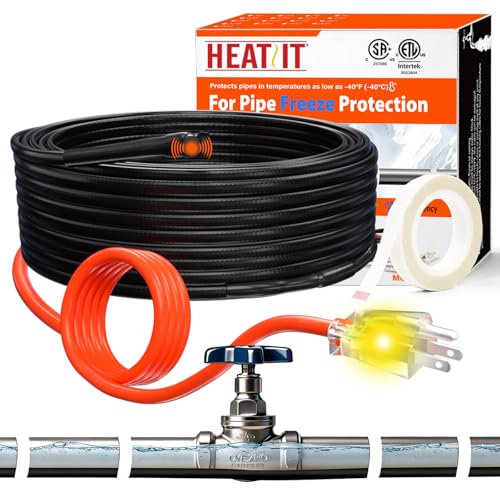
Best for: small-diameter pipes and tighter spaces where full-size cables don’t fit. The CSA and ETL certifications provide strong safety assurances, with a focus on water-filled plastics and metal pipes.
Why selected: This model emphasizes full certification across the heating cable, not just the plug, giving buyers confidence in safety and compliance. It’s explicitly designed for water-filled pipes and includes a protective two-year limited warranty framework for long-term reliability.
Caution: Not suitable for non-water uses; avoid installation on fuel lines or gutters to prevent heat-related damage or unsafe conditions.
MAXKOSKO 6 Ft. 120V Dual Lights
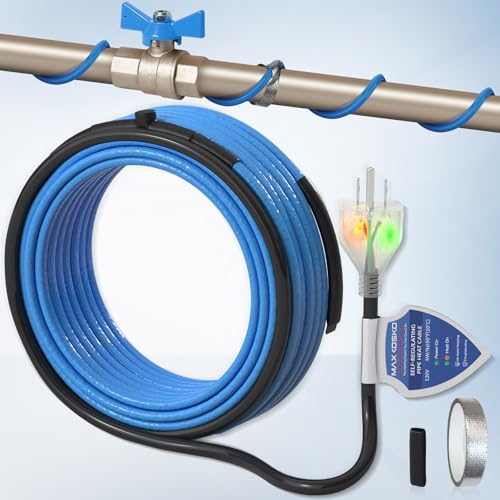
Best for: installations where immediate status feedback improves confidence. The dual-color lights indicate power on (green) and active heating (red), simplifying monitoring in chilly outdoor settings.
Why selected: The product combines self-regulating technology with visual indicators, helping users avoid unnecessary energy use while confirming heat activity. It’s built for -40°F protection and includes practical mounting accessories like aluminum foil tape and a waterproof end seal.
Caution: The dual-light feature is helpful, but does not replace proper insulation and weatherproofing around exposed pipes. Plan for edge cases where the heat tape may be exposed to direct sun or freezing gusts.
Buying Guide: Key Considerations For Drain Pipe Heat Tape
- Length and coverage: Measure the pipe length and include corners, bends, and joints. Longer cables cover more area, but require careful routing to avoid heat loss or damage.
- Safety certifications: Prefer ETL, CSA, or UL-listed cables that certify the entire heating system, not just the plug.
- Material compatibility: Ensure the cable works with metal and plastic pipes (copper, PVC, PEX, stainless steel) and is suitable for outdoor or uninsulated installations.
- Built-in thermostat vs. manual control: Thermostatic control reduces energy use by turning heat on and off at set temperatures, preventing unnecessary heating.
- Environment and installation: Consider moisture exposure, UV resistance, and potential chemical exposure. Choose IP-rated models for exposed areas and outdoor use.
- Warranty and insurance: Look for long-term warranties and liability coverage linked to the product for added protection.
- Ease of installation: Straight runs are easier; curved or buried installations require planning to maintain heat consistency and avoid shorts.
- Budget vs. benefits: Higher-priced, certified cables usually offer broader coverage, longer life, and stronger safety assurances.
Frequently Asked Questions
- What is drain pipe heat tape best used for?
It protects water-filled pipes and drains from freezing, maintaining flow in cold weather by heating the pipe when needed.
- Do these cables need a special outlet?
Most models operate on standard 120V outlets and require a GFCI-protected outlet for added safety.
- Are self-regulating cables safer than constant-power tapes?
Yes. Self-regulating cables adjust heat output based on temperature, reducing energy use and minimizing overheating risk.
- Can I install heat tape on both metal and plastic pipes?
Yes. The best options are rated for both metal and plastic piping to maximize compatibility.
- What maintenance is needed?
Regularly inspect for moisture intrusion, damaged insulation, and secure mounting. Replace any damaged sections promptly.
- Is a warranty important?
Warranties and product liability coverage add peace of mind for long-term use in harsh winter conditions.