Best Water Tank Depth Sensor Systems for Real-Time Monitoring
Choosing the right water tank depth sensor depends on your setup, range needs, and how many tanks you need to monitor. For remote locations, LoRa-based sensors offer long-range reliability. For homes or small farms, WiFi-based ultrasonic sensors provide easy integration with existing networks. This guide selects five practical options, highlighting who each model is best for and why.
| Product | Best For | Key Strength |
|---|---|---|
| YoLink YS7905 Smart Water Depth Sensor | Rural properties needing long-range | Ultra long-range LoRa connectivity |
| Smart WiFi Water Level Sensor ME201W | Homes and small facilities | Multi-tank support with Tuya/Smart Life |
| MorayELEC ME201W Smart WiFi Sensor | Remote monitoring with simple setup | 10-tank monitoring via Tuya |
| Mopeka Pro Check Universal Sensor | RV and outdoor tanks | Mobile app with high accuracy |
| Mulcort Wireless Ultrasonic Level Gauge | Comprehensive level and temp data | LCD display with alarms |
YoLink Smart Water Depth Sensor (YS7905)

Best for long-range, outdoor, or remote tanks. This compact depth sensor uses LoRa to maintain reliable communication over open air ranges up to a quarter mile, making it ideal for basements, detached structures, rainwater tanks, or remote ponds. It can trigger real-time alerts and export historical data for trend analysis, helping operators maintain water levels without constant site visits.
Who it’s for: property owners with spread-out tanks, remote farms, or facilities lacking robust WiFi. Why selected: unmatched LoRa range and real-time alerting enable continuous monitoring in challenging locations.
Caution: Requires a compatible hub or gateway for LoRa connectivity and cloud access. Ensure line-of-sight or appropriate routing for best performance.
GuardFlow Smart WiFi Water Level Sensor ME201W
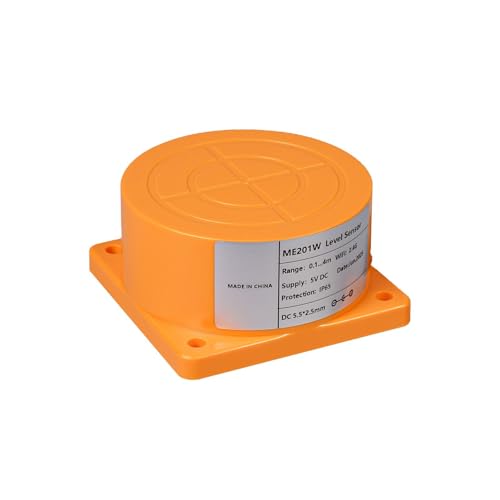
Best for homes and facilities seeking user-friendly remote monitoring with multi-tank support. The ME201W uses 2.4 GHz WiFi for reliable connectivity and supports monitoring up to 10 tanks, including water, oil, and fuel, via Tuya Smart Life or similar apps. It uses an ultrasonic sensing method, reducing clog risk and maintenance needs compared with mechanical floats.
Who it’s for: households, school facilities, or small farms needing centralized monitoring. Why selected: strong multi-tank coverage with straightforward setup and app-based monitoring.
Caution: Requires stable WiFi and a compatible app account. Network outages can interrupt data visibility until reconnected.
Moray Smart WiFi Water Level Sensor (ME201W)

Best for remote monitoring with broad tank compatibility. This LoRa-free, WiFi-based sensor supports up to 10 tanks and uses ultrasonic sensing across 4 inches to 157 inches range. It emphasizes easy local calibration and reliable 2.4 GHz connectivity to the Tuya ecosystem for smart home integration.
Who it’s for: users who want straightforward remote monitoring across multiple tanks without specialist gateways. Why selected: flexible multi-tank support with simple setup and robust WiFi stability.
Caution: Performance depends on a solid WiFi signal; obstacles can reduce range and reliability.
Mopeka Pro Check Universal Sensor

Best for RVs, campers, and outdoor tanks. The Pro Check Universal uses Bluetooth for direct communication with a mobile app, offering high accuracy for aluminum, plastic, and most tanks (excluding some composite materials). It can monitor various liquids including water and propane by connecting to compatible devices and is designed for long-lasting battery life.
Who it’s for: mobile users and outdoor setups where WiFi or cellular coverage is spotty. Why selected: strong on-site data access with user-friendly Bluetooth connectivity and long battery life.
Caution: Bluetooth range is limited; use within proximity of a connected device for real-time updates.
Mulcort Wireless Ultrasonic Level Gauge

Best for households or facilities needing a combined liquid level and temperature readout. This ultrasonic wireless gauge displays a clear LCD bar graph of current liquid levels and includes temperature measurements, supporting alarms for high/low levels and empty tanks. It integrates with wireless monitoring for quick visual checks and historical reference.
Who it’s for: users who want quick, at-a-glance level indicators plus temperature data. Why selected: the LCD visualization and alarms add situational awareness in one unit.
Caution: The display may require interpretation with some tank shapes; verify compatibility with your tank geometry before installation.
Buying Guide
What type of depth sensor should I choose?
- LoRa vs. WiFi: Choose LoRa if your tanks are spread far apart or in locations with unreliable WiFi. Choose WiFi for sites with solid home or office network coverage and easy smart-home integration.
- Sensor technology: Ultrasonic is common for water and liquid levels and reduces clog risk compared to float sensors. Bluetooth is suitable for close-range monitoring in mobile setups.
- Multi-tank support: If you manage multiple tanks, prioritize sensors that can track several tanks from a single app.
What installation considerations matter?
- Calibration and mounting height: Ensure the sensor height aligns with expected maximum liquid depth. Calibrate to prevent false readings.
- Power supply: Battery options vary from long-life batteries to solar-powered designs. Assess maintenance needs and climate conditions.
- Data access: Look for exportable history, trend charts, and alert channels (app, email, SMS) to suit your notification preferences.
How should I evaluate reliability?
- Range and barrier considerations: Obstacles like walls, metal structures, or dense foliage can affect wireless performance. Opt for devices with known good performance in similar environments.
- Alert customization: The ability to set threshold levels and time-based alerts helps avoid alert fatigue while ensuring critical levels are noticed.
Frequently Asked Questions
- What is a water tank depth sensor best used for? Answer: It monitors liquid levels in tanks, ponds, gutters, and similar vessels, enabling timely refills or alerts for low levels.
- Can I monitor multiple tanks with one sensor? Answer: Some models support multi-tank monitoring; verify the listed capacity (often up to 10 tanks) before purchasing.
- Do I need a hub or gateway? Answer: LoRa devices typically require a gateway, while WiFi-based sensors rely on your existing network. Bluetooth options may require proximity to a phone or hub.
- Are ultrasonic sensors prone to false readings? Answer: Ultrasonic sensors reduce clogging and provide reliable readings, but calibration and mounting conditions influence accuracy.
- Which sensor is easiest to install for a smart home beginner? Answer: WiFi-based ME201W or similar models with plug-and-play setup typically offer the smoothest onboarding.
- What maintenance is required? Answer: Periodic calibration checks and battery replacements (where applicable) help maintain accuracy and reliability.