Best Single Phase Isolator Switches for Safe Electrical Isolation
Answering the need for reliable single-phase isolation, this guide highlights robust isolator switches that keep equipment safe during maintenance, startup, or emergency shutdowns. It targets buyers planning electrical installations in workshops or small commercial setups, where a compact, dependable switch is essential. The top five selections below balance weather resistance, ease of use, and compatibility with common single-phase systems. A quick summary table follows to compare key details at a glance.
| Product | Brand | Voltage | Poles | |
|---|---|---|---|---|
| 40Amp Disconnect Box Outdoor | ZJWZJH | 690V | 4 | Outdoor PV/machine control with IP66 protection |
| POWERTEC 120/230V Dual Voltage | POWERTEC | 120/230V | 2 | Woodworking machines on 120V or 230V |
| 1PCS Waterproof Outdoor Isolator Switch MUKF-4 | KCAFMXGBE | 380V | 4 | Outdoor single/3-phase isolation |
| Electrical Buddy GLD11 40A | Electrical Buddy | 690V | 3 | Three-phase changeover with 40A rating |
| 1PCS Waterproof Outdoor Isolator Switch MUKF-4 (63A) | KCAFMXGBE | 380V | 4 | Outdoor isolation for higher 63A rating |
40Amp Outdoor Isolator Switch Box, 4 Pole, IP66

Best for: outdoor installations in harsh environments, such as PV arrays or machinery in exposed settings. This 40 Amp, 690V four-pole disconnect box is designed for reliable emergency disconnection and safety switching. The IP66 rating protects against windblown dust, rain, and hose-directed water, making it well-suited for weather exposure and corrosive environments. UKCA, CE, TUV, and RoHS listings add assurance for compliance. A potential limitation is its higher current and 4-pole footprint, which may be bulkier for compact control panels.
POWERTEC 120/230V Dual Voltage Safety Power Switch
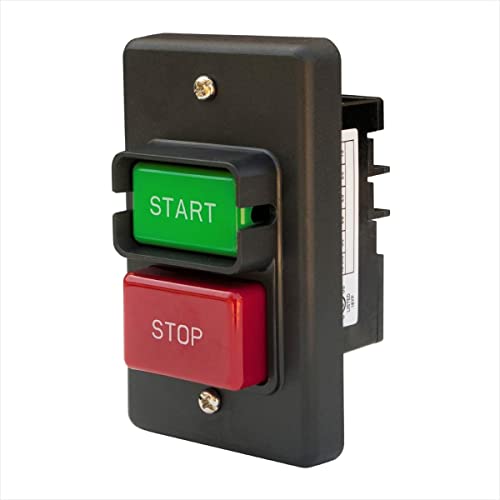
Best for: woodworking hobbyists or small shops needing a dual-voltage, single-phase control solution. This paddle on/off switch supports both 120V and 230V, with dual-pole switching to interlock both live conductors. It’s compatible with a wide range of tools like table saws, routers, and drill presses. The main caveat is that motor startup current and load determine whether 2 HP (at 120V) or other ratings apply, so verify your machine’s requirements to ensure safe operation.
1PCS Waterproof Outdoor Isolator Switch MUKF-4 Single/3-Phase 380V

Best for: outdoor 380V single/three-phase isolation with solid plastic housing. This MUKF-4 switch covers a range of current options and is suitable for applications where weather resistance is critical. The 380V rating broadens compatibility for higher voltage systems, albeit at a smaller set of available current options. Consider this choice when you need a simple, cost-effective outdoor isolator for diverse phase configurations.
1PCS Waterproof Safety Load Isolator Switch

Best for: environments requiring a rugged single or three-phase isolator with water resistance. The model supports 20A/35A/63A variants in a single device, making it flexible for light-to-moderate load equipment. A limitation to note is the plastic construction, which may be less robust in extremely harsh mechanical settings compared with metal enclosures.
MUKF-4 Outdoor Isolator Switch 20A/35A/63A (63A)
Best for: higher current outdoor isolation with 63A capability. This variant expands the same waterproof design to accommodate heavier loads, suitable for larger single-phase or light three-phase circuits in outdoor environments. If space is limited, verify the enclosure footprint before selection, as a 63A unit can be bulkier than smaller variants.
Buying Guide: Key Purchase Considerations
- Voltage and current requirements: Match the isolator’s voltage rating and current capacity to your equipment. Higher voltage devices expand compatibility but may require larger enclosures.
- Phase configuration: Decide between single-phase and three-phase models. For most home workshops, single-phase is sufficient, but certain tools or motors may demand three-phase readiness.
- Enclosure rating: Outdoor use benefits from IP ratings (like IP66) to resist dust and water ingress. Indoor controls may not require such protection, saving cost and space.
- Pole count and wiring: Four-pole units offer separate isolation for each line in three-phase setups; two-pole units are common for single-phase circuits. Consider future upgrades and wiring complexity.
- Durability and material: Plastic housings are common and cost-effective; metal enclosures offer greater impact resistance and shielding in harsh environments.
- Compliance: Look for listings (CE, UKCA, RoHS, TUV) to ensure adherence to regional electrical standards and safer installations.
- Installation ease: Deep switch boxes and included hardware can simplify mounting in gang boxes or control panels. Verify required torque and mounting depth to avoid misfit.
FAQ
- What is a single-phase isolator switch used for?
– It provides a simple, safe method to disconnect a single-phase electrical circuit for maintenance or emergency shutdowns. - Which is better for outdoor use, plastic or metal housings?
– For outdoor exposure, IP-rated plastic or metal housings with corrosion resistance are both viable; the choice depends on environmental conditions and durability needs. - Do I need four poles for a single-phase system?
– Not necessarily. A two-pole isolator can be sufficient for single-phase circuits, but four-pole units are common when separating all conductors in a three-phase setup or for motor control. - How do I choose the right current rating?
– Compare the switch’s current rating with the running current of your equipment and allow a buffer for startup surges to prevent nuisance tripping. - Can I mix outdoor-rated switches with indoor panels?
– Outdoor-rated devices should be installed in weather-protected or outdoor-rated enclosures to maintain performance and safety. - What standards should I look for on a new isolator?
– Seek listings such as CE, UKCA, RoHS, and RoHS-like certifications, and ensure compatibility with your local electrical codes.