Best Electrical Load Monitoring Equipment for Precise Power Management
When selecting electrical load monitoring equipment, look for accurate measurement, multiple testing modes, and clear data reporting. This guide covers five top products suited for different buyers—from DIY hobbyists to professional installers—so you can pick the best fit for your need, environment, and workflow. The table below summarizes key details to help quick comparisons.
| Product | Best For | Main Benefit |
|---|---|---|
| YERTAI ET5407A+ | DIY hobbyists and enthusiasts | Multiple testing modes and USB/SCPI control |
| AEMC DL914 | Professional data logging and remote monitoring | Four channels and built-in Wi‑Fi for remote access |
| ITECH IT8511G+ | Laboratories and design engineers | Seven operating modes and ripple measurement |
| Proteus C5 | Home or small office with network alerts | WiFi connectivity with email/text alerts |
| KNMIPJD 4P 63A | Electrical panels and safety setups | Real‑time protection thresholds and comprehensive monitoring |
YERTAI ET5407A+ Electronic Load Tester

The YERTAI ET5407A+ is a programmable single-channel electronic load tester rated for up to 200W and 30A. It offers high-resolution measurements (1 mV/10 mV and 1 mA/10 mA) and a backlit LCD for easy reading. The device supports multiple basic modes, including CC, CV, CR, and CP, plus battery, dynamic, and short-circuit testing. USB connectivity enables remote control via computer; software and SCPI access may be available through the supplier. This model is best for individuals or professionals who need precise voltage, current, and power monitoring in a compact tester. Caution: ensure compatibility with your control software and firmware before purchase.
Who this is best for: Engineers, technicians, and enthusiasts performing battery tests, power supply validation, or component characterization in bench environments. Choose this if you need high-resolution measurements and the option to automate tests via USB/SCPI.
AEMC DL914 Four-Channel AC Current Data Logger

The AEMC DL914 provides four channels of AC current data logging with integral 24-inch flexible current sensors. It supports current measurements from 0.5 A up to 3600 A and includes a built-in web server for remote monitoring. This setup is suitable for electricians and facility managers who need to monitor multiple circuits remotely and collect regression data over time. Limitation: verify sensor compatibility with your wiring and ensure network access for the web server feature.
Who this is best for: Professionals needing multi-channel monitoring and remote access for ongoing electrical system surveillance or commissioning tests. Opt for this if you require centralized data viewing or integration with DataView software.
ITECH IT8511G+ Programmable DC Electronic Load

The IT8511G+ is a programmable DC electronic load supporting up to 150V, 30A, and 150W total. It includes seven operating modes (CC, CV, CR, CW, CR+CC, CV+CC, CR-) and a built‑in ripple measurement function for detailed signal analysis. This device suits lab environments and design validation workflows where precise control of voltage and current ramps matters. Caution: ensure the software and protocol compatibility with your testing framework before purchase.
Who this is best for: Lab researchers, electronics designers, and power electronics developers who need multiple test profiles and ripple data for accurate device characterization. Choose this if ripple-aware testing is a priority.
Proteus C5 WiFi Electric Load Sensor
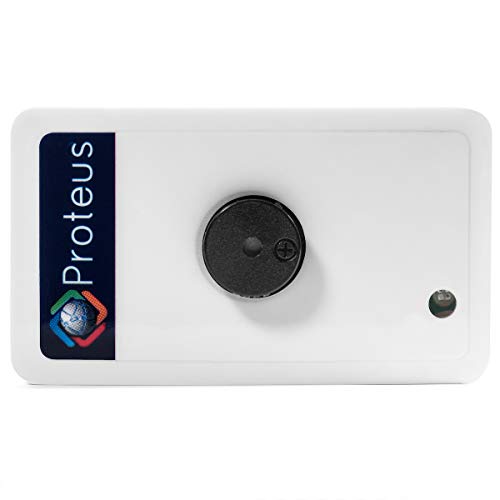
The Proteus C5 is a WiFi-enabled electric load sensor designed to monitor equipment activity with alerting. It can notify users by email or text when devices turn on or off, making it useful for building automation and energy management. It connects directly to home or office WiFi without a hub. A 12-foot extension cable is included for flexible placement. Limitation: requires a stable WiFi network to ensure timely alerts.
Who this is best for: Homeowners, remote facilities, or small offices looking for real-time status alerts without complex infrastructure. Choose this if you want simple, network-based monitoring with notifications.
KNMIPJD 4P 63A Over/Under Voltage Protection

This device provides true RMS monitoring of voltage and current with a six-LED display for real-time readings. It offers comprehensive protections, including over-voltage, under-voltage, phase sequence, three-phase unbalance, and over-current protection with adjustable trip values and recovery delay. Adjustable thresholds cover 130–300V for over-voltage, 80–210V for under-voltage, and 1–63A for over-current. Best for critical electrical panels and safety-focused installations. Limitation: application is primarily for protective monitoring rather than continuous data logging.
Who this is best for: Electrical safety engineers and panel installers who need configurable protection thresholds to safeguard equipment and personnel. Choose this for robust, real-time protective monitoring in complex systems.
Buying Guide
What measurement modes do you need?
Consider devices with CC, CV, CR, and CP or similar modes. Additional ripple or spectrum analysis is helpful for high-frequency power supplies. For multi‑channel setups, ensure the device supports multiple sensors or channels.
Remote access and automation
If you require data logging and automation, look for USB/SCPI support, built-in Wi‑Fi, or web servers. This enables software-driven test sequences and centralized monitoring across sites.
Display, readability, and environment
Backlit LCDs and color screens improve readability in bright or dim labs. Consider enclosure size, input connectors, and cooling for continuous operation in warm environments.
Safety and protection features
Over-voltage, under-voltage, current protection, and fault-recovery options help prevent damage to test objects and the device. Adjustable trip thresholds provide flexibility for different applications.
Cost of ownership and compatibility
Evaluate software licensing, firmware updates, and compatibility with existing test benches. Some models may require supplier software or SCPI packages for full functionality.
What to buy for specific needs
- For bench testing and precise control: IT8511G+ or YERTAI ET5407A+.
- For multi-channel logging and remote monitoring: AEMC DL914.
- For network alerts and home/office use: Proteus C5.
- For panel safety and real-time protection: KNMIPJD 4P 63A.
FAQ
- What is the main difference between a DC electronic load and an AC current data logger?
- Do these devices require software to operate?
- Can I use these devices for both hobby projects and professional testing?
- Is remote monitoring essential for load testing?
- What should I consider when choosing a protection device?
- Are there safety considerations for high-current testing?
A DC electronic load regulates voltage or current for testing power supplies and batteries, while an AC current data logger records AC current across multiple channels for monitoring and analysis of electrical usage.
Many models offer USB or Wi‑Fi interfaces and may require supplier software or SCPI commands for full functionality, especially for automated tests and data logging.
Yes, several models balance user-friendly interfaces with professional features. Choose based on required precision, modes, and data connectivity.
Remote monitoring is advantageous for ongoing surveillance, especially in facilities or lab environments where access is limited or multiple circuits must be observed simultaneously.
Look for adjustable trip thresholds, clear readouts, and comprehensive protection functions to match your system’s voltage, current, and fault tolerance needs.
Yes. Use properly rated equipment, follow electrical safety guidelines, and ensure that test setups are within device specifications to reduce risk of damage or injury.