Best Electric Condensing Tankless Water Heaters and Top Alternatives for On‑Demand Hot Water
Answer: Electric condensing tankless water heaters offer compact, highly efficient on-demand hot water for homes with reliable electrical service. They are best for small-to-midsize homes, apartments, or spaces where gas lines aren’t available. The top electric options provide precise temperature control, space-saving installation, and high energy efficiency. For households needing broader capacity or gas compatibility, several high‑efficiency gas tankless models from reputable brands can be strong alternatives. Below, you’ll find five strong picks with clear use cases and practical considerations.
Quick comparison table
| Product | |||
|---|---|---|---|
| Rheem 18kW 240V Electric Water Heater | Electric | Up to 4.4 GPM | Small homes, apartments, or point-of-use needs |
| Rheem RTEX-24 24kW Electric | Electric | Up to 4.0–4.5+ GPM (varies by incoming water temp) | Homes with robust electrical service and high hot-water demand |
| Rheem RTG-84DVLN-3 (Gas Condensing) | Gas Condensing | 8.4 GPM / 180,000 BTU | Two–to–three bathroom homes needing reliable gas heat |
| Rinnai RXP199iN Smart Sense | Gas Condensing | Up to 11.1 GPM / 199,000 BTU | Large homes with simultaneous hot-water loads |
| Rheem RTG-70DVLP-3 (Gas LP) | Gas Non-Condensing | 7.0 GPM / 160,000 BTU | Outdoor installations and moderate hot-water needs |
Note: The following sections describe each selection with focus on how the product fits electric condensing tankless needs, and where gas units may still be relevant for comparison. Each entry identifies the best-use scenarios and any practical limitations to consider before purchase.
Rheem 18kW 240V Electric Water Heater

The Rheem 18kW 240V Electric Water Heater uses electric immersion elements with advanced thermostatic control. It features a digital or analog style control and a compact design suitable for utility rooms or closets. This model is best for smaller homes, apartments, or bathroom applications where only modest hot-water demand exists. A key benefit is precise temperature control, typically with positive response to demand. A potential limitation is that high-flow needs may require larger electrical service or a second unit in some setups.
Best for: small households, apartments, or supplemental hot-water zones where gas is unavailable or undesirable.
Rheem RTEX-24 24kW Electric
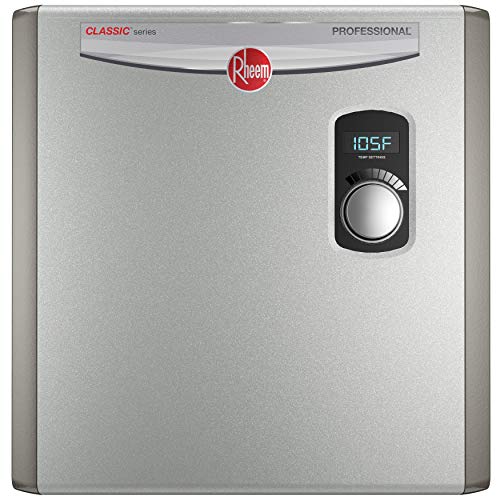
The Rheem RTEX-24 offers higher power and a compact footprint designed for homes with strong electrical service. It supports continuous hot water with adjustable temperature control across a broad range. This unit is best for medium-to-large homes where multiple fixtures may draw water at once. A limitation is the need for sufficient electrical capacity and proper panel space; improper installation can limit performance or safety.
Best for: homes with a robust electrical service and higher hot-water demand, seeking precise on-demand performance.
Rheem RTG-70DVLP-3 Gas Indoor Tankless

This gas model delivers up to 7.0 GPM and is designed for indoor installation with a compact cabinet. It is a strong alternative when gas supply exists and electricity is limited or costlier. For buyers comparing electric versus gas, this unit emphasizes consistent gas-fired performance and broad availability of hot water. A caution is that gas units require venting and gas line considerations, which can influence installation costs and space planning.
Best for: homes where a gas-fired, compact tankless solution is preferred or required by local codes.
Rheem RTG-84DVLN-3 Indoor Gas Tankless

With 8.4 GPM and 180,000 BTU, this indoor gas model is well-suited for homes that require reliable, on-demand hot water across multiple fixtures. It’s best for mid-size homes and households with concurrent hot-water use. A limitation is the need for proper ventilation and professional installation. Its non-condensing design may have different energy-expense implications compared to condensing models.
Best for: indoor gas-based installations where high hot-water flow is needed without an exterior venting constraint.
Rheem RTGH Series 8.4 GPM Gas Tankless (RRTGH84DVLN3701171)
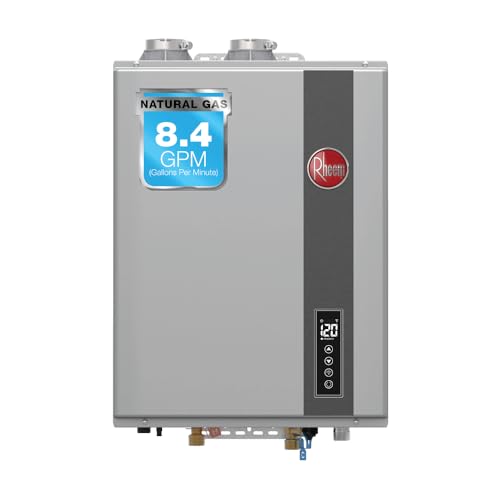
This indoor gas unit provides 8.4 GPM with 180,000 BTU, designed for homes with moderate-to-high hot-water needs. It is ideal for two to three bathrooms and can handle simultaneous draws, such as showers and laundry. A caution is that venting and gas line requirements must be properly addressed during installation. This model is a solid alternative when electric options cannot meet demand or when gas is preferred.
Best for: mid-sized households that require reliable, continuous hot water with gas power and indoor installation flexibility.
Buying Guide: Key Considerations For On-Demand Water Heating
How much hot water do you need?
Estimate daily hot-water usage by fixtures and peak simultaneous draw. Electric units typically deliver lower GPM at high water temperature rises, while gas models often provide higher GPM at lower energy costs during peak demand. Consider a staged approach if you have variable loads.
Electrical service and space
Electric tankless heaters require a robust electrical service and dedicated circuit capacity. Ensure your panel can handle the load, and plan for space in a utility area. Gas units require venting and access to a gas line, which affects installation scope and cost.
Efficiency and operating costs
Condensing models maximize energy efficiency by reclaiming heat from exhaust. Compare energy factors and local utility rates to estimate operating costs. Condensing gas units generally offer higher flow at similar efficiency levels to many electric options.
Installation considerations
Indoor installations may be more convenient in some climates, but venting and clearance requirements affect placement. Outdoor models require weatherproofing and exposure handling. Professional installation ensures code compliance and safe venting or electrical connections.
Temperature control and usability
High-precision thermostats help maintain comfortable output but may require longer setup to optimize for your climate. Look for models with adjustable temperature ranges and intuitive controls to minimize temperature fluctuations.
Maintenance and serviceability
Some models include features that simplify maintenance, such as quick flush or descaling capabilities for mineral-rich water. Regular maintenance can extend the life and performance of a tankless system.
Safety and certifications
Check venting, electrical, and gas installation requirements and ensure regulators or local codes approve the installation. Look for units with safety features like flame sensing and overheat protection.
FAQ
- Can I use an electric tankless heater in a large house? Yes, but you may need multiple units or a high-capacity model and robust electrical service to meet peak demand.
- Do electric condensing tankless heaters require venting? Electric models typically do not require venting, which simplifies installation compared to gas units.
- What is GPM, and why does it matter? GPM is gallons per minute. It measures how much hot water the unit can deliver at a given temperature rise; higher GPM suits busier households.
- Are gas tankless heaters more powerful than electric ones? In many cases, gas units deliver higher GPM at lower temperature rises, which can be advantageous for larger homes with high concurrent demand.
- Is professional installation required? For gas models and many high-powered electric units, yes, to ensure proper venting, electrical connections, and code compliance.