Best 190 Watt Solar Panels for RVs, Boats, and Off-Grid Power
Need reliable 190-watt solar panels for off-grid charging, RVs, boats, or tiny homes? This guide highlights five strong options and explains who each is best for. The selections focus on compact efficiency, durable construction, and easy installation to help you compare quickly.
| Product | Best For | |
|---|---|---|
| HQST 190W 12V Monocrystalline Solar Panel | Compact power for boats and RVs with easy mounting | High efficiency with durable frame |
| Renogy 200W N-Type Solar Panel | Tight spaces in Class B vans and mobile setups | 25% efficiency; lighter and smaller for the same power |
| Zamp Solar Portable Kit, 190W | Portable, requires minimal roof space | Foldable design with 15A 5-stage controller |
| Callsun N-Type 16BB 200W (Bifacial) | Maximize output in RVs with anti-shade and bifacial tech | 25% efficiency; bifacial design |
| Rvpozwer 200W N-Type 18BB | Long-term off-grid reliability for rooftops and farms | 25% efficiency; 18BB technology |
HQST 190W 12V Monocrystalline Panel
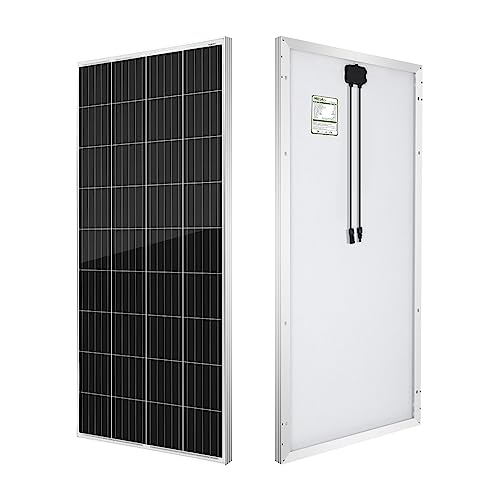
Best for: small boats or RV battery charging where space is at a premium. This HQST panel emphasizes high module efficiency with monocrystalline cells and bypass diodes to minimize power drop in shade. It’s built with a corrosion-resistant frame and can withstand high wind and snow loads, making it suitable for varied outdoor conditions.
Why selected: The combination of high efficiency and robust outdoor durability makes this panel a reliable choice for compact installations where space efficiency matters and long-term exposure is expected.
Caution: Pre-drilled back holes support mounting, but ensure your chosen mounting system matches the panel’s hole pattern for a secure fit.
Renogy 200W N-Type Solar Panel

Best for: Class B vans or small spaces needing high efficiency with flexible installation. The 200W N-Type panel uses 25% cell efficiency with 16BB busbars, enabling strong performance in heat and limited space. Its lighter, smaller profile helps fit tight roof spaces without sacrificing power.
Why selected: Its improved efficiency and reduced microcrack risk due to N-Type technology provide dependable power in mobile setups that demand compact footprints.
Caution: Designed for 12V/24V systems; verify battery configuration compatibility before installation.
ZAMP Portable Solar Kit (190W)

Best for: RV owners who want a portable, stow-and-go solar solution. This kit delivers 190 watts from a monocrystalline panel and includes a 15A 5-stage controller for smart charging. The compact folding design enhances transport and storage convenience.
Why selected: The portability of a 39.5 x 22 inch closed form makes it ideal for campers or docks where roof space is limited and you want a plug-and-play option.
Limitation: It is a portable kit rather than a roof-mounted panel, so you’ll rely on a separate mounting approach for permanent RV installations.
Rvpozwer 200W N-Type 18BB Panel

Best for: rooftop installations on RVs or homes requiring robust 18BB cell technology for higher conversion efficiency. The panel advertises 25% efficiency with N-Type cells and a corrosion-resistant frame suitable for outdoor use.
Why selected: The 18BB design aims to improve long-term performance and durability, especially in challenging climates where sustained energy output matters most.
Caution: Data notes EL testing and durability claims; verify mounting compatibility with your roof and hardware before purchase.
Go Power Overlander Kit 200W

Best for: RV users who want a higher power system with expandability. The kit offers 200 watts of output and includes a Bluetooth PWM controller, with expansion capability up to 600 watts when more panels are added.
Why selected: The expandable nature lets buyers scale their system over time, ensuring continued compatibility with growing energy needs for extended trips.
Caution: The controller is rated at 30 amps; ensure wire sizing and battery charging plans align with potential system expansions.
Buying Guide
What to consider when choosing a 190-200W solar panel system for RVs and off-grid use:
- System type: Roof-mounted vs. portable kit. Roof panels save space but require permanent installation; portable kits offer flexibility but need storage and mounting when in use.
- Technology: N-Type vs P-Type cells. N-Type cells often deliver higher efficiency and better performance in heat, with reduced microcrack risk.
- Cell efficiency: Look for panels around 23–25% efficiency for the best power output in limited space.
- Busbars and anti-shade design: Panels with 16BB/18BB busbars and twin-module or anti-shade features improve output under partial shading.
- Durability: Aluminum frame quality, wind and snow load ratings, and EL-testing indicate long-term reliability in outdoor environments.
- Expansion potential: If future power needs may grow, choose systems that support controller upgrades or additional panels.
- Installation considerations: Pre-drilled holes, compatible mounting hardware, and mounting angles affect ease of setup.
Compared across options, the HQST and Renogy panels emphasize compact efficiency for tight spaces, while the Zamp, Callsun, and Rvpozwer lines focus on durability and advanced cell technology. The Go Power kit stands out for expandability and integrated controller availability, suitable for users planning a scalable system.
Frequently Asked Questions
- What wattage should I choose for limited RV roof space? — A 190–200W panel is a good balance of power and space, especially when paired with an efficient charge controller and proper sun exposure.
- Are N-Type panels better for RV use? — N-Type panels generally offer higher efficiency and better shade tolerance, which is helpful in mobile setups with variable sun.
- Is a portable solar kit a good replacement for a roof panel? — Portable kits are ideal for temporary setups and where roof installation isn’t possible; for permanent RV roofs, a fixed panel often performs better long-term.
- Do I need a special controller with a 190W panel? — Most 190–200W panels work with standard 12V/24V PWM or MPPT controllers; confirm your kit includes compatible electronics and wiring for safe charging.
- Can these panels withstand harsh weather? — Look for corrosion-resistant frames, wind and snow load ratings, and EL-tested modules to ensure durability in outdoor use.
- What maintenance is required? — Panels are generally maintenance-free beyond occasional cleaning; ensure connections remain dry and corrosion-free.