Best Solar Sump Pump Battery Backup Solutions for Power Outages
When outages threaten basement flooding, a reliable solar sump pump battery backup is essential. This guide highlights five top options that suit different needs—from heavy-duty backup in storm-prone areas to portable, off-grid readiness for cabins and remote sites. The selected products balance power, runtime, and ease of use, helping you pick the best fit for your sump pump and home setup. The buyer profiles below show who benefits most from each option.
Summary of selected products
| Product | Best For | Key Strength |
|---|---|---|
| VEVOR 2000W Sump Pump Battery Backup | Homes needing strong, automatic backup for 2 pumps | High power, auto-switch to battery, real-time LCD |
| HQST 2000W Pure Sine Wave Inverter | Mid-size sump pumps with reliable output | 5-second boost, stable 12V to 110V/120V |
| PECRON Portable Power Station F3000LFP | Off-grid homes, camping, RVs needing large capacity | 3600W surge, 3072Wh LiFePO4, multi-charge options |
| ExpertPower Deep Cycle Battery 12V 100Ah | Permanent battery bank for backups | Maintenance-free SLA AGM, rugged, UL certified |
| Casil 12V 75Ah Deep Cycle AGM Battery | Compact, reliable backup for sump pumps | Deep-cycle AGM, spill-proof and maintenance-free |
VEVOR 2000W Sump Pump Battery Backup

The VEVOR unit delivers 2000W of output with an 18.2A operating current and dual outlets, supporting two sump pumps. It automatically shifts to battery power during outages, ensuring continuous operation. This makes it a strong choice for homes with a single high-demand sump pump or two smaller units. The real-time LCD, LED indicators, and quick-plug 3-pin design make installation straightforward and transparent for monitoring voltage and battery status. Best for homeowners seeking robust, automatic backup with clear on-device information.
Who it’s best for: buyers needing high-end backup capacity and automatic transition during outages. Limitation: relies on a compatible battery or integrated system for optimal runtime; verify wiring compatibility for your pumps.
ML100-12 12V 100Ah SLA AGM Battery
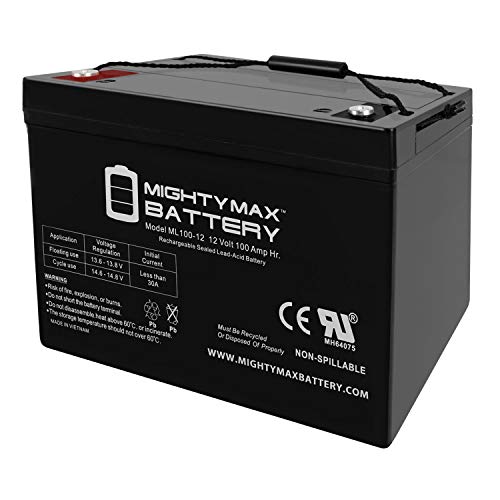
The Mighty Max ML100-12 is a 12V 100Ah sealed lead-acid (SLA) AGM battery, maintenance-free and UL certified. It’s compact enough for smaller backup systems and can be integrated into a home backup scheme with compatible inverters. This option is well-suited for users who want a reliable, long-lasting battery in a compact package. Caution: SLA/AGM batteries require proper ventilation and secure mounting to avoid hazards in enclosed spaces.
Back Up Battery 12V DC for Standalone Backup

Produced in the United States, this 12V DC backup battery is designed for DC sump pump systems and solar installations. It’s a practical choice for DIY setups where a simple, dependable backup power source is needed. Best for straightforward DC pump backups with minimal added components. Limitation: may require additional hardware to integrate with an inverter or solar charging setup.
HQST 2000W Pure Sine Wave Inverter

The HQST inverter converts 12V DC to 110V/120V AC with a continuous 2000W and a 4000W peak, ideal for sump pumps and other heavy loads. It features a 5-second boost to handle startup surges and a remote LCD for monitoring. This makes it a strong option for users who want stable power without abrupt drops during blackouts. Best for: users needing reliable surge support and a remote display. Caution: ensure your battery bank can support peak loads without excessive drain.
PECRON Portable Power Station F3000LFP
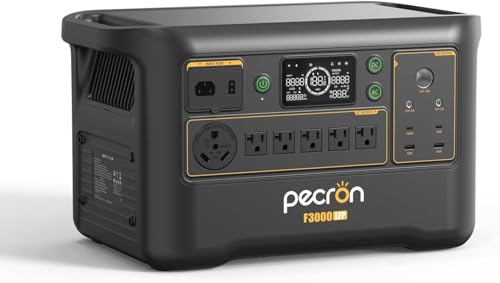
The PECRON F3000LFP offers 3072Wh of LiFePO4 capacity with 3600W peak output, supporting up to 13 devices simultaneously. It provides rapid charging (1800W) and multiple charging paths, including solar compatibility up to 1600W. This makes it a versatile choice for home backup, camping, RV trips, and solar-ready installations. Best for: large-capacity, versatile off-grid backup. Limitation: high initial cost and larger footprint compared to smaller options.
Buying Guide: Key Considerations For Solar Sump Pump Backups
- Power needs: Assess your sump pump wattage and startup surge. Choose a unit with sufficient continuous and peak power to prevent startup failures during outages.
- Battery type: AGM/SLA batteries are maintenance-free but heavier. LiFePO4 offers longer life and lighter weight but higher upfront cost. Consider the total runtime you require per outage.
- Ease of integration: Look for units with clear monitoring displays, simple plug-in connections, and compatibility with existing inverters or solar setups.
- Expansion potential: If you anticipate upgrading pumps or adding more devices, pick a system that supports additional batteries or higher-capacity configurations.
- Safety and placement: Ensure adequate ventilation for batteries, secure mounting in a protected area, and adherence to local electrical codes.
FAQ
- What is a sump pump battery backup and how does it work? A backup system provides power to a sump pump during outages, automatically switching from utility power to stored battery power to prevent basement flooding.
- Which battery type lasts longest for sump backup? LiFePO4 batteries generally offer longer cycle life and better durability, but high-quality AGM batteries can be reliable and cost-effective for many setups.
- Do I need a dedicated inverter for my sump pump backup? Many backups include an inverter; if not, you’ll need a separate inverter rated for the pump’s startup surge.
- How do I estimate runtime? Runtime depends on pump wattage, surge demand, battery capacity (Ah), and inverter efficiency. Use the product’s specifications and a simple calculation: runtime ≈ (Battery Wh) / (Pump W / inverter efficiency).
- Can I use solar to recharge during a storm? Yes, many systems support solar charging. Ensure your solar input is compatible with your inverter and battery chemistry.
- Is professional installation required? For most fixed setups, professional electrical work is advised to ensure code compliance and safe operation.