Best 240V Portable Electric Heaters for Garages, Workshops, and More
Finding a reliable 240V portable electric heater can be essential for keeping large spaces warm during winter projects. This guide reviews five strong options designed for garages, workshops, and sheds, highlighting power, versatility, and safety features. Each heater offers different heat outputs, mounting possibilities, and portability to fit diverse spaces and budgets.
| Product | Brand | Power (W) | Use Case |
|---|---|---|---|
| DR218-3000W | DR. INFRARED HEATER | 3000 | Greenhouses, workshops |
| Fahrenheat NPH4A | Fahrenheat | 2667-4000 | Garages, worksites |
| DR-PS11024 | DR. INFRARED HEATER | 10000 | Large spaces, construction sites |
| Dura Heat 3750W | Dura Heat | 3750 | Garage, workshop |
| King Electric PGH2440TB | KING | 3750 | Residential and light industrial |
The following profiles showcase five 240V portable electric heaters that balance performance with safety. Each entry includes a concise overview, key features, and practical considerations to help you choose the right unit for your space.
DR. INFRARED HEATER DR218-3000W Review

Compact 3000-watt infrared heater designed for spaces like greenhouses and workshops. It offers high and low settings to tailor warmth and helps maintain an optimum climate for tender plants or work areas. Its IPX4 rating provides splash resistance, making it better suited for damp environments where dew or light splashes occur.
Key considerations: Infrared warmth focuses heat where people and equipment are, which can improve perceived warmth and comfort. The unit’s water splash protection adds resilience in semi-outdoor spaces. Consider ceiling or wall mounting for optimal airflow, and ensure a dedicated circuit is available to avoid tripping breakers during peak operation.
Fahrenheat NPH4A Freestanding 240V Heater

This freestanding unit offers flexibility with a built-in carry handle and a 6 ft cord, letting you relocate warmth quickly around a workspace. With two heat settings at 2667W and 4000W, it supports both spot heating and larger space warming. The design supports mounting options on walls or ceilings, expanding how you can place heat where needed during projects.
Key considerations: Portable design suits temporary or evolving layouts, but ensure adequate clearance from combustible materials. For long sessions in garages, pairing with a thermostat-controlled setup can help maintain steady temperatures and reduce energy usage.
DR. INFRARED HEATER DR-PS11024 10000-Watt

A high-capacity 10,000-watt portable heater suitable for larger spaces or demanding environments. It is floor-mounted and requires a 55-amp circuit, reflecting its industrial-grade power. The heavy-duty steel frame includes protective guards on intake and output ends to improve safety in busy shop settings.
Key considerations: Ensure electrical supply meets amperage requirements and that you have ample ventilation to support continuous operation. This model is best suited for builders, barns, or warehouses where robust, rapid heating is essential and electrical capacity is available.
Dura Heat 12,800 BTU 3750W Electric Heater

This 240V forced-air heater delivers about 12,800 BTU (approx. 3750W) and is designed for garages and workshops requiring robust, consistent warmth. It supports wall or ceiling mounting and includes safety features like overheat protection, making it a practical solution for medium to large spaces with frequent activity.
Key considerations: Forced-air units can move dust and fumes; use in well-ventilated spaces and follow clearance guidelines. A thermostat-compatible setup can help maintain steady temperatures, reducing energy consumption during extended use.
King Electric PGH2440TB 3750W Garage Heater
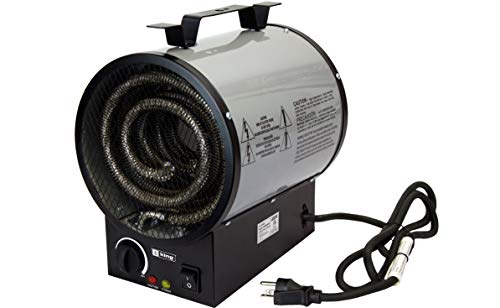
This 3750W garage heater combines economical operation with a built-in thermostat and a finish highly resistant to scratches and rust. Its portable design supports flexible placement and quick warmth in typical garage setups, making it suitable for ongoing workshop use or seasonal projects.
Key considerations: Look for models with integrated thermostats to reduce overshoot and hot-cold cycles. Check mounting options to ensure compatible walls or ceilings and confirm adequate clearance from flammable materials and tools.
Buying Guide: Key Purchase Considerations
Selecting a 240V portable electric heater involves balancing space size, heat output, and electrical capacity. The following perspectives help cover common needs and constraints.
- Space and heat requirements: For large garages and workshops, higher wattage (3500W – 10000W) can deliver faster, more uniform warmth. For smaller rooms, a 1500W–3000W unit may suffice.
- Power supply and wiring: Confirm your electrical system can safely support the unit’s amperage. Some high-output models require dedicated circuits or 240V outlets with sufficient amperage to prevent tripping breakers.
- Heat delivery method: Infrared heaters provide targeted warmth directly to people and objects, while forced-air heaters distribute warm air to the entire space. Consider which method aligns with your workflow and space layout.
- Mounting and portability: Freestanding units offer mobility, while wall or ceiling-mounted options save floor space. Assess obstacles in your workspace to determine the best mounting approach.
- Thermostat and controls: Built-in thermostats help maintain steady temperatures and energy efficiency. Look for units with adjustable settings and safety features like overheat protection and guards on intake/output ends.
- Electrical safety and durability: Choose heaters with sturdy frames and protective housings, especially in environments with dust, moisture, or heavy equipment. IP ratings and safety certifications add confidence for long-term use.
- Maintenance and lifespan: Durable steel housings and reliable components can extend equipment life. Regular inspection of cords, plugs, and mounting hardware reduces risk during operation.
- Cost versus utility: While higher-wattage models may cost more upfront, they can lower operating time and improve comfort in large spaces. Evaluate your typical winter duration and usage patterns to determine the best balance.
Each option above provides a distinct blend of power, portability, and safety features. When choosing, align the heater with your space dimensions, electrical capacity, and desired heating approach to ensure reliable warmth throughout the season.