Best Quiet 2000-Watt Generators for Home and Camping
For reliable backup power or peaceful camping trips, a compact, quiet generator around 2000 watts is ideal. This guide highlights five top models known for low noise, steady power, and portability. Each entry covers how the unit performs, ideal use cases, and key features to help you compare options for home, RV, or outdoor adventures.
Summary of selected products:
| Product | Brand | Rated Running Watts | Approximate Noise | Run Time (at a moderate load) | Key Feature |
|---|---|---|---|---|---|
| GENMAX GM2000i | GENMAX | 1600 | As low as 60 dBA | Up to 8 hours (1 gallon tank) | Ultra light, Eco Mode, inverter power |
| WEN 56235i | WEN | 1900 | Quiet operation comparable to normal conversation | Longer runtime not specified in brief | Ultra lightweight, fuel efficiency |
| RAD2200i | RINADURS | 1800 | As low as 58 dB | Up to 13 hours at 25% load (with Eco Mode) | Eco mode for efficiency |
| Oxseryn Portable 2500W | Oxseryn | 1800 running / 2500 peak | Multi-port output with quiet operation | Up to 9.5 hours at 25% load | Parallel capable, EPA Compliant |
| ERAYAK 2400W | ERAYAK | 1800 | 52.5 dB at 7 meters (quiet) | Compact and portable for camping and home backup | Eco Mode, EPA Compliant |
GENMAX GM2000i Portable Inverter Generator
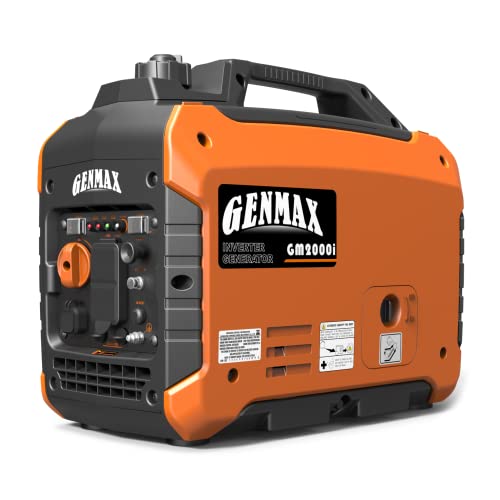
The GENMAX GM2000i pairs a 79.7cc four-stroke OHV engine with inverter technology to deliver 2000 starting watts and 1600 running watts with low total harmonic distortion (<3%). It is designed to power sensitive electronics like TVs, laptops, and phones with stable, clean power. Weighing roughly 34 pounds, it prioritizes portability, and Eco Mode boosts fuel efficiency for longer outings. Noise output can be as low as 60 dBA, helping it blend into campgrounds or quiet neighborhoods.
WEN Super Quiet 2350-Watt Inverter Generator
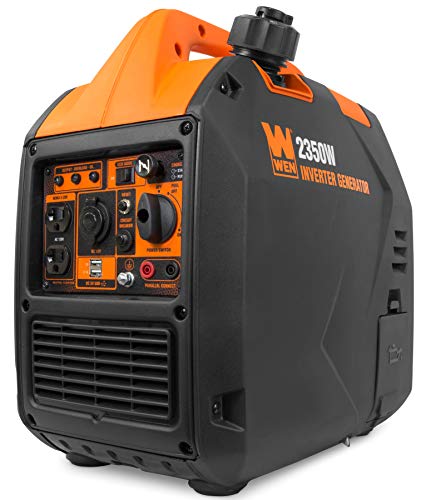
The WEN 56235i offers a compact 39-pound frame and an inverter system that produces 2350 surge watts and 1900 running watts. Its operation is described as extremely quiet—comparable to normal conversation—making it suitable for quiet camping, RV parks, or apartment-friendly use. The design emphasizes portability and efficient fuel use, helping to extend runtimes on lighter loads.
RINADURS RAD2200i Inverter Generator

The RAD2200i uses an 80cc four-stroke engine to deliver 1800 running watts and 2000 peak watts. It features advanced inverter technology for clean, stable power with less than 3% THD. With a weight around 41.2 pounds and a quiet operation level starting near 58 dB, it suits family backup plans and camping trips. Eco Mode optimizes fuel efficiency, extending runtime on a 1.5-gallon tank—up to roughly half a day at moderate loads.
Oxseryn 2500W Portable Inverter Generator

Oxseryn’s 2500W inverter generator uses a 79.8cc four-stroke OHV engine to deliver 2500 peak watts and 1800 running watts. It offers a 1.1-gallon fuel tank with a built-in indicator and a runtime up to about 9.5 hours at 25% load. It supports parallel operation and Eco Mode, making it versatile for camping, home backup, and other outdoor activities while keeping power clean and dependable for electronics.
ERAYAK 2400W Portable Inverter Generator

The ERAYAK 2400W generator offers 1800 running watts and 2400 peak watts with a compact footprint and EPA compliance. It delivers low-noise operation at about 52.5 dB at seven meters under 25% load. Eco Mode adapts engine speed to optimize fuel usage while maintaining stable output, making it well-suited for camping, RV sites, or emergency home backup where quiet performance is valued.
BILT HARD 2500W Inverter Generator
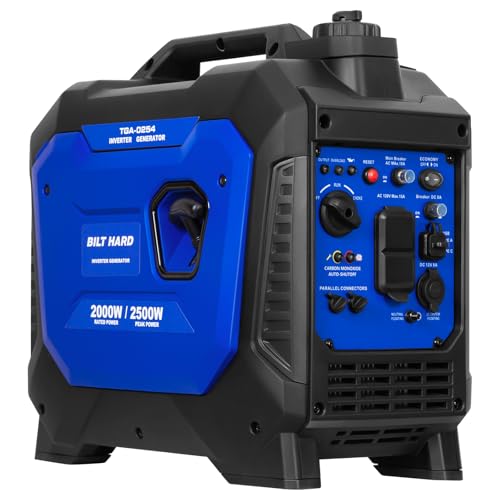
The BILT HARD unit delivers 2500 starting watts and 2000 running watts from an 80cc OHV engine. It includes dual 120V outlets and a 12V DC output, with pure sine wave power (<3% THD) suitable for sensitive devices. Runtime is moderate with a 1.11-gallon tank, and its CO sensor adds a safety feature for home or camp use. This model is parallel-ready for expanded power when needed.
Buying a quiet generator involves balancing power needs with noise tolerance, fuel efficiency, and portability. The five selections above emphasize low noise, inverter stability, and practical runtimes, making them suitable for camping, RV living, or as a dependable home backup. When choosing, consider peak versus running watts, noise ratings at typical distances, fuel economy, parallel capability, and whether you need extra ports for charging multiple devices.
Buying Guide: Key Purchase Considerations
- Power needs: Determine the essential devices you plan to run and choose a generator with sufficient running watts plus some reserve for startup surges.
- Noise levels: Look for models specifying low dB at a reasonable distance (often 7–23 feet). Inverter technology typically provides quieter, cleaner power.
- Fuel efficiency: Eco or economy modes extend runtime and reduce fuel consumption, beneficial for camping and long outages.
- Portability: Weight and handle design affect how easily you can move the unit. Sub-40 to 50-pound models are common for portable use.
- Runtime and fuel tank: A larger tank improves endurance, but true runtime depends on load. Check typical hours at a given percentage load.
- Outlets and ports: Ensure the unit offers the necessary outlets (120V, USB, Type-C, DC) and consider parallel capability if you might expand power later.
- Safety features: Look for CO sensors, automatic shutoff on low oil, and sturdy envelope for outdoor use.
- EPA and compliance: If you’re using the generator where emissions rules apply, verify EPA and local compliance.