Best Programmable Line Voltage Thermostats for Efficient Electric Heating
Choosing a programmable line voltage thermostat can help optimize comfort and energy savings for electric baseboards, convectors, and other high-voltage heating systems. This guide reviews five top options, highlighting program features, installation considerations, and how they perform in real-world scenarios. Whether you need simple non-programmable control or a feature-rich smart thermostat, you’ll find practical insights to compare models side-by-side.
Summary of chosen products:
| Product | Brand | Voltage / Type | Key Feature |
|---|---|---|---|
| TL7235A1003 Line Volt Pro Non-Programmable | Honeywell | 240V, Non-Programmable | Electronic temperature control, backlight, low-noise operation |
| TL8230A1003 Line Volt Thermostat | Honeywell | 208/240V, 7-Day Programmable | Up to 20% energy savings with precise control |
| CT410B Manual 4 Wire | Honeywell Home | 120-240V, Non-Programmable | Simple, reliable bimetal sensor |
| Mysa Smart Thermostat LITE | Mysa | 120-240V, Wi-Fi programmable | Smart home integration and app control |
| meross Matter Smart Thermostat | meross | 120-240V, Programmable | Matter compatibility and voice control |
Honeywell TL7235A1003 Line Volt Pro Non-Programmable Digital Thermostat

The TL7235A1003 is a simple, non-programmable line voltage thermostat designed for 240-volt systems. It offers an easy-to-read display with an on-demand backlight, which improves visibility in dim environments. The device emphasizes quiet operation with soundproofing to reduce the characteristic clicking of older thermostats. It provides straightforward electronic temperature control and an at-a-glance heating indicator, making it ideal for users who want reliable, fuss-free temperature management without scheduling features.
Installation and use focus on reliability rather than automation. The TL7235A1003 fits electric baseboard or convector heaters and can be a good replacement for older line voltage thermostats where users prioritize simplicity, silent switching, and clear status indicators. This model does not support programming, so it suits rooms that require consistent temperature settings rather than varied daily schedules.
Why it matters for energy use: while it lacks a programmable schedule, consistent regulation helps avoid overheating and reduces waste heat. For occupants who value minimal maintenance and a clean, quiet operation, this Honeywell model balances practicality with essential control features.
Honeywell TL8230A1003 Line Volt Thermostat 240/208 VAC 7 Day Programmable
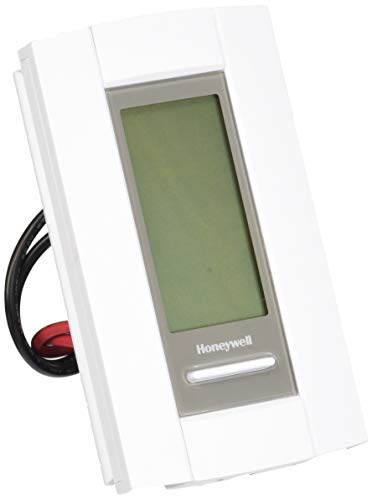
The TL8230A1003 is a 7-day programmable line voltage thermostat designed for 208/240V systems. It enables pre-set programming to achieve up to 20% energy savings by tailoring schedules to daily routines. The thermostat features electronic temperature control with a precision of ±1°F, which can translate into meaningful savings on heating costs over time. It supports 4-wire, double-pole operation, and is designed to minimize audible click noise, improving comfort in living spaces and bedrooms alike.
Key benefits include energy-aware scheduling, compatibility with higher voltage heating setups, and a design that emphasizes quiet operation. The device is well-suited for homes with consistent daily patterns or those seeking to reduce energy use without sacrificing comfort. Its programmability makes it a strong choice for households that want to automate heating based on occupancy and time of day.
For installation considerations: ensure the system is a 208/240V setup and that wiring matches the 4-wire, double-pole configuration. Battery-free operation means reliability in the long term, with reduced maintenance concerns compared to battery-powered models.
Honeywell Home CT410B Manual 4 Wire Premium Baseboard/Line Volt Thermostat
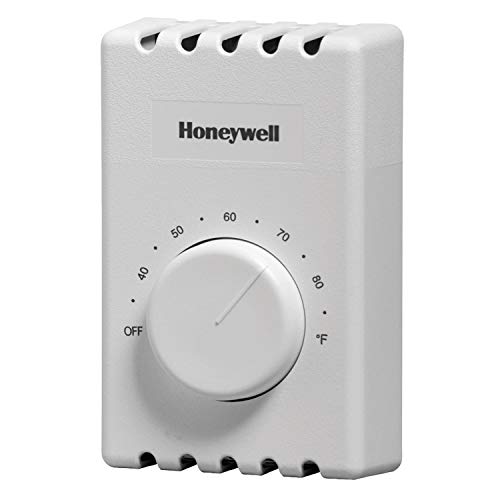
The CT410B1017 is a manual, 4-wire line voltage thermostat designed for baseboard heaters and similar electric heating setups. It uses a simple bimetal temperature sensor for dependable operation and straightforward control. This model is compatible with 120-240V circuits and is particularly suitable for users who prefer a non-programmable, mechanical approach to temperature management. Its robust design emphasizes reliability and ease of use in rooms where a fixed setpoint is preferred.
Considerations for choosing CT410B include the balance between manual control simplicity and the need for precise, programmable schedules. The lack of digital programming means less complexity, but it also means fewer opportunities for energy optimization through scheduling. It’s a practical choice for spaces where temperature consistency is the primary goal and the user wants a low-maintenance option.
Mysa Smart Thermostat LITE – Line Voltage
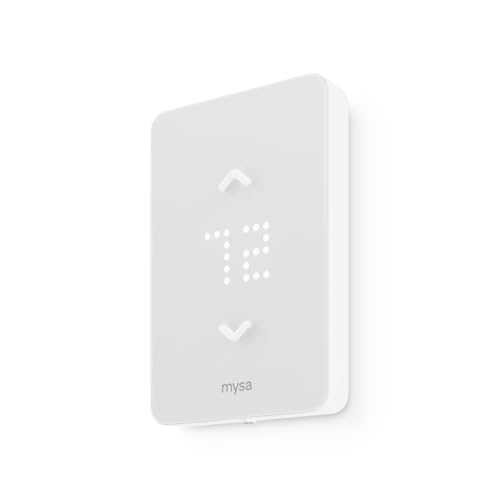
The Mysa Smart Thermostat LITE targets line voltage systems and supports 120V, 208V, and 240V installations. This Wi-Fi connected thermostat offers remote control via a free app, making scheduling, energy reports, and smart integrations accessible without subscription fees. It supports single-pole and double-pole configurations depending on the model, with a focus on baseboard heaters and similar electric heating installations. While it provides smart features, it operates as a line-voltage device that seeks to balance convenience with reliable heating control.
Smart home compatibility is a central benefit, enabling voice control through Alexa, Google Assistant, or HomeKit, and allowing automation routines to align heating with occupancy and daily patterns. The LITE version emphasizes user-friendly setup and ongoing control without ongoing costs, which can be appealing for households embracing smart, energy-conscious living.
Important considerations include wiring configuration and whether a single-pole or double-pole setup is required for specific heater types. The device’s cloud-based features can add convenience, but local control when Wi-Fi is unavailable should also be considered in critical spaces.
meross Matter Smart Thermostat for Electric Baseboard Heaters
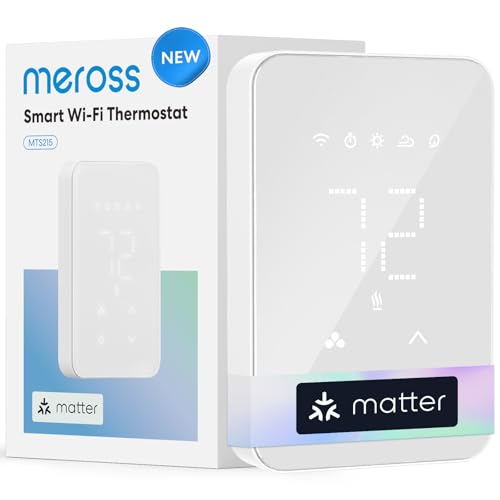
The meross Matter Smart Thermostat is designed for high-line voltage systems (120-240 VAC) powering electric baseboards, convectors, and fan-forced heaters. It emphasizes compatibility with major ecosystems—Alexa, HomeKit, Google, SmartThings—through Matter, enabling simultaneous control across platforms. The thermostat supports programmable scheduling via an app, with energy-saving features to optimize heating when occupants are away or asleep. It also provides voice control and remote operation, reflecting a modern, connected approach to room-by-room heating management.
Key considerations include Matter compatibility and the need for a stable Wi-Fi connection to unlock full remote scheduling and energy reporting. The meross device is well-suited for homes seeking cross-platform smart control and a centralized heating management experience. It’s important to verify compatibility with existing HVAC setups and ensure that the installation is appropriate for line-voltage circuits.
Aube Technologies TH115-A-120S 7-Day Programmable Line Voltage Thermostat

The TH115-A-120S from Aube Technologies offers a 7-day programmable line voltage solution designed for electric heating. It provides advanced temperature control to minimize temperature swings, enhancing comfort. An ON/STANDBY switch adds a layer of security by enabling thermostat shutdown at the end of the heating season. The device also features an on-screen heating power indicator, offering quick verification of active power usage. This model targets users who desire precise programming to reduce energy consumption while maintaining consistent comfort in larger or more variable spaces.
When selecting programmable options, consider whether a 7-day program meets your weekly routine, or if a more flexible schedule is required. The ON/STANDBY feature can be beneficial in seasonal climates or in buildings that experience extended periods of inactivity. Wiring compatibility and mounting on standard electrical boxes should be verified during installation.
Lux WIN100 Programmable 5-2 Day Thermostat
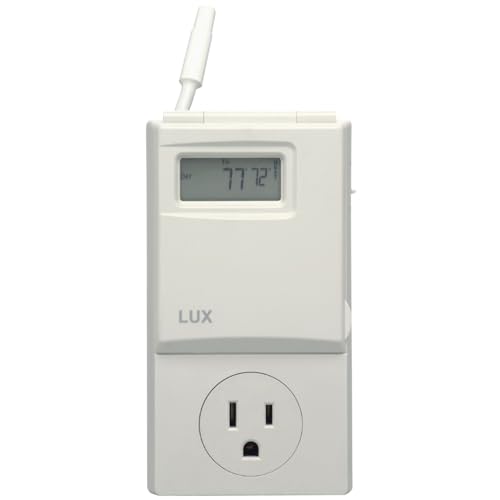
The Lux WIN100 is a plug-in, line-voltage thermostat suitable for 5-2 day programming. It features intuitive touch keys and a bright display for easy reading. Its plug-in design eliminates complex wiring, making it ideal for renters or those who want a straightforward installation. The 5-2 day scheduling allows weekday/weekend patterns to be set, helping to tailor heating to typical occupation cycles without requiring a professional installer.
Consider energy-saving potential against convenience: while the plug-in design simplifies setup, it may limit placement, and some users may prefer wall-mounted options for aesthetics or proximity to living spaces. Battery-free operation and a simple interface make it a practical option for basic programmable needs.
Honeywell Home RLV3120A1005 Digital Non-Programmable Thermostat

The RLV3120A1005 is a digital non-programmable thermostat designed for electric heat-only systems. It offers high-precision temperature control with an accuracy of ±0.27°F, which helps minimize temperature swings and improve comfort. The TRIAC switching provides silent operation, reducing audible noise commonly associated with baseboard heaters. This model is well-suited for users who want precise digital control without scheduling features and who prioritize quiet performance in spaces where noise sensitivity matters.
In terms of suitability, consider whether a fixed setpoint meets your needs or if a programmable option would yield additional savings. This thermostat excels in environments where simplicity and silent switching are valued, but its lack of scheduling means it won’t automate temperature changes based on time of day.
Buying Guide
- Voltage and compatibility: Verify whether your heating system operates at 120V, 208V, or 240V and choose a thermostat designed for that voltage. Some models support single-pole configurations, while others require double-pole wiring.
- Programmability vs. simplicity: Decide between non-programmable models for basic control and programmable or smart models for energy savings and automation.
- Installation considerations: Some units are plug-in or wall-mounted; others need direct wiring. Consider whether a DIY install is feasible or if professional wiring is advisable.
- Smart features: For wireless or cloud-connected options, check for compatibility with your preferred ecosystems (Alexa, Google, HomeKit, Matter) and whether subscriptions are required.
- Noise and comfort: If silent operation matters, look for soundproofing features or digital switching to minimize clicking sounds.
- Energy savings potential: Programs and energy reports help assess savings. Compare anticipated savings with climate, usage patterns, and space type to estimate payback.
- Future proofing: Consider if you want a thermostat that supports future smart home expansions or new standards like Matter for broader device compatibility.
The selection above covers a range of needs—from simple, reliable non-programmable models to feature-rich smart thermostats. When choosing, align the model’s capabilities with your heating system, daily schedule, and preferred level of control to achieve the best balance of comfort and efficiency.