Best Commercial Electric Baseboard Heaters for Efficient Room Heating
Choosing the right commercial electric baseboard heater involves evaluating heat output, installation simplicity, safety features, and durability. The following products span Cadet, Dayton, Comfort Zone, and KING lines, offering a mix of hydronic and electric baseboard options suited for small to large commercial spaces. This guide highlights key features, installation notes, and real-world considerations to help facilities managers and contractors select reliable, cost-effective heating solutions.
| Product | Brand | Type | Voltage | Common Use |
|---|---|---|---|---|
| Cadet F Series 48″ Electric Baseboard Heater (4F1000W) | Cadet | Electric | 240/208 | Small to medium rooms |
| Dayton Hydronic Electric Baseboard Heater (Commercial) | Dayton | Hydronic Electric | 208/240 | Commercial spaces |
| Cadet F Series 48″ Electric Baseboard Heater (4F1000-1W) | Cadet | Electric | 120 | Smaller rooms, retrofit |
| Dayton Hydronic Electric Baseboard Heater (Commercial, 208/240) | Dayton | Hydronic Electric | 208/240 | Commercial zones |
| Comfort Zone CZ600 750/1,500-Watt Electric Baseboard | Comfort Zone | Electric | 120/240 | Flexible residential/commercial use |
| KING 4K1210BW K Series Baseboard Heater | KING | Electric | 120 | Medium rooms |
| Cadet F Series 36″ Electric Baseboard Heater (3F750-1W) | Cadet | Electric | 120 | Smaller spaces |
Cadet F Series 48″ Electric Baseboard Heater
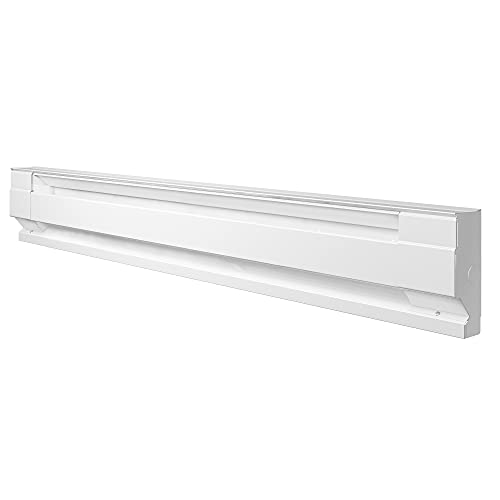
Cadet offers a robust electric baseboard model designed to deliver steady heat in commercial settings. With 1000/750 Watts at 240/208 Volts, this unit provides strong output for small to medium rooms. Its universal wiring and pre-punched knockouts at 1-inch intervals simplify floor or wall mounting, reducing installation time and costs. A high-temperature safety shutoff provides an additional layer of protection for occupied spaces, aligning with building codes for commercial environments.
Considerations: If your project requires easy retrofits or replacements, this Cadet unit’s plug-and-play compatibility helps minimize downtime. Note that thermostat selection is necessary for operation, and you’ll want to pair the heater with an appropriate control strategy to optimize energy use across zones. For spaces with tall ceilings or varying occupancy, pairing with a zone controller can improve comfort consistency.
Dayton Hydronic Electric Baseboard Heater (Commercial)

The Dayton hydronic baseboard heater combines a conventional housing with a hydronic heating element, intended for commercial applications. Hydronic designs circulate heated fluid through a sealed circuit, delivering steady warmth with relatively low surface temperatures. This can enhance safety in high-traffic commercial spaces and reduces the risk of hotspots. The unit operates at 208/240 VAC and is suitable for larger rooms or areas with longer heat load durations. Installation typically benefits from a dedicated mechanical space for circulating fluids and connection to a boiler or heat-transfer system.
Considerations: Hydronic units require plumbing integration and proper venting. They may offer better long-term efficiency in spaces with consistent occupancy, but initial install complexity is higher than electric-only bases. Regular maintenance of seals and circulating pumps extends life and reliability in commercial settings.
Cadet F Series 48″ Electric Baseboard Heater (4F1000-1W)
This Cadet model emphasizes fast heating with 1000 Watts at 120 Volts, making it ideal for smaller to mid-sized spaces seeking quick comfort. The unit is enclosed in protective steel and designed for durability and efficient heat transfer. Installation is straightforward thanks to pre-punched 1″ casing holes and universal wiring, with the expectation that a thermostat will be added for operation. Its compact 48-inch form factor allows flexible placement along walls to optimize heat distribution in compact commercial rooms.
Considerations: Ensure thermostat compatibility and consider the electrical service available in the venue. For rooms with variable occupancy, zone-based strategies paired with this heater can balance comfort with energy use. The absence of a thermostat in the package means an additional purchase may be necessary to complete the system.
KING 4K1210BW K Series Baseboard Heater

The KING K Series model provides a 4-foot, 1000W heater designed to be hard-wired for dependable operation in commercial spaces. It features an aluminum ribbon fin element for efficient heat transfer and a full-length safety cutout to protect occupants. This unit is designed for robust, continuous use and is suitable for zones where hard-wired installations are preferred for longevity and aesthetics. The 120V configuration is common for retrofit projects that avoid higher voltage infrastructure changes.
Considerations: Hard-wiring eliminates the need for a plug-in receptacle, which can improve safety and reliability in busy commercial areas. Ensure electrical panels are sized for the added load and that wiring follows local codes. Pair with a suitable thermostat or building automation system for zone-level control and energy savings.
Cadet F Series 36″ Electric Baseboard Heater (3F750-1W)
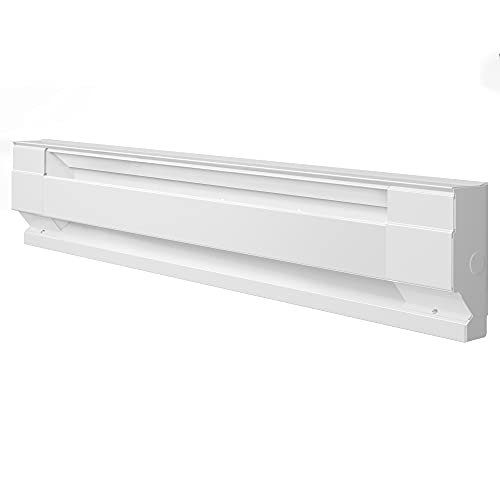
This Cadet 36-inch heater prioritizes compact footprint with 750/262 Watt outputs suitable for smaller offices or rooms. It uses 25-gauge steel housing and a powder-coated finish for durable performance in commercial environments. A junction box with ground and universal wiring facilitates straightforward installation, while the all-metal construction supports long-term reliability in high-traffic areas. Operators should plan for thermostat integration to modulate heat output according to occupancy and schedule.
Considerations: A thermostat is required for operation, so budget for controls as part of the project scope. The unit’s narrower width makes it ideal for hallway or room-perimeter heating where even heat distribution is needed without occupying significant wall space.
Buying Guide: Key Purchase Considerations for Commercial Electric Baseboard Heaters
- Heat output and room load: Calculate BTU requirements based on room size, ceiling height, insulation, and occupancy. Electric baseboards are typically selected for zone-based heating with modular wattage per foot.
- Electrical compatibility: Confirm voltage (120V vs 208/240V), available amperage, and wiring method (hard-wired vs plug-in). Some models require thermostats or controls to operate effectively.
- Hydronic vs electric: Hydronic systems circulate heated fluid and can offer even warmth with potentially lower surface temps, but require plumbing and maintenance. Electric baseboards are simpler to install and ideal for retrofit scenarios where plumbing is impractical.
- Installation and maintenance: Look for pre-punched knockouts, universal wiring, and durable casing. Consider access for future repairs and the availability of replacement parts.
- Controls and energy management: Pair heaters with thermostats, digital controls, or building management systems to optimize energy use and comfort across zones. Smart or programmable controls can reduce energy costs in unoccupied periods.
- Safety features: High-temperature shutoffs, stay-cool surfaces, and overheat protection are important in high-traffic commercial environments. Ensure all units meet local safety standards.
- Durability and warranty: Metal housings and sealed components extend life in busy spaces. Review manufacturer warranty terms and availability of service support for commercial installations.
- Aesthetics and space: Consider the unit’s size, finish, and mounting method to suit corridors, offices, or public areas where appearance matters as much as performance.
- Maintenance access: Choose models with accessible housings and straightforward filter-free designs to minimize downtime during routine checks and replacements.