Best Pure Sine Wave Inverter Generators for Home Backups
For reliable, clean power during outages or off-grid adventures, a pure sine wave inverter generator offers stable electricity safe for sensitive electronics. This guide highlights five top models—each delivering clean 120V power, portability, and efficient operation. Below you’ll find quick comparison highlights and in-depth product sections to help you choose the right unit for your needs. A concise buying guide at the end covers key considerations like wattage, fuel type, noise, and safety features.
| Product | Peak Watts | Running Watts | ||
|---|---|---|---|---|
| Oxseryn 4400-Watts | 4400 | 3400 | Gas | RV port, ECO mode |
| WEN DF680iX | 6800 | 5100 | Dual Fuel | CO watchdog |
| Genkins 4500 | 4500 | 3700 | Gas | Lightweight, pure sine |
| Westinghouse iGen8200 | 8200 | 6600–8200 | Gas/Propane/Natural Gas | Tri-fuel, CO sensor |
| WEN 56477i | 4800 | 4000 | Gas | Quiet, CO shutdown |
Oxseryn 4400-Watts Inverter Generator
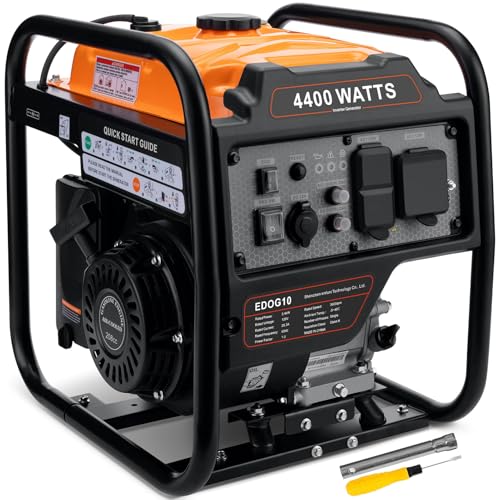
The Oxseryn model combines a robust 4400 peak watts with a 3400 running watts output, powered by a gas-fueled open-frame setup. It includes 2×120V AC outlets, a 30A RV outlet, and a 12V DC port, making it versatile for home backup and mobile use. A 2-gallon fuel tank supports up to roughly 14 hours of operation at a quarter load, aiding extended outages. Inverter technology provides stable, clean power with ECO mode to minimize fuel consumption. Features like low oil shutdown and cold-start tech enhance reliability in varied conditions. This unit is RV-ready and EPA-compliant, appealing to campers and homeowners alike.
WEN DF680iX Dual-Fuel Inverter Generator

The WEN DF680iX delivers substantial power with 6800 surge watts and 5100 rated watts on gasoline, plus a propane option that yields 6000 surge and 4500 running watts. This dual-fuel capability adds flexibility during fuel shortages or campsite power needs. A noteworthy feature is its bonded-neutral 240V configuration suitable for low-power Level 2 charging for EVs, integrating with modern households or hybrid setups. The built-in CO watchdog sensor enhances safety by automatically shutting down on dangerous CO levels, making it a strong choice for backup power and vehicle support in one unit.
Genkins 4500 Watt Open Frame Inverter

The Genkins model offers 4500 peak watts and 3700 running watts from a compact 223cc engine. It is marketed as lighter than traditional GK4500iF while providing similar power output, which translates to easier transport and storage. It features one 120V RV-ready TT-30R outlet and a 120V NEMA 5-20R outlet, both delivering pure sine wave electricity with low total harmonic distortion (THD). This makes it suitable for sensitive devices like laptops and mobile devices, while its lighter frame improves portability for outdoor use or emergency power on the go.
Westinghouse iGen8200 Tri-Fuel Inverter

The Westinghouse iGen8200 offers three fuel options—gas, propane, and natural gas—providing flexible power at 6600 running and 8200 peak watts on gasoline. Its propane and natural gas configurations expand continuity when gasoline is scarce. This unit includes a transfer switch-ready output to support home backup with a 50A circuit and a parallel-ready design for increased power. Noise and fuel efficiency are balanced by inverter technology, ensuring cooler operation with less fuel consumption. A CO sensor adds a safety layer by monitoring air quality during operation.
WEN 56477i Quiet 4800-Watt Inverter

The WEN 56477i combines a 4800 surge watts and 4000 running watts with a focus on quiet operation and simplicity. It provides clean, stable power suitable for charging smartphones, tablets, and laptops. The integrated CO Shutdown Sensor adds safety for indoor or camp use. While not the largest model, its balance of power, portability (reliable under 100 pounds), and quiet performance makes it a practical choice for RVs, small homes, or remote work setups where noise and fuel efficiency matter.
WEN 3600-Watt Portable Inverter Generator

The WEN 3600-Watt model delivers up to 3600 surge watts and 2900 running watts with a compact, ultralight profile. Although lighter and smaller than some rivals, it still provides clean power suitable for sensitive electronics. The unit includes RV-ready outlets and a straightforward design, targeting campers or light backup scenarios where portability is a priority and power demands are moderate.
ERAYAK 2400W Portable Inverter Generator

The ERAYAK 2400W model emphasizes quiet operation and portability for camping, emergencies, and small power backups. It provides 2400W peak and 1800W running power with ECO mode to optimize efficiency. Weighing around 42 pounds, it is designed for easy transport and storage. Its EPA certification supports compliance with environmental standards, while the compact size makes it suitable for RV use, small cabins, or portable workstations.
Buying Guide
- Wattage needs: Determine both running watts (sustained load) and peak watts (surge capacity). Choose a model with a comfortable margin above your typical load to avoid overheating or overload.
- Fuel type and availability: Gasoline, propane, natural gas, and dual-fuel options affect convenience and refueling flexibility. Consider available fuel at your location and the unit’s runtime per tank.
- Inverter tech and THD: Pure sine wave inverters deliver cleaner power with low THD, safe for laptops, TVs, and sensitive electronics. Higher-quality units typically offer stability at various loads.
- Safety features: Look for low oil shutdown, CO sensors or shutoffs, and automatic idle control. CO monitoring is particularly important for enclosed spaces.
- Noise and portability: Lower decibel ratings improve comfort in campsites and around the home. Weight and handles should match your transport needs—some models are backpack-light; others are heavier but more powerful.
- Outlets and compatibility: Ensure the unit has the right outlets (120V, RV TT-30R, 14-50R for home backup). Consider parallel capability if you anticipate needing extra power by linking units.
- EPA and compliance: EPA-compliant models ensure adherence to environmental standards and may influence long-term usage in regulated areas.
- Safety vs. performance trade-offs: Some high-wower units may prioritize performance over ultra-quiet operation, while smaller units prioritize portability and quietness.
- Maintenance and support: Look for readily available parts, easy oil changes, and reputable brand support for troubleshooting and service.
Choosing a pure sine wave inverter generator depends on your power profile, space, and how you plan to use the unit. If you need family-level backup with home appliances and some RV functionality, a mid-range inverter with dual fuel or multi-fuel capabilities may be ideal. For camping or light office setups, a compact model with quiet operation and essential safety features could be the best fit. The models listed above each offer a balance of power, portability, and reliability to cover common American power needs.